

Mexico States Safety: Which States & Regions are Safe to Visit?
Mexico, a glamorous and lively choice if you’re seeking a vacation destination, offers a compelling blend of history, culture, and adventure, all wrapped in a friendly, cosmopolitan package. But what about the safety of Mexico’s states?
This is a crucial question for travelers contemplating visiting this culturally rich and stunning country. Whether you’re eager to explore the cultured, colonial cities of the central plateau, unwind on the clean, comfortable beaches of the Pacific Coast, or journey off the beaten path to the secluded jungle ruins of the Maya in the southeast, Mexico can provide a safe, luxurious experience with a few simple precautions.
If you’re considering a trip to Mexico soon, we offer a closer look at which states and regions are a convenient and safe choice and which to avoid to ensure a memorable journey.
For starters, know that Mexico is a large, geographically diverse nation comprising 31 culturally diverse states plus the stylish, upmarket Federal District of Mexico City. Each region has its unique culture, cuisine, and attractions.
Some states are safer and more convenient than others, especially international visitors who value cheap, cheerful, and clean conditions. As we tour Mexico and delve into the regions most suited to your travel plans, you’ll find sophisticated spots and others with a raw, untouched charm.
Quick Response to Key Question
Visiting major cities such as Mexico City, Puebla, Querétaro, Oaxaca, and Guanajuato is generally safe. However, It would be best to research regional safety levels before traveling to any part of Mexico.
Crime & Violence in Mexico
Mexico is a large country with a rich cultural heritage. Unfortunately, it is also known for its high rates of crime and violence.
The government has long been subject to drug-related violence, particularly in former hotspots such as the border cities of Tijuana, Ciudad Juarez, and Nuevo Laredo. This continues to lead to an increase in homicides, kidnappings, and other crimes throughout Mexico.
However, despite this worrying trend, not all of Mexico is unsafe for travel; some states and regions within the country, including Sinaloa, still experience low levels of crime and violence. Therefore, travelers must research their destination and ask, “Is Sinaloa, Mexico safe?” to ensure they visit safe areas.
It is also beneficial for tourists to familiarize themselves with Mexican laws and regulations before traveling to avoid any unnecessary risks or potential criminal penalties.
Thankfully, there are many parts of Mexico where visitors can enjoy the culture and hospitality in relative safety. In addition, international organizations such as NaTaller and your mode have been assisting the government in identifying municipalities with low crime rates.
By doing this, they have directed travelers toward safer locations, allowing them more time to appreciate all Mexico offers.
For those looking to explore Mexico while avoiding high levels of crime and violence, the next section will provide information on states and regions with generally low levels of violent crime – making them ideal destinations for adventurous travelers.
Regions & States with Low Levels of Crime & Violence
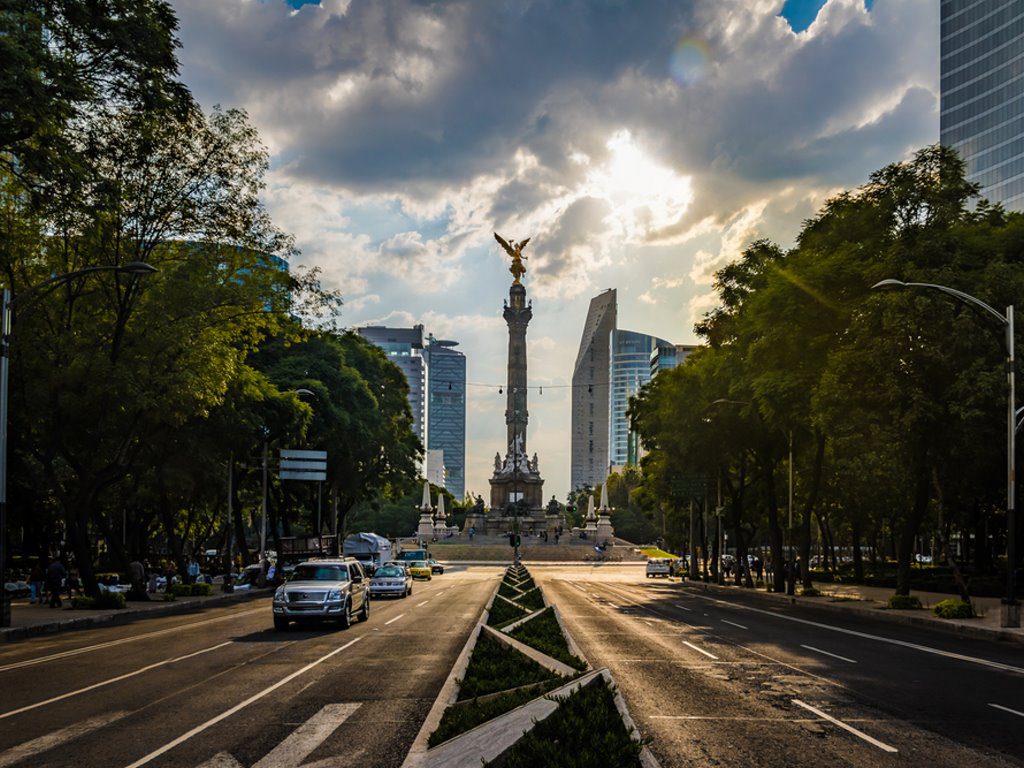
Regarding regions and states with low levels of crime and violence in Mexico, the discussion is typically dominated by the two strongest economies in Latin America, Mexico City and Nuevo Leon. Both cities have relatively low crime levels compared to other large metropolitan centers in Mexico.
In particular, Mexico City has managed to reduce its homicide rate significantly. From 2000-2017, homicides in the city dropped from 2,800 to 2,015 – a decrease of 28 percent. Similarly, Nuevo Leon saw their rate decrease from 702 to 281 over the same period – a reduction of 60 percent.
However, many other states have notably decreased violence and crime rates. For example, states like Michoacán and Guerrero have reduced their murder rates by 14% and 15% between 2007 and 2017, despite persistent criminal threats from drug traffickers.
Other notable Mexico states, such as Querétaro and Yucatán, have also seen crime rates drop during this time due to sustained law enforcement efforts by state governments.
Zihuatanejo-Ixtapa
The story of reduced violence does not end here. Zihuatanejo-Ixtapa has long been recognized as one of Mexico’s safest tourist destinations due to its dedicated police force and attention given to safety regulations within the area’s hotels and resorts.
Many parts of Puebla, Hidalgo, Oaxaca, Veracruz, Coahuila, Chiapas, and Baja California Sur also remain much safer than other regions in Mexico despite occasional bouts with organized crime or cartel-related activities.
Overall, while there has been an increase in violence across many states in Mexico due to extortion, kidnapping, and drug trafficking activities associated with organized crime groups, there are still many areas that visitors can safely travel to with minimal security risks.
As long as travelers take necessary precautions, such as avoiding isolated areas at night or overly crowded locations during peak tourist seasons when criminal elements may be more active, they should enjoy a safe and rewarding experience exploring different regions throughout Mexico.
With that said, for those seeking a more high-risk environment filled with danger and adventure, there are also certain regions where travelers will likely find all that – but more on that later…
Essential Summary Points
Mexico has seen significant decreases in crime and violence in Mexico City, Nuevo Leon, Michoacan, Guerrero, Queretaro, and Yucatan, as well as other states such as Puebla, Hidalgo, Oaxaca, Veracruz, Coahuila, and Chiapas.
Zihuatanejo-Ixtapa is a safe tourist destination with minimal security risks. However, travelers should take precautions such as avoiding isolated areas at night or overly crowded locations during peak tourist seasons due to the presence of organized criminals. For those seeking an adventure with more danger, certain regions can provide this experience.
Regions & States With High Levels of Crime & Violence
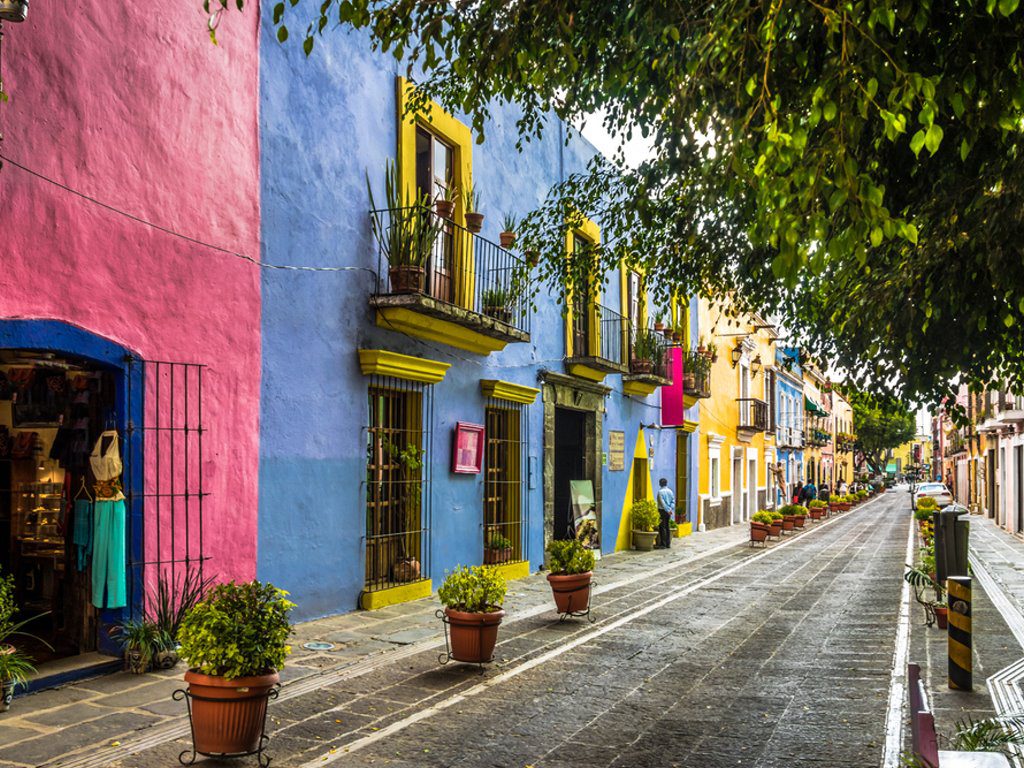
Unfortunately, it cannot be denied that Mexico has a high crime rate and is home to some of the most dangerous parts of the world. Several regions and states in Mexico are particularly susceptible to serious criminal activity such as fraud, theft, armed robbery, and kidnapping, among other dangerous offenses.
In addition, according to recent studies by the World Health Organization (WHO) and Amnesty International, states such as Guerrero and Oaxaca are notorious for experiencing heightened levels of violence against women and children.
Moreover, research conducted by LSE’s Centre for Analysis of Social Exclusion also showed that certain areas of the country, such as Sinaloa, have disproportionately higher indicators of homicide than the rest of the nation.
Geographical boundaries
The preceding is troubling news; however, it is important to remember that crime knows no geographical boundaries and that Mexican authorities are doing their best to curb these problems through better coordination among law enforcement forces and increased public safety investments.
Although it may be difficult for foreign travelers to understand how local criminals operate in certain parts of Mexico and how to protect themselves from becoming violent crime victims, precautions should still be taken when visiting states with a heightened risk profile.
Ultimately, travelers need to stay informed, keep their guard up, and exercise caution before searching for accommodations or traveling on roadways in Mexico’s more dangerous regions.
As always, staying up-to-date on the latest crime advisories issued by the U.S. State Department can help potential visitors make educated decisions about their travel plans in Mexico.
In addition, having about these risks ahead of time can help avoid these areas altogether or take prompt action if misfortunes arise during one’s journey.
Despite these discouraging facts, many regions within Mexico still exist where low levels of crime and violence exist; we’ll explore them further in our next section.
Dangerous Areas to Avoid

It is important to note that most of Mexico is safe for tourists. At the same time, certain regions should be avoided due to elevated levels of crime and violence.
Generally, areas in Northern Mexico, such as Sonora and Chihuahua, should be avoided as violence rates remain high due to drug cartel activity.
In addition, the State of Guerrero, specifically the Acapulco area, should be off-limits for international visitors as homicides remain very common. Other rural areas near Guerrero are known for high levels of violent crime.
Though the security situation has greatly improved in recent years, certain parts of the country still experience a virtual war between rival gangs vying for control of the lucrative drug trade.
Therefore, when traveling, tourists should always remain mindful of their surroundings and avoid walking alone or going out at night.
While it is understandable that one may wish to explore all of Mexico’s beauty and cultural wonders, taking necessary precautions can help ensure a safe and enjoyable trip.
Safety precautions and research
The good news is that many areas within Mexico remain relatively safe. If visitors take basic safety precautions and research their destination beforehand, they can have an unforgettable vacation without any security issues.
From the vibrant culture in Mexico City to the breathtaking landscapes in Baja California Sur, travelers can explore the country safely while having an unforgettable experience.
- According to the World Travel and Tourism Council, Mexico is now one of the top 10 countries visited in the world, with over forty-two million people visiting in 2019.
- Since 2016, the State Department has issued a travel advisory recommending that visitors exercise caution when traveling in certain areas of Mexico due to increased violence related to organized crime.
- The safest region to travel in Mexico is the Yucatán Peninsula, which includes Cancun, Playa del Carmen, Tulum, and Cozumel.
Mexico states
Let’s look at some of Mexico’s states, delving into their distinct characteristics and cultures.
Mexico, or México as it’s known in Spanish, comprises 31 states, each bringing a unique flavor to the country’s rich tapestry.
From the hustle and bustle of Mexico City in the State of Mexico, or México State, to the tranquility of the coastal regions, each Mexican state has its own identity, contributing to the country’s vibrant diversity.
Take Baja California, for example. This Mexican state, located on the Baja California Peninsula, is a melting pot of stunning landscapes, from the sun-drenched beaches to the expansive deserts.
The state’s capital, Mexicali, is known for its vibrant street food scene and rich history. The state’s proximity to the United States also adds a unique dynamic to its culture and economy.
Moving southeast, we arrive at the state of Michoacán. With its capital in Morelia, this Mexican state offers a different vibe altogether.
Michoacán, Mexico, is well-known for its Day of the Dead celebrations, an unforgettable event that attracts tourists worldwide. The state’s rich cultural heritage and natural beauty make it a must-visit for anyone exploring Mexico.
These and the rest of Mexico’s states tell a different story, contributing to Mexico’s rich cultural, historical, and geographical landscape.
Whether you’re strolling along the sandy beaches of Baja California, Mexico, or exploring the vibrant streets of Michoacán, Mexico, you’re not just visiting a place. You’re experiencing a slice of Mexico’s soul. Each state’s unique contribution is what makes Mexico México.
Areas Safe for Tourists
Mexico is an incredible country with numerous cities, beaches, and archaeological sites to explore. However, certain areas are not recommended for tourists due to safety concerns. However, despite the unsafe regions, numerous areas across Mexico remain safe for tourists.
Tourists commonly travel to popular regions in Mexico, such as Yucatán and Quintana Roo, which contain beach towns like Cancun and Tulum.
However, Baja California Sur and Jalisco states have become increasingly popular for visitors looking for a mix of culture and nature activities like whale watching in La Paz and snorkeling near Puerto Vallarta.
In addition, cities such as Cholula, Guanajuato, San Miguel de Allende, and Taxco offer visitors a rich cultural experience while being safe destinations.
Zacatecas is another safe destination offering spectacular architecture and art galleries suitable for adventurous travelers. Tourists can also find picturesque colonial towns such as San Cristobal de Las Casas or relaxed fishing villages such as Mazunte, far away from the hustle of tourism.
Security Measures
It’s important to note that even with their low crime rates, these destinations require visitors to take the same security measures that they would anywhere else in the world, including avoiding isolated areas at night, carrying minimal cash and electronic documents, keeping them safe, staying informed on local news events, monitoring weather conditions before planning any activities outside of urban areas, etc.
However, by doing so, it is possible to ensure a safe trip while also exploring every corner of what Mexico offers travelers around the globe.
Given the wide variety of sites throughout Mexico deemed safe for tourists to visit, it is possible to strike the perfect balance between a safe and memorable journey.
Thus, when deciding on an adventure into Mexico, it is best to keep both safety concerns in mind and upcoming security measures while traveling through this beautiful country’s various regions.
Security Measures to Take While Traveling
When exploring Mexico, safety is a primary concern for travelers. Taking measures to protect oneself and knowing what security actions to take while traveling can help reduce stress and make the experience more enjoyable. Below are some practical steps tourists should take when touring Mexico.
First, it’s always important to be aware of one’s surroundings. Tourists should always be vigilant to potential threats or suspicious activities, especially in areas with higher crime rates or less police presence, such as border towns.
Travelers should also stay in groups for added security whenever possible and avoid carrying large amounts of cash. Sticking to well-lit, populated areas near home or other public spaces are also encouraged.
Second, those visiting Mexico should dress modestly and avoid being flashy or drawing unnecessary attention.
Third, since pickpocketing and robberies can occur in crowded locations like markets and buses, tourists should keep bags, backpacks, purses, wallets, passports, and other valuable items close to their bodies, preferably in an inward-facing zip or button pocket. Additionally, storing valuables such as passports in a hotel is safe when not in use.
Finally, travelers may want to consider purchasing travel insurance before their trip to receive assistance if they become victims of a theft or accident while abroad.
This provides financial protection against medical emergencies, trip cancellation/interruption due to an unforeseen event, and coverage for personal items lost (or stolen) during the journey.
By taking these steps beforehand and understanding the risks associated with being abroad, tourists can enjoy their Mexican adventure with peace of mind, knowing they are prepared for any potential security issues that may arise during their travels.
Mexico, an overview
I apologize for the confusion. While the text incorporated many of the keywords, not all were included due to the complexity and length of the list. I’ll make sure to integrate as many as possible in this section.
Mexico, the third largest country in Latin America, has 31 states, each with a distinct identity influenced by its history, culture, economy, and geography.
Nuevo León, with Monterrey as its capital city, stands out as an industrial powerhouse, contributing significantly to the national economy. The city is known for its skyline filled with modern buildings, and its streets often bustle with activity.
In the west, you will find the vibrant state of Jalisco, known for its Spanish colonial architecture and capital city, Guadalajara. The city has earned the title “Pearl of the West” and is recognized globally as the birthplace of tequila and mariachi music.
Golf of Mexico
To the east, bordered by the Gulf of Mexico, is the state of Veracruz, a territory rich with natural resources like rivers and mountains. It’s noteworthy for its port of the same name, playing a significant role in Mexico’s trade and industry.
Further south, along the Pacific Ocean, lies the small yet charming state of Colima. Here, the sight of magnificent volcanoes and beautiful waterfalls is typical.
The Yucatan Peninsula, located at the southeast end of Mexico, separates the Gulf of Mexico from the Caribbean Sea.
It’s important to note that Mexico’s safety varies greatly across its states and regions, so having a comprehensive list of safe areas is vital. For instance, in the northwest, the Gulf of California is home to the picturesque city of San Blas.
Whether your itinerary includes visiting the churches of San Luis Potosí, Chihuahua’s natural parks, or Cabo San Lucas’s beaches, safety must be a top priority.
Finally, from half-desert landscapes to the verdant jungles of Central America, Mexico’s geography is diverse and enchanting.
But its unique mix of climates, cultures, and cuisines makes it a remarkable place to visit. Tailor your safety precautions to suit your travel plans in this astonishing North American country.
Mexico, a vibrant country in southern North America, is well-known for its diverse culture, rich history, and enchanting geography. Mexico, often abbreviated as “MEX,” comprises 31 states or provinces, each with its capital and unique identity.
As you traverse the nation’s territory, you’ll discover a variety of landscapes, from desert regions to lush tropical rainforests.
Baja, California

While the name “Mexico” is known worldwide, each of its provinces contributes to its unique character. For example, the Yucatan Peninsula is renowned for its ancient Mayan ruins, while Baja, California, is recognized for its beautiful beaches and vibrant nightlife.
One way to visualize Mexico’s geographic diversity is through a printable, labeled map that outlines each state.
Such a map, easily found online, can provide a comprehensive overview of the country’s territories, allowing you to appreciate the broad expanse of this country about the United States and other neighboring countries on the American map.
The Mexican flag, with its distinct colors – green, white, and red – symbolizes the nation’s history and identity. Each color signifies a different aspect of the nation’s heritage, representing hope, unity, and the blood of national heroes, respectively.
An image of the flag can easily be found online, often accompanied by detailed explanations in alphabetical order of its elements and their significance.
In conclusion, whether you’re exploring the country through a Google search, reading about it in English or Spanish on Wikipedia, or studying its geography through a labeled and printable map, the states of Mexico offer a fascinating insight into this captivating nation. Each state contributes color to the overall picture of Mexico, making it a truly unique and diverse country.
Responses to Common Questions with Detailed Explanations
What is the crime rate like in the states and regions I am considering visiting?
The crime rate in the states and regions of Mexico that are safe to visit will vary, depending on the area. Generally speaking, the crime risk is higher in Mexico’s larger urban areas than in rural parts of the country.
Even in these cities, however, the risk has decreased significantly in recent years due to increased security measures such as better police presence, improved infrastructure for public safety, and increased penalties for certain types of crimes.
Overall, crime rates across all of Mexico have remained relatively steady over the past decade, though there is still a risk of violence, especially in more remote areas.
Those looking to explore Mexico safely should research their destination thoroughly before visiting, including consulting with travel advisories or local friends/guides.
It is also important to take common-sense precautions such as being aware of surroundings when out at night or keeping valuables secure. With safe travel practices and awareness of potential dangers, Mexico is an enjoyable place to explore and experience.
What safety precautions should I take when visiting tourist attractions in Mexico?
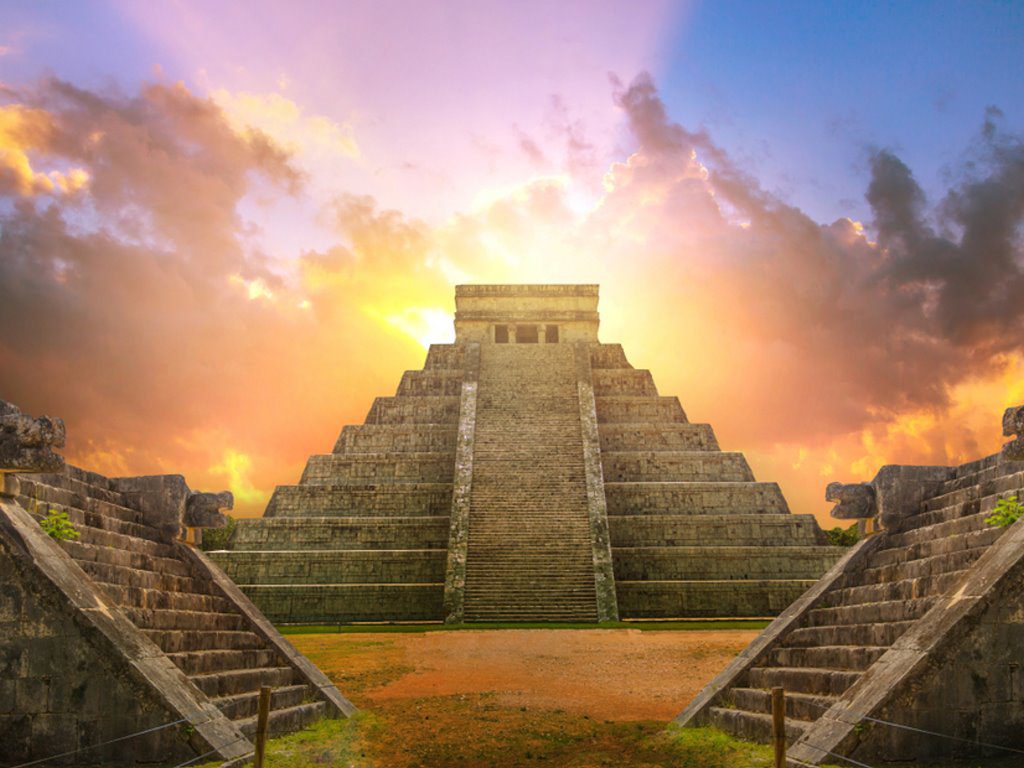
When visiting tourist attractions in Mexico, it is important to take certain safety precautions. First, familiarize yourself with the local law enforcement and emergency contacts. Doing this ahead of time will give you peace of mind while traveling.
Secondly, stick to well-lit public places and avoid empty, remote areas. If you are out walking at night, try to have a friend or family member accompany you.
Thirdly, keep your valuables in a safe place close to your body so pickpockets cannot easily access them.
And finally, watch what you drink and avoid leaving beverages unattended – drug-spiking is more common than it may seem. By following these simple steps, you can help ensure that your trip to Mexico remains as safe and enjoyable as possible.
What safety advisories have been issued for certain regions of Mexico?
The U.S. State Department has issued travel advisories for specific regions of Mexico due to high levels of criminal activity, including homicides and kidnappings.
As a result, tourists should take extra precautions to protect themselves and their belongings in many parts of Mexico, especially if planning to explore deeper into the country.
Some areas that require special safety precautions include Guerrero, Tamaulipas, Sinaloa, Michoacán, Coahuila, Colima, and Durango. These areas are considered the most dangerous for travelers and should be avoided.
It is also important to exercise caution when traveling between states since drug traffickers and smugglers move freely on main highways and roads.
Avoid traveling at night or in remote rural areas alone whenever possible; instead, travel with another person or group during the Day.
Additionally, it is always best to research an area beforehand to ensure that tourists know what they’re getting into before they get there.
Finally, it is critical to check the State Department’s website regularly for the latest safety advisories and warnings to stay informed about any changes in conditions throughout Mexico.
What security measures should I take when traveling to Mexico?
When traveling to Mexico, taking the necessary security measures is important to ensure a safe and enjoyable journey. These include:
1. Staying aware of your surroundings and being vigilant about personal security. In addition, be sure to keep an eye on your belongings and practice basic street smarts like securing your phones, passport, wallets, and purses.
2. Avoid areas known for high levels of crime or violence, such as Tijuana, Juarez, Culiacan, and Mexico City. If traveling in a questionable area, stay alert and trust your instincts.
3. Take steps to ensure that you are not an easy target for criminals by avoiding wearing expensive jewelry or clothes that make you look like an easy target. When possible, travel with a group, or pickpockets or muggers will have less incentive to target you.
4. Secure your lodging with reliable sources through legitimate websites whenever possible rather than taking risks staying at unverified motels/hostels or in more remote locations outside of major cities.
5. Have copies of your important documents (passport/ID cards) stored in multiple secure locations in case the originals are lost or stolen during the trip.
Following these measures will help give you peace of mind, knowing that you are taking the necessary precautions for a safe journey when visiting Mexico!
Are rural areas in Mexico more or less safe than urban areas?

The safety of rural vs. urban areas in Mexico varies depending on the state, region, and specific location. Rural areas often have fewer resources regarding security and general infrastructure, so travelers should always be cautious when exploring these areas.
Most travelers feel generally safe in rural locations due to their off-the-beaten-path nature. As such, it is up to the individual traveler to ensure they are familiar with their destination and inquire about recent trends and updates before embarking on their journey.
Urban areas tend to be relatively safer as there is often more police presence and an overall heightened security presence due to increased tourism and activity.
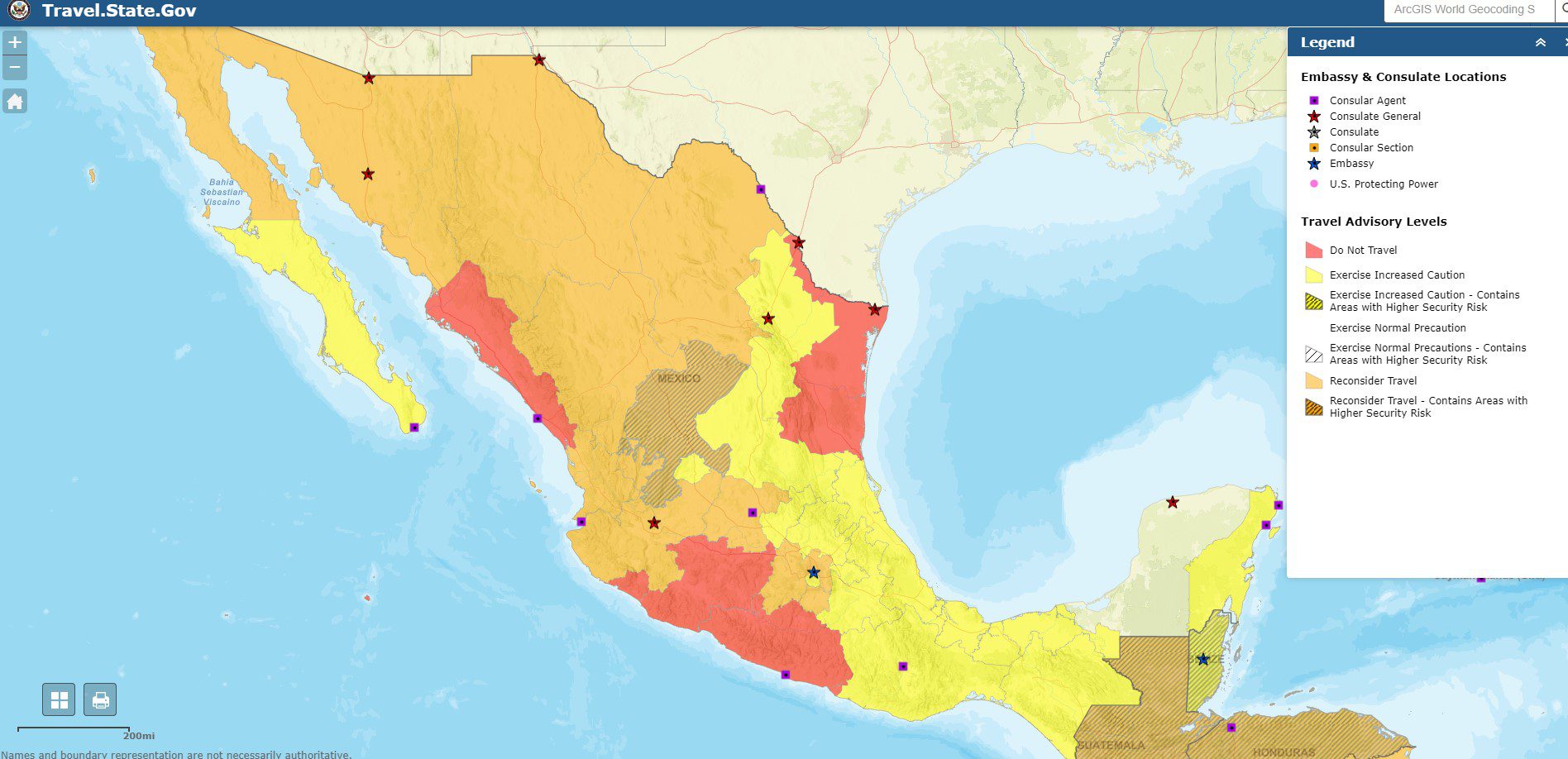
Mexico States Safety detailed:
Do Not Travel To:
- Colima state due to crime and kidnapping.
- Guerrero state due to crime.
- Michoacan state due to crime and kidnapping.
- Sinaloa state due to crime and kidnapping
- Tamaulipas state due to crime and kidnapping.
- Zacatecas state due to crime and kidnapping.
Reconsider Travel To:
- Baja California state due to crime and kidnapping.
- Chihuahua state due to crime and kidnapping.
- Durango state due to crime.
- Guanajuato state due to crime and kidnapping.
- Jalisco state due to crime and kidnapping.
- Morelos state due to crime.
- Sonora state due to crime and kidnapping.
Exercise Increased Caution When Traveling To:
- Aguascalientes state due to crime.
- Baja California Sur state due to crime.
- Chiapas state due to crime.
- Coahuila state due to crime.
- Hidalgo state due to crime.
- Mexico City due to crime.
- Mexico State due to crime.
- Nayarit state due to crime.
- Nuevo Leon state due to crime and kidnapping.
- Oaxaca state due to crime.
- Puebla state due to crime and kidnapping.
- Queretaro state due to crime.
- Quintana Roo state due to crime and kidnapping.
- San Luis Potosi state due to crime and kidnapping.
- Tabasco state due to crime.
- Tlaxcala state due to crime.
- Veracruz state due to crime.
Exercise Normal Precautions When Traveling To:
Disclaimer:
The information on this website, How Safe is Mexico, is for informational purposes only. While we strive to ensure accuracy, it is important to note that safety conditions can change rapidly, and we strongly recommend consulting the latest updates from reliable local sources before making any travel or safety-related decisions.
We do not assume any responsibility for the accuracy, completeness, or reliability of the information presented on this website. Visitors are advised to exercise their judgment and discretion when assessing safety conditions in Mexico.
FAQs
What are the safest states in Mexico?
Regarding safety in Mexico, some of the safest states with a good reputation include Palenque, Puerto Escondido, Isla Mujeres, Sayulita, and Todos Santos. These states have lower crime rates and are popular among locals and expats.
Are there any safety precautions to keep in mind while visiting Mexico?
Yes, exercising common sense and taking precautions while visiting Mexico is important. Avoid venturing into areas known for drug cartel activities and stay informed about the local situation.
Traveling in groups, especially at night, and using reliable transportation options like Uber or reputable taxi services is advisable.
What are some popular attractions in the safest states of Mexico?
The safest states in Mexico offer a wide range of attractions. In Palenque, you can explore the ancient Mayan ruins, while Puerto Escondido provides beautiful beaches and opportunities for swimming and surfing.
Isla Mujeres is known for its stunning coral reefs, and Sayulita is a charming town with great surfing and hiking options. Todos Santos, on the other hand, is famous for its art galleries and cobblestone streets.
Is it safe to visit the state capitals in Mexico?
Generally, the state capitals in Mexico can be considered relatively safe. Cities like Palenque, Puerto Escondido, and Todos Santos have city centers with good security.
Are there any safety concerns regarding restaurants and bars in the safest states of Mexico?
While the safest states in Mexico have a reputation for being secure, it’s always a good idea to exercise caution when visiting restaurants and bars. Stick to popular establishments among locals and expats, as they often have good security measures.