
Where Is Guadalupe: Where Is This Hidden Gem Located?
When you think about Guadalupe, you might wonder where exactly it’s located and what makes it unique. Nestled in central Nuevo León state, northeastern Mexico, this city lies along the Santa Catarina River at an elevation of 672 feet. With a warm climate that bolsters its agricultural significance, Guadalupe plays a pivotal role in the region’s economy. But there’s more to this city than just geography and climate. Its rich history, influenced by migration and economic opportunities, has created a vibrant socio-economic landscape that’s worth exploring. Curious about what else Guadalupe has to offer?
Key Takeaways
- Guadalupe is located in central Nuevo León state, northeastern Mexico.
- It is near the city of Monterrey.
- The town is situated by the Santa Catarina River.
- Guadalupe is at an elevation of 672 feet.
- Its proximity to Monterrey ensures good connectivity for economic activities.
Location and Geography
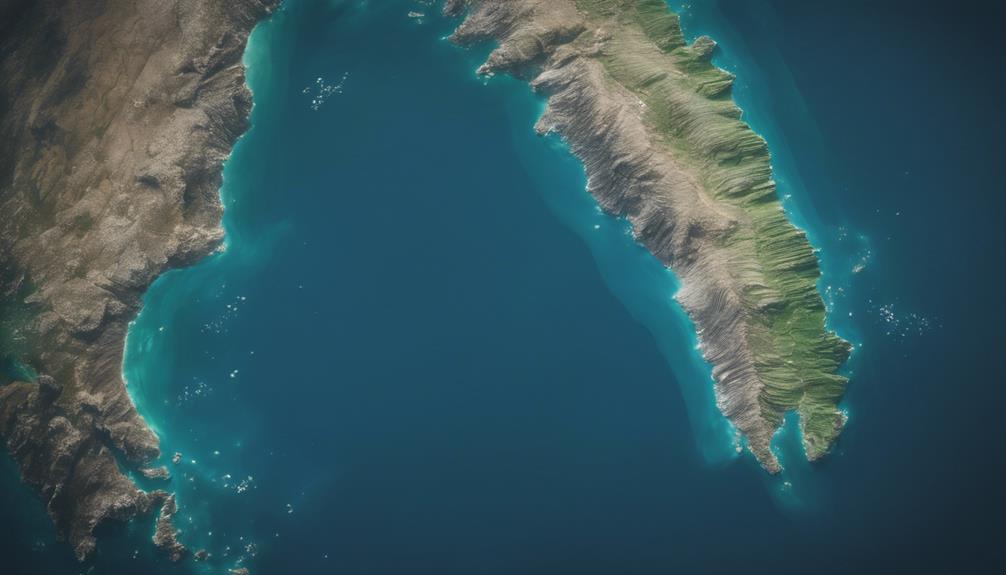
Guadalupe is located in central Nuevo León state, northeastern Mexico, just 3 miles east of Monterrey. Nestled on the banks of the Santa Catarina River, Guadalupe sits at an elevation of 672 feet (205 meters) above sea level. While you won’t find a picturesque island or the Caribbean Sea here, the city’s geography offers its unique charm and advantages.
Guadalupe may not be a volcanic island with a tropical climate, but its warm climate is conducive to agriculture. Crops like corn (maize) and chickpeas thrive in this environment, making the city an agricultural hub. Though it lacks the dramatic landscapes of a National Park or the highest peaks found in some biosphere reserves, Guadalupe’s proximity to Monterrey ensures it’s well-connected by highway, railroad, and air, facilitating economic activities.
The urban development of Guadalupe is influenced by migration patterns and economic opportunities. With a population that decreased from 673,616 in 2010 to 635,862 in 2020, the city continues to evolve. Living in Guadalupe means enjoying a warm climate and the benefits of being closely linked to a major metropolitan area while still retaining a distinct local character.
History and Background
As you explore Guadalupe‘s present-day charm, it’s important to appreciate its rich historical background that dates back to its establishment in the heart of Nuevo León state. This city, nestled in northeastern Mexico, has journeyed through time, witnessing profound agricultural and industrial developments that have sculpted its unique cultural identity and societal structure.
Initially, Guadalupe thrived as an agricultural hub, with fertile lands that supported various crops and livestock. These agricultural roots laid the foundation for the city’s early economy and societal framework. Over time, the city’s proximity to Monterrey, the state capital, facilitated its transformation into an industrial powerhouse. Factories and businesses sprouted, driving economic growth and urbanization.
Guadalupe’s history is deeply intertwined with that of Nuevo León state and Monterrey. Historical events, including migration patterns and economic shifts, have played pivotal roles in shaping the city’s socio-economic landscape. The industrial boom attracted a diverse population, influencing the city’s demographic and cultural fabric.
Understanding Guadalupe’s history offers valuable insights into its evolution from a modest agricultural town to a significant industrial city. This historical backdrop enriches your appreciation of Guadalupe’s vibrant cultural heritage and dynamic societal structure, marking it as a pivotal city in the region.
Related Article: Exploring The Cañon Del Sumidero: Nature’s Grandeur Revealed
Flora and Fauna

You’ll find an incredible diversity of flora and fauna thriving on Guadalupe Island, thanks to its tropical climate and fertile volcanic soils. The lush vegetation here is supported by abundant rainfall, creating a vibrant ecosystem. However, historical hunting practices have impacted this biodiversity, leading to a reduction in some species.
The island’s fauna includes a variety of animals. You’ll spot raccoons, agoutis, mongooses, and numerous bird species, each adding to the island’s rich tapestry of life. The surrounding waters are teeming with marine life, featuring lobsters, tarpons, snappers, and other fascinating marine species.
The flora on Guadalupe Island is equally impressive, especially in the extensive forests of Basse-Terre. Here, you’ll encounter hardwoods, chestnut trees, and other valuable plant species. The fertile volcanic soils provide the perfect foundation for these plants to thrive.
To give you a snapshot of Guadalupe Island’s biodiversity:
- Fauna: Raccoons, agoutis, mongooses, various bird species.
- Marine life: Lobsters, tarpons, snappers.
- Flora: Hardwoods, chestnut trees, other valuable plants.
Understanding the island’s flora and fauna gives you a glimpse into the natural beauty that defines Guadalupe.
Climate and Weather
With its tropical climate, the island enjoys average coastal temperatures ranging from 77 to 82°F. You’ll find that Guadalupe’s weather is shaped by distinct seasons and varied elevations. The island features a noticeable dry season from December to April, where you can expect less rainfall and more sunshine. Conversely, the rainy season kicks in from July to September to October, bringing heavier showers and a lush, green landscape.
Rainfall patterns across Guadalupe are influenced greatly by the island’s topography. Basse-Terre, with its impressive north-south mountain chain and the towering Soufrière volcano at 4,813 feet, experiences more complex weather conditions. The elevation here causes increased rainfall compared to the lower-lying areas.
In contrast, Grande-Terre, known for its low-lying terrain and elevated bluffs, sees different weather patterns, often drier and less affected by the mountain-induced rains. These variations in elevation and geography create microclimates that make the weather in Guadalupe quite diverse.
Whether you’re exploring the mountainous regions or the coastal areas, understanding the island’s climate, with its distinct dry and rainy seasons, helps you prepare for the unique weather conditions you’ll encounter.
Visitor Activities
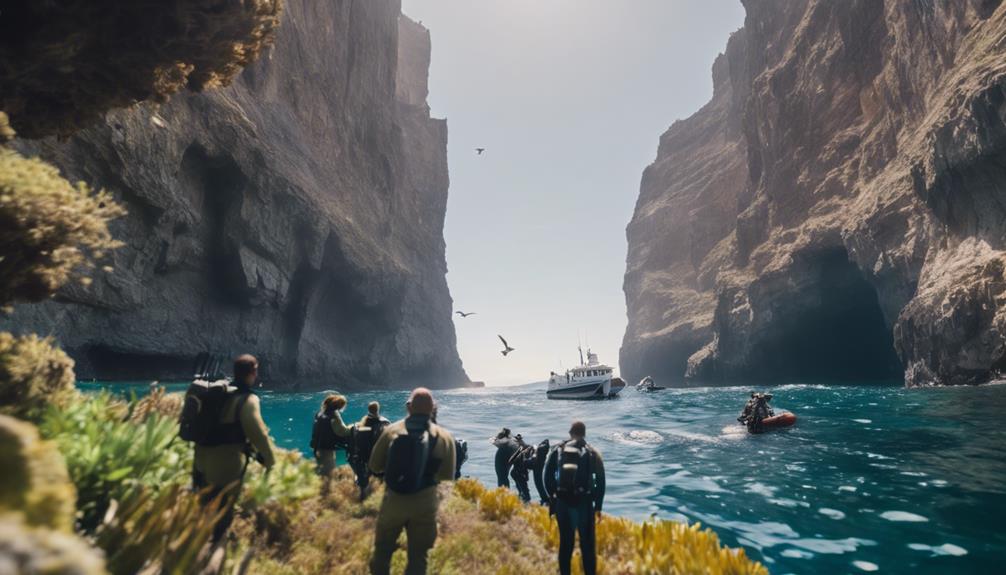
Guadalupe offers an array of visitor activities, from hiking through its rugged trails to birding in its diverse habitats. Whether you’re an avid hiker, a passionate birder, or simply looking for a picturesque spot to picnic, Guadalupe Mountains National Park has something for everyone.
Here are some activities you can enjoy:
- Hiking and Backpacking: Traverse the park’s impressive mountains and canyons, home to the extensive Permian fossil reef. The diverse flora and fauna you encounter along the way will leave you in awe of nature’s beauty.
- Birding: With its varied ecosystems, Guadalupe is a haven for bird watchers. Bring your binoculars and explore the park’s diverse habitats, where you might spot species that thrive in both desert and mountainous environments.
- Picnicking: Find a serene spot amidst the park’s natural splendor to enjoy a meal. The panoramic views of the landscape, including its canyons and desert dunes, provide the perfect backdrop for a relaxing picnic.
In addition to these activities, the NPS app is a valuable tool for planning your visit and making the most of your time in the park.
Trails and Hiking
You’ll find an array of popular hiking routes and scenic viewpoints in Guadalupe, making it a hiker’s paradise.
With eight of Texas’s highest peaks, the trails offer breathtaking vistas and challenging terrains.
Don’t forget to check the NPS app for updates and trail information to enhance your adventure.
Popular Hiking Routes
Begin an adventure through Guadalupe’s diverse hiking trails, where each path offers a unique experience and breathtaking views. The hiking routes here promise to captivate every nature enthusiast, offering a closer look at the area’s diverse ecosystems and rich biodiversity.
Guadalupe Peak Trail: This is the most popular trail, leading you to the highest point in Texas at 8,751 feet. As you ascend, you’ll traverse challenging mountainous terrain and be rewarded with stunning panoramic views of the surrounding landscape.
Devil’s Hall Trail: Known for its unique rock formations, this trail offers an adventurous hike filled with boulder scrambling. As you navigate through the natural rock hallway, the fascinating geological features will leave you in awe.
Smith Spring Trail: Perfect for families, this trail takes you through a lush oasis with seasonal waterfalls and abundant wildlife. It’s a serene escape that showcases the park’s rich biodiversity and is ideal for casual hikers and nature lovers alike.
Whether you’re scaling the heights of Guadalupe Peak Trail, exploring the rocky corridors of Devil’s Hall Trail, or enjoying the tranquility of Smith Spring Trail, the diverse hiking routes in Guadalupe promise unforgettable experiences.
Scenic Viewpoints
Discover the breathtaking scenic viewpoints along Guadalupe’s trails that offer panoramic vistas of mountains, canyons, and desert landscapes. As you hike these well-marked routes, you’ll find yourself immersed in the region’s natural beauty. The diverse terrain and ecosystems provide a unique backdrop for every step you take.
One of the most rewarding aspects of hiking in Guadalupe is the array of scenic viewpoints scattered along the trails. These vantage points offer you the chance to pause and soak in the panoramic views that stretch out before you. Whether you’re gazing at rugged mountains, dramatic canyons, or expansive desert landscapes, each viewpoint promises a different yet equally stunning perspective.
The trails in Guadalupe cater to various levels of hiking experience, ensuring that everyone can enjoy the breathtaking sights. From gentle walks through serene valleys to challenging climbs up rocky outcrops, there’s a route for every adventurer. As you traverse these paths, you’ll encounter diverse ecosystems teeming with local flora and fauna, adding another layer of wonder to your journey.
Camping and Lodging
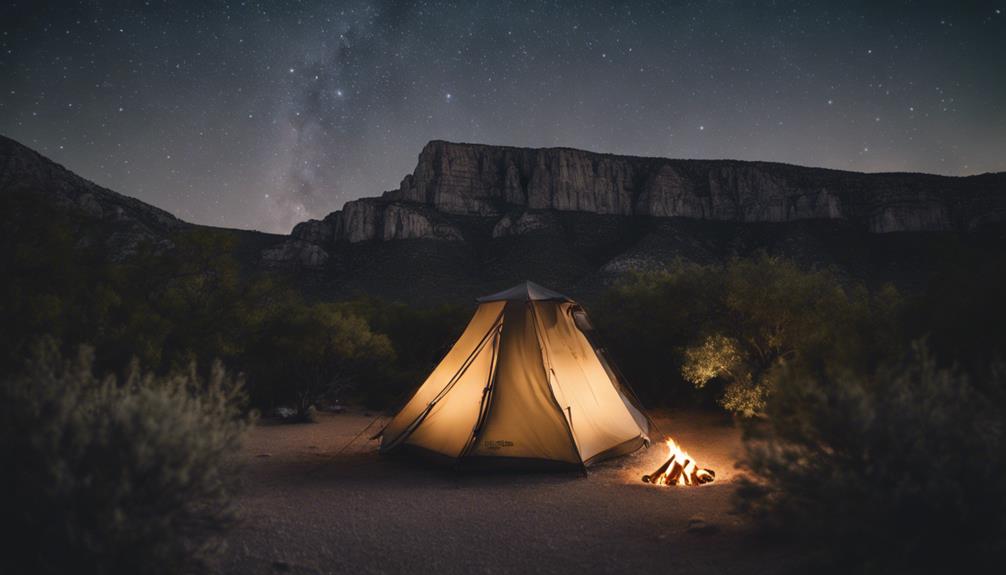
Exploring the camping and lodging options in Guadalupe offers a chance to truly connect with nature and experience the park’s breathtaking landscapes. Whether you prefer tent camping, RV camping, or backcountry camping, Guadalupe has what you need.
The campgrounds within Guadalupe Mountains National Park are equipped with amenities like restrooms, picnic tables, and fire pits, ensuring a comfortable stay. To secure your spot, it’s advisable to make reservations in advance since some campgrounds have limited availability.
If you’re looking for more traditional lodging, several options are available near the park. From motels and hotels to cozy cabins and vacation rentals, you can find the perfect place to rest after a day of exploration. Camping in Guadalupe allows you to immerse yourself in the park’s natural beauty and star-filled night skies, providing an unforgettable experience.
Here are three notable alternatives to explore:
- Pine Springs Campground: Ideal for tent camping and RV camping, with essential amenities and scenic views.
- Dog Canyon Campground: Offers a more secluded camping experience, perfect for backcountry camping enthusiasts.
- Nearby Lodging: Various motels, hotels, and cabins are available just outside the park for those who prefer not to camp.
Discover Guadalupe’s incredible outdoor opportunities and create lasting memories.
Conservation Efforts
How have conservation efforts on Guadalupe Island successfully protected its unique flora and fauna? Guadalupe Island’s conservation efforts have been pivotal in safeguarding its endemic flora and fauna, including the Guadalupe Fur Seals and Storm-petrels. One of the most significant projects was the feral goats eradication from 2002 to 2007, which allowed the island’s vegetation to recover and native species to thrive.
Organizations like Seacology play an essential role in these efforts by funding projects aimed at restoring habitats, controlling invasive species, and protecting marine ecosystems. In 2005, Guadalupe Island received biosphere reserve status, further emphasizing the importance of preserving its unique biodiversity.
Here’s a snapshot of key conservation milestones:
| Year | Milestone |
|---|---|
| 2002-2007 | Feral goats eradication |
| 2005 | Biosphere reserve status |
| Ongoing | Seacology projects for habitat restoration |
| Present | Continued focus on endemic flora & fauna |
Despite these successes, challenges like water scarcity and invasive species continue to shape conservation efforts on Guadalupe Island. Sustainable practices remain vital to overcoming these obstacles and ensuring the long-term protection of the island’s unique ecosystems. By supporting these initiatives, you can help preserve Guadalupe Island’s natural heritage for future generations.
Nearby Attractions

Frequently visited by tourists, Guadalupe boasts several nearby attractions that offer unique experiences and cultural insights. Whether you’re a nature enthusiast, history buff, or just looking to explore, there’s something for everyone around this vibrant city.
- Grande Découverte and Mount Sans Toucher: Begin an adventure to the Grande Découverte, an iconic site offering panoramic views. Nearby, Mount Sans Toucher provides hiking opportunities through lush landscapes shaped by tropical cyclones, including the infamous Hurricane Hugo. It’s a must-visit for nature lovers.
- Dry Forests of La Désirade: Just a short trip from Guadalupe, you’ll find La Désirade, one of the most remarkable dry forests in the Lesser Antilles. The unique ecosystem here is home to diverse flora and fauna, making it a fantastic spot for eco-tourism and nature photography.
- Saint Martin: While technically part of the broader region, a visit to Saint Martin offers a blend of French and Dutch culture, picturesque beaches, and lively markets. Its proximity to Guadalupe makes it an attractive day trip for those wanting to explore beyond the immediate area.
These attractions provide a rich tapestry of experiences, ensuring your visit to Guadalupe is both memorable and enriching.
Frequently Asked Questions
Where Exactly Is Guadalupe?
You’ll find Guadalupe at these geographical coordinates: 25.6784° N, 100.2599° W. Discover its historical significance, cultural landmarks, vibrant local cuisine, diverse climate patterns, popular festivals, tourist attractions, and the rich heritage of indigenous people.
What Language Is Spoken in Guadeloupe?
In Guadeloupe, you’ll hear French and a local Creole. The island’s bilingual population reflects its rich linguistic history and cultural diversity. French influence is evident in the educational system, while regional accents highlight the vibrant Creole culture.
Is Guadeloupe a Rich or Poor Country?
Guadeloupe isn’t classified as rich or poor. You’ll find economic disparity and income inequality. While there’s economic growth and social welfare, the wealth distribution and poverty rates impact the overall standard of living and financial stability.
What Is Guadalupe Island Known For?
You’d know Guadalupe Island for its Great White Shark diving, rugged volcanic terrain, and unique flora. As a Marine Reserve and Bird Sanctuary, it offers unparalleled diving expeditions and protects diverse ecosystems, making it an adventure hotspot.
Conclusion
So, if you’re looking to explore a vibrant area with rich history and stunning natural beauty, Guadalupe is your perfect destination.
You’ll find plenty of activities, from hiking and camping to exploring local flora and fauna.
The warm climate makes it an ideal spot for agriculture, and its proximity to Monterrey guarantees you won’t miss out on urban amenities.
Don’t forget to check out nearby attractions and appreciate the conservation efforts that keep this region beautiful!