

Santa Fe Elevation: What You Need to Know Before Visiting
When you visit Santa Fe, you’ll quickly notice its elevation at around 7,198 feet above sea level, making it one of the highest cities in America. This altitude introduces a distinct climate and atmosphere that can catch you off guard, especially if you’re not accustomed to thin and dry air. Simple activities might suddenly feel more strenuous, and you may find yourself easily winded. With cooler morning and evening temperatures, adjusting to Santa Fe’s unique environment requires some preparation. So, how can you best adapt to and enjoy this high-altitude city?
Key Takeaways
- Santa Fe stands at about 7,198 feet above sea level.
- It is the third-highest city in America.
- The air in Santa Fe is thinner and drier due to its elevation.
- Morning and evening temperatures tend to be cooler at this elevation.
- High elevation can impact physical performance and may cause altitude sickness.
Understanding Santa Fe’s Elevation
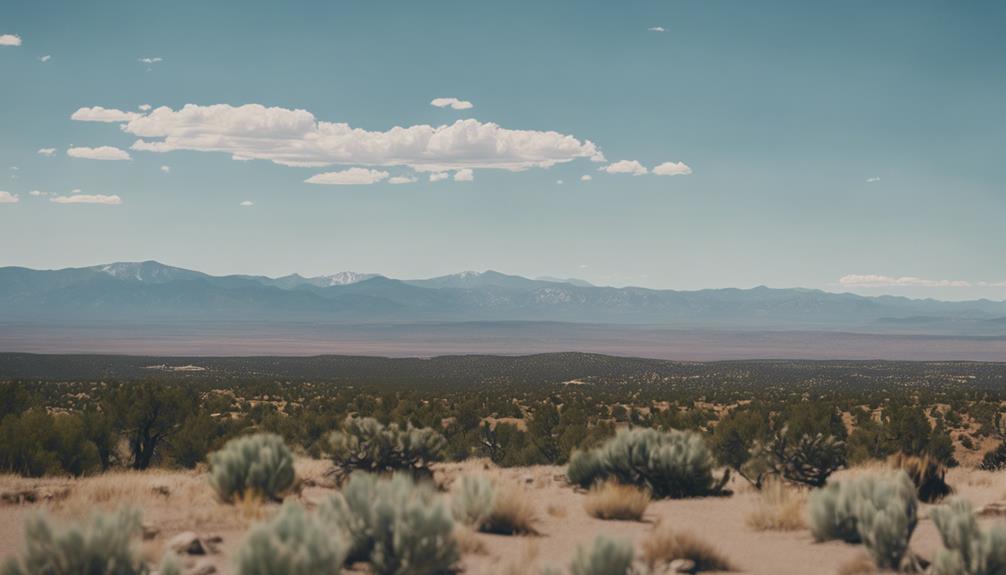
Santa Fe’s elevation, standing at about 7,198 feet above sea level, plays an important role in shaping its unique climate and atmosphere. When you visit this high-elevation city, you’ll notice the air is thinner and drier, which can be a new experience, especially if you’re not used to such heights. The city’s elevation makes it the third highest in America, offering a different climate compared to lower-altitude regions.
In the Santa Fe area, temperatures tend to be cooler. This variance is due to the high elevation, which influences daily weather patterns. You might find that morning and evening temperatures drop significantly, so dressing in layers is a wise move to stay comfortable throughout the day.
Additionally, staying hydrated is essential because the drier air can make you lose moisture faster than you might in lower elevations. Santa Fe’s high elevation also means the sun’s rays are stronger, making sunscreen a must-have to protect your skin.
Related Article: Mexico Size vs US: Unveiling the Astonishing Scale Difference!
Effects of High Altitude
At Santa Fe’s high elevation, you’ll encounter reduced oxygen levels that can lead to altitude sickness symptoms like headaches and dizziness. Physical activities become more challenging, making it important to pace yourself.
To mitigate these effects, stay hydrated and give your body time to acclimate.
Reduced Oxygen Levels
Due to its high altitude, Santa Fe’s reduced oxygen levels can make breathing and physical activities more challenging. At 7,198 feet above sea level, the air contains less oxygen, which means your body has to work harder to get the oxygen it needs. This can lead to a variety of effects, especially if you’re not used to high altitudes.
When you first arrive in Santa Fe, you might notice that even simple tasks can leave you feeling more winded than usual. This is because reduced oxygen levels decrease the amount of oxygen in your blood, making physical performance more taxing.
To help your body acclimate, consider the following:
- Take it easy initially: Give yourself time to adjust by avoiding strenuous activities for the first 24 to 48 hours.
- Stay hydrated: Drink plenty of water to help your body cope with the altitude.
- Eat light meals: Digesting heavy meals can require more oxygen, so opt for lighter, more frequent meals.
Altitude Sickness Symptoms
While adjusting to Santa Fe’s elevation, it’s crucial to be aware of the symptoms of altitude sickness, which can include headache, muscle aches, dizziness, and nausea. High altitude can lead to Acute Mountain Sickness (AMS), which often feels like a severe hangover. It’s important to recognize these symptoms early on to prevent more severe conditions.
In severe cases, altitude sickness can escalate to High Altitude Pulmonary Edema (HAPE), where fluid accumulates in the lungs, causing shortness of breath and a persistent cough.
Even more dangerous is High Altitude Cerebral Edema (HACE), a life-threatening condition involving fluid buildup in the brain. HACE significantly impacts mental function and can lead to confusion, lack of coordination, and even coma.
If you experience severe symptoms like extreme shortness of breath, persistent coughing, or mental confusion, seek immediate medical attention. These symptoms indicate a serious escalation of altitude sickness and require prompt treatment.
Being proactive about recognizing and addressing these symptoms can make your stay in Santa Fe much safer and more enjoyable. Always listen to your body and don’t hesitate to seek help if needed.
Physical Performance Impact
Santa Fe’s high altitude, sitting at around 7,198 feet, can significantly impact your physical performance by reducing available oxygen levels. You’ll likely experience decreased endurance, increased heart rate, and potential fatigue. The thin air means your body has to work harder to get the oxygen it needs, which can make even daily activities feel like a workout.
To manage the effects of high altitude on your physical performance, consider the following:
- Acclimate gradually: Give yourself a few days to adjust before jumping into strenuous activities.
- Stay hydrated: High altitudes can dehydrate you more quickly, so drink plenty of water.
- Adjust exercise intensity: Reduce the intensity of your workouts until your body adapts to the lower oxygen levels.
Symptoms like shortness of breath, dizziness, and headaches are common when you first arrive. It’s important to listen to your body and not push yourself too hard too soon.
Hydration Tips
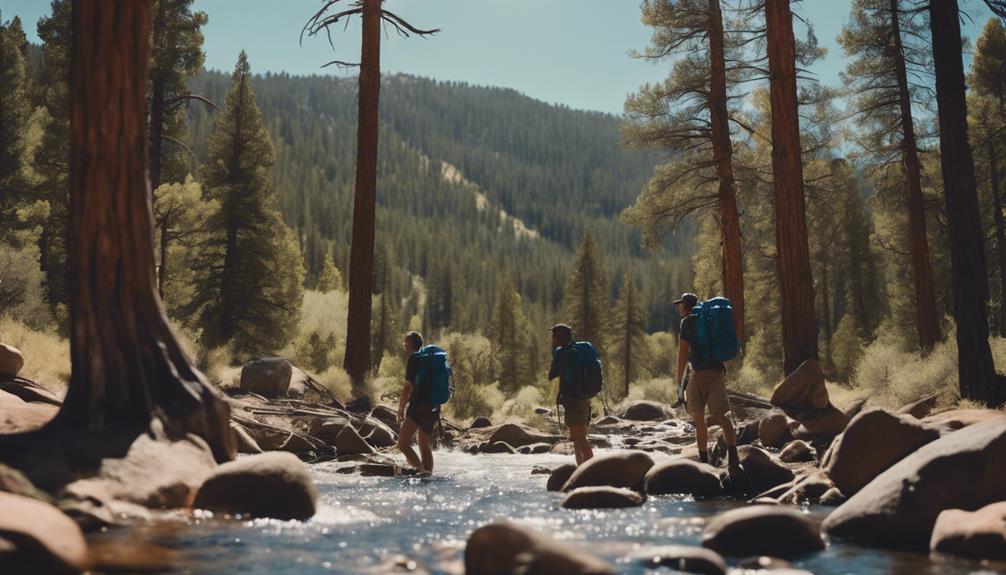
In Santa Fe’s high elevation and dry climate, staying hydrated is essential for your well-being. Make sure you drink water frequently and consider incorporating hydrating foods like fruits and vegetables.
These habits help you maintain ideal water intake and prevent altitude sickness symptoms.
Optimal Water Intake
Staying hydrated in Santa Fe’s high altitude and dry climate requires you to drink water consistently throughout the day. The high altitude increases the risk of dehydration, making essential water intake crucial. You need to be proactive about staying hydrated to combat the dry air and the over 300 sunny days Santa Fe boasts annually.
Here are some essential tips:
- Start your day with water: Begin your morning with a glass of water to kickstart your hydration.
- Carry a water bottle: Keep a refillable water bottle with you at all times to make sure you’re drinking regularly.
- Set reminders: Use a timer or an app to remind you to take sips of water throughout the day.
Dehydration can sneak up on you more easily at higher altitudes, so you must make a conscious effort to drink water regularly. Drinking water in the morning, throughout the day, and before bed can help maintain your hydration levels. Remember, the dry climate combined with the high altitude means your body needs more water than usual to function at its best.
Taking frequent breaks to drink water can make a significant difference in how you feel and perform throughout the day. Stay vigilant about your water intake to enjoy everything Santa Fe offers without the pitfalls of dehydration.
Hydrating Foods Benefits
Did you know that eating hydrating foods like watermelon and cucumbers can greatly boost your fluid intake? In high-elevation areas like Santa Fe, staying hydrated becomes even more important. These foods are packed with water, making them excellent choices for hydration. Watermelon, for instance, is about 92% water, while cucumbers are around 95% water.
Incorporating these hydrating foods into your daily meals can greatly contribute to your overall fluid intake. Snack on strawberries, celery, and bell peppers throughout the day to keep your hydration levels up. Lettuce, tomatoes, and oranges not only help with hydration but also supply essential vitamins and minerals, enhancing your overall health.
Living in Santa Fe, you should be aware that high elevation can increase your risk of dehydration. So, incorporating a variety of hydrating foods can be a tasty and effective way to stay hydrated. Spinach and other leafy greens are great additions to salads and smoothies, offering both hydration and nutritional benefits.
To maximize hydration, make hydrating foods a regular part of your diet. This will help you stay hydrated and maintain your health, especially in high-elevation environments like Santa Fe.
Related Article: Is San Luis Potosi, Mexico Safe? Insights and Precautions
Alcohol Consumption
At Santa Fe’s high elevation, alcohol hits harder, making one drink feel like three. This intensified effect is due to the reduced oxygen levels at high altitudes, which can impair your body’s ability to process alcohol efficiently.
Monitoring your alcohol intake is essential, especially when you first arrive in Santa Fe. The high elevation can exacerbate the effects of alcohol, leading to quicker intoxication and more severe hangovers.
Here are a few tips to keep in mind:
- Moderate Drinking: Keep your alcohol consumption in check, particularly within the first 24-48 hours of arrival.
- Hydrate Well: Drink plenty of water to combat the increased risk of dehydration at high altitudes.
- Listen to Your Body: If you start feeling unwell, seek medical help promptly.
Dehydration is a significant concern in Santa Fe due to the high elevation and dry climate. Drinking in moderation helps mitigate this risk. Excessive alcohol intake can quickly lead to dehydration, making you feel worse and potentially ruining your visit.
Sun Protection
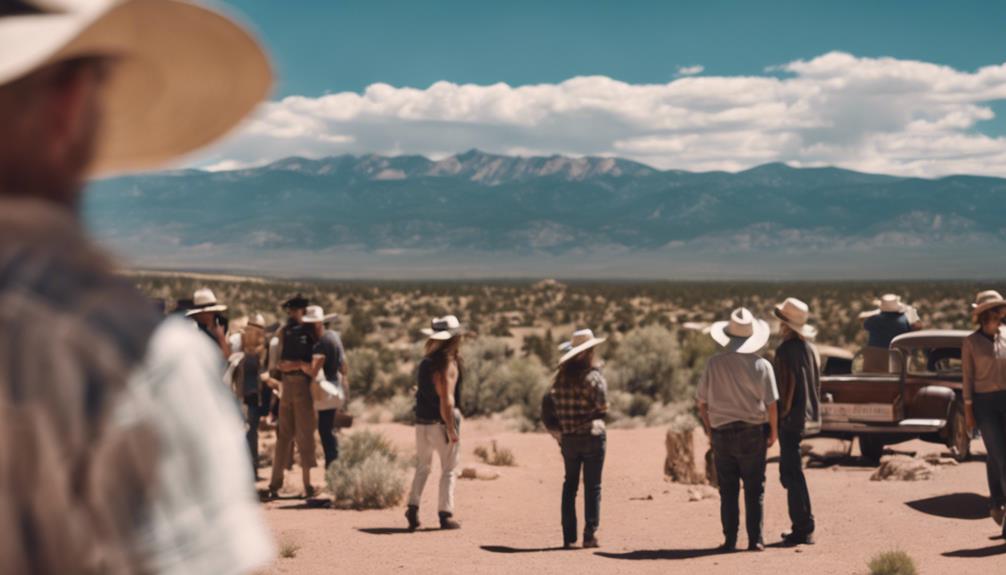
Santa Fe’s high elevation makes sun protection essential, as the sun’s rays are stronger and more intense. At higher altitudes, you’re closer to the sun, which increases your risk of sunburn. To safeguard your skin, always apply sunscreen with a high SPF on all exposed areas. It’s important to do this before engaging in any outdoor activities to make sure you’re protected from the get-go.
Wearing a hat provides additional protection, especially for your face and shoulders, which are more susceptible to sun damage. A wide-brimmed hat is ideal as it shades your face, ears, and neck, keeping you cooler and reducing the chances of a painful sunburn.
When you’re out exploring or enjoying outdoor activities, reapply sunscreen every two hours or immediately after sweating or swimming. This consistent protection helps maintain the effectiveness of your sunscreen, ensuring you stay shielded from the sun’s harsh rays.
Don’t underestimate the high desert sun just because the air feels cooler. The sun’s intensity at Santa Fe’s elevation requires diligent sun protection habits. By wearing sunscreen and a hat, you can enjoy your time outdoors without compromising your skin’s health.
Dressing for the Climate
Given Santa Fe’s high elevation and variable climate, dressing in layers is essential to stay comfortable throughout the day. At 7,198 feet, Santa Fe’s unique conditions mean you’ll experience significant temperature fluctuations. By layering, you can easily adapt to the changing weather.
Santa Fe’s dry climate and proximity to the sun add another layer of complexity to your wardrobe planning. You’ll need to balance clothing that protects you from the sun while also being prepared for cooler temperatures as the day progresses.
Here are some essentials to take into account:
- Breathable base layers: These help manage sweat and keep you comfortable during warmer parts of the day.
- Insulating layers: A fleece or light jacket is perfect for cooler mornings and evenings.
- Moisturizer and protective hats: The dry climate can be harsh on your skin, and the sun is stronger at high elevations.
Climate variations in Santa Fe can be quite drastic with an average temperature difference of 6-8 degrees from nearby Albuquerque. This makes dressing in layers even more critical. By preparing with versatile clothing options, you’ll be ready to enjoy all that Santa Fe’s high-elevation environment has to offer.
Preparing for Cold Nights

Experiencing significant temperature drops at night, especially in winter, means you’ll need to dress in layers to stay warm in Santa Fe. The city’s high elevation of 7,198 feet above sea level contributes to these cold nights, with temperatures often plunging below freezing during the winter months.
To stay comfortable, start with a moisture-wicking base layer to keep sweat away from your skin. Add an insulating layer like a fleece or down jacket, and finish with a windproof and waterproof outer layer to shield you from the elements.
Don’t forget your accessories. Warm hats, gloves, and scarves are essential for retaining body heat. Layering isn’t just for daytime activities; it’s also important for nighttime comfort. When you’re indoors or getting ready for bed, having a variety of blankets can make a big difference. Opt for thermal or wool blankets, as they provide excellent insulation against the cold.
Dressing appropriately and being well-prepared with layers and blankets ensures you can enjoy the breathtaking beauty of Santa Fe without the discomfort of cold nights. Remember, staying warm is key to making the most of your time in this high-elevation city.
Snowfall Considerations
Snowfall in Santa Fe brings both beauty and challenges, making it essential to be prepared for winter conditions. The city receives an average of 32 inches of snowfall annually, typically from November to April. This winter wonderland offers plenty of opportunities for winter sports enthusiasts, with nearby mountains perfect for skiing and snowboarding. However, with the beauty of snowfall comes several considerations you’ll need to keep in mind.
- Road Closures: Heavy snowfall can lead to road closures, making travel in and out of Santa Fe difficult.
- Travel Disruptions: Snow and ice can cause significant travel disruptions, affecting your daily commute and holiday plans.
- Snow Removal Efforts: The city’s snow removal efforts are essential for keeping roads safe and accessible.
Due to these factors, it’s important to stay informed about weather forecasts and road conditions. Make sure your vehicle is equipped with snow tires or chains, and always have an emergency kit on hand. Local authorities work diligently on snow removal efforts to minimize the impact of snowfall, but being prepared can make a significant difference in your safety and convenience during winter months.
Managing Altitude Sickness

While enjoying Santa Fe’s winter beauty, it’s also important to know how to manage altitude sickness in this high-elevation city. Altitude sickness can strike when you least expect it, but with a few proactive steps, you can minimize its impact.
First, allow yourself a few days for acclimatization. Santa Fe’s high elevation means your body needs time to adjust. Common symptoms of altitude sickness include headaches, fatigue, and dehydration. One effective way to manage these symptoms is to drink plenty of water. Staying hydrated helps your body combat the effects of the high altitude.
Here’s a quick guide to managing altitude sickness:
| Tip | Details |
|---|---|
| Stay Hydrated | Drink lots of water to prevent dehydration. |
| Avoid Alcohol | Skip alcohol for the first 24-48 hours to avoid oxygen absorption issues. |
| Rest | Take it easy and allow your body to adjust. |
| Seek Medical Help | For severe symptoms, get immediate medical attention. |
Avoiding alcohol for the first 24-48 hours also helps, as it can interfere with oxygen absorption. If you experience severe symptoms, don’t hesitate to seek medical help. By taking these steps, you can enjoy Santa Fe’s charm without the discomfort of altitude sickness.
Frequently Asked Questions
Is Santa Fe Considered High Altitude?
Yes, it’s considered high altitude. You’ll experience thinner air and weather changes, impacting outdoor activities and high-altitude gardening. High-altitude cooking also requires adjustments due to the elevation. Santa Fe offers unique challenges and rewards.
Is Santa Fe Higher Than Denver?
Yes, Santa Fe is higher than Denver. When comparing these mountain cities, Santa Fe’s elevation of 7,198 feet surpasses Denver’s 5,280 feet. The elevation differences highlight Santa Fe’s high terrain in altitude comparisons.
Can You Get Elevation Sickness in Santa Fe?
Yes, you can get elevation sickness in Santa Fe. Common elevation symptoms include headache and dizziness. Follow acclimatization tips like proper hydration, gradual adjustments, and travel precautions. Seek medical advice for severe symptoms.
Can You Get Altitude Sickness in Taos?
Yes, you can get altitude sickness in Taos. Prioritize altitude training, monitor oxygen levels, and follow acclimatization tips. When hiking, take precautions, stay hydrated, and avoid alcohol initially to help prevent severe symptoms.
Conclusion
In Santa Fe, the elevation creates a unique environment you’ll need to adjust to. Stay hydrated, limit alcohol, and protect yourself from the sun.
Dress in layers to handle the cooler mornings and evenings, and be prepared for potential snowfall. By understanding and managing these conditions, you can fully enjoy your time in this beautiful high-altitude city.
Embrace the experience and make the most of your visit to Santa Fe!