
The Mysteries and Wonders of Chichen Itza: A Timeless Attraction
Chichen Itza, one of Mexico’s most visited archaeological sites, is a testament to the Mayans’ advanced civilization and incredible architectural feats.
Nestled in the heart of the Yucatan Peninsula, this UNESCO World Heritage site attracts millions of tourists annually. But what makes Chichen Itza such a sought-after destination? Let’s dive deep into its history, significance, and attractions.
The Historical Significance of Chichen Itza

Chichen Itza, which translates to “at the mouth of the well of Itza,” is an architectural marvel and a reservoir of rich history.
The Rise and Dominance of the Itzaes
Originating around the 6th century AD, Chichen Itza was once the epicenter of the Mayan civilization. The city was ruled by the Itzaes, who held sway over a vast region of the Yucatan. Their dominance is evident in the grand structures and temples that dot the landscape.
The Merge of Cultures
Its unique blend of Maya and Toltec architecture sets Chichen Itza apart from other Mayan cities. This confluence can be attributed to invasions and subsequent assimilations, adding cultural depth to the town.
Architectural Wonders at Chichen Itza
The site spans over four square miles, housing several magnificent structures that reflect the prowess of Mayan architects.
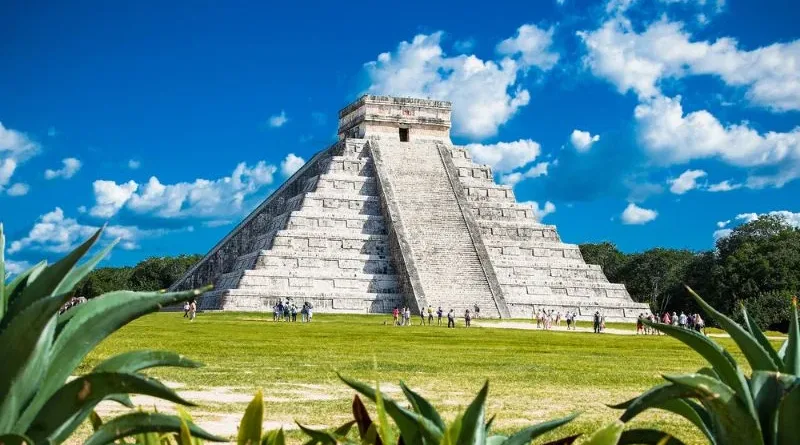
El Castillo or The Kukulkan Pyramid
Standing 30 meters high, this iconic pyramid is an architectural masterpiece and an astronomical wonder. Twice a year, during the equinox, a shadow resembling a serpent descends the staircase, demonstrating the Mayans’ intricate understanding of celestial events.
The Great Ball Court
The largest of its kind in ancient Mesoamerica, this ball court reminds us of the sporting prowess and the ritualistic significance of games held for the Mayans.
The Sacred Cenote
Believed to be a gateway to the underworld, this natural sinkhole was a site for offerings and human sacrifices. Artifacts retrieved from its depths provide a peek into the spiritual practices of the Mayans.
Safety Concerns and Travel Tips

While Chichen Itza remains a must-visit, concerns about safety in Mexico might deter some travelers.
The Reality of Safety in Mexico
Contrary to popular misconceptions, the Yucatan Peninsula, where Chichen Itza is located, is one of the safest regions in Mexico. However, like any popular tourist destination, you should be aware of your surroundings and exercise common caution.
Travel Tips
- Best Time to Visit: The dry season is from November to April.
- Guided Tours: Consider hiring a guide to better understand the site’s history.
- Stay Hydrated: The region can get hot; carrying water is essential.
The Mystique of Chichen Itza Today
While Chichen Itza stands as a window to the past, it also mirrors the fusion of cultures and the spirit of exploration that continues to inspire travelers today.
A Cultural Melting Pot
Modern-day Chichen Itza is a blend of indigenous traditions and global influences, as seen in the eclectic mix of vendors, performances, and visitors the site attracts.
A Living Monument
Even today, the local community holds various ceremonies and festivals that resonate with the energy of the ancients, ensuring Chichen Itza remains a living monument to the Mayan civilization.
The Science Behind Chichen Itza
One cannot marvel at Chichen Itza without appreciating the Mayans’ astronomical and mathematical knowledge.
Alignments with the Heavens
The Mayans were keen astronomers. El Castillo’s design is such that during the spring and autumn equinoxes, the setting sun creates a light-and-shadow illusion of a snake descending the pyramid’s staircase. This incredible alignment showcases their understanding of the solar year.
The Mayan Calendar
Chichen Itza houses carvings that depict the intricate Mayan calendar system. The Tzolk’in (260 days) and the Haab’ (365 days) can be seen in various inscriptions, revealing their prowess in timekeeping and predictions.
Sustainable Tourism at Chichen Itza
With the surge in global tourism, preserving the integrity of ancient sites has become paramount.
Visitor Regulations
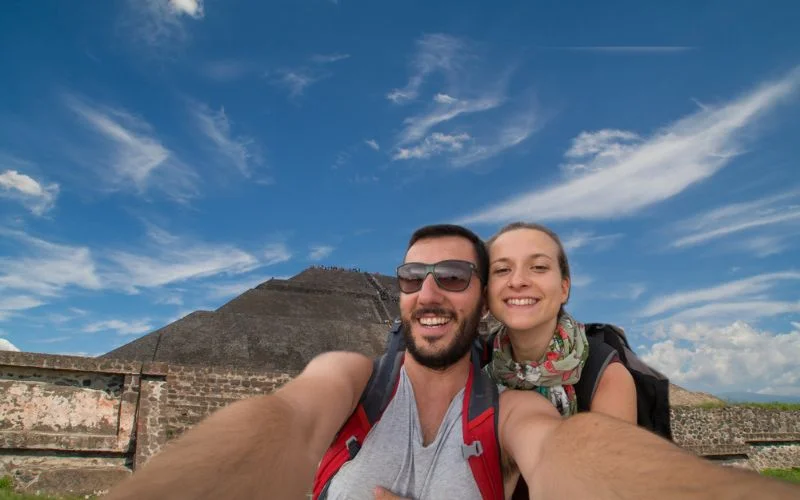
Certain areas of Chichen Itza are restricted to tourists to protect the site. Touching the monuments is generally prohibited to prevent wear and tear.
Eco-friendly Initiatives
Efforts are being made to make the tourist experience eco-friendly. Biodegradable products are promoted, and there’s an increased emphasis on leaving no trace.
Beyond Chichen Itza: The Yucatan Peninsula

While Chichen Itza is the jewel of the Yucatan, the peninsula offers many attractions.
Cenotes of Yucatan
Apart from the Sacred Cenote at Chichen Itza, the Yucatan Peninsula is dotted with numerous cenotes – natural sinkholes or pits resulting from collapsed limestone that expose groundwater. The Mayans revered these cenotes, and they are now popular swimming spots.
Colonial Cities and Mayan Villages
Cities like Mérida and Valladolid combine colonial charm and rich history. Nearby, authentic Mayan villages offer a glimpse into traditional life, crafts, and cuisine.
The Global Impact of Chichen Itza
Chichen Itza’s legacy is not confined to Mexico; it resonates globally.
A UNESCO World Heritage Site
Recognized in 1988, Chichen Itza’s World Heritage status emphasizes its universal value and the need for its preservation for future generations.
One of the New Seven Wonders of the World
In 2007, Chichen Itza was voted one of the New Seven Wonders of the World, a testament to its enduring appeal and global significance.
The Sounds and Flavors around Chichen Itza

No visit to Chichen Itza is complete without immersing oneself in the vibrant local culture that surrounds this ancient city.
Melodies of the Yucatan
The air around Chichen Itza often carries the haunting notes of traditional Mayan music. Instruments like the turtle shell drum, tukul (a gong), and the Mayan trumpet create a soundscape that echoes old rituals.
Culinary Delights
Local vendors often sell traditional Yucatecan dishes. Poc Chuc (grilled pork), Sopa de Lima (lime soup), and Salbutes (fried tortillas topped with turkey or chicken) are must-try dishes that offer a taste of the region’s rich culinary heritage.
Interactive Experiences at Chichen Itza
Beyond the static structures, some experiences allow visitors to interact and engage deeply with the site.
Light and Sound Show
Chichen Itza becomes a canvas for a mesmerizing light and sound show as night falls. Narratives of Mayan legends, combined with visual effects on El Castillo, offer a unique way to experience the city’s magic.
Workshops and Tours
Specialized workshops teach visitors about Mayan astronomy, calendar systems, and traditional cooking methods. These interactive sessions often provide deeper insights than typical tours.
Preserving Chichen Itza for Future Generations
While economically beneficial, the continuous influx of tourists challenges preserving Chichen Itza.
Conservation Efforts
Several initiatives have been launched to ensure that Chichen Itza remains intact. This includes restricting access to certain areas, utilizing advanced technology to monitor structural health, and regularly maintaining the site.
The Role of Visitors
As visitors, everyone has a part to play. Respecting the site rules, not littering, and choosing eco-friendly travel options can make a significant difference in ensuring Chichen Itza’s longevity.
Legends and Folklore

Chichen Itza is steeped in myths that add layers of mystery to its stone towers.
The Legend of the Feathered Serpent
Kukulkan, the feathered serpent deity, is central to many tales. Legends speak of this god teaching the Mayans crucial skills, from farming to astronomy.
Tales of the Sacred Cenote
Whispers of the Sacred Cenote, being a portal to the underworld, with tales of sacrifices and offerings to appease the gods, further enrich the narrative of Chichen Itza.
The Artifacts and Treasures of Chichen Itza
Unearthed over the years, the artifacts from Chichen Itza provide tangible links to its illustrious past.
Precious Offerings in the Cenote
Explorations of the Sacred Cenote have yielded gold, jade, pottery, and even human remains, pointing towards the ceremonial significance of the cenote for the ancient Mayans.
Modern Cultural Interpretations
Chichen Itza’s influence is evident in various contemporary works, from literature to film.
Literary Odes to the Ancient City
Over the years, Chichen Itza has enchanted authors, referencing its mysteries and splendor in poems, novels, and historical accounts.
On the Silver Screen
Hollywood and international cinema have often used the backdrop of Chichen Itza to portray adventure, discovery, and ancient mysticism. The site’s iconic structures have graced many a cinematic frame.
Environmental Concerns
The Yucatan’s unique ecosystem, combined with the pressure of tourism, brings forth environmental challenges.
Protecting the Cenotes
Beyond the Sacred Cenote of Chichen Itza, the Yucatan Peninsula is home to thousands of cenotes. These vital water sources need protection from pollution and overuse.
Flora and Fauna of the Region*
The dense forests around Chichen Itza are home to a plethora of species. Efforts are ongoing to ensure the conservation of this rich biodiversity against deforestation and urbanization.
Beyond the Tourist Lens
While most visitors come here as tourists, there are opportunities to engage at a deeper level.
Volunteer Opportunities
Several organizations offer programs where individuals can contribute to conservation efforts, archaeological work, or community-based projects.
Educational Tours
For students and enthusiasts, specialized educational tours offer in-depth sessions on Mayan history, architecture, and astronomy.
Conclusion
In a world increasingly driven by the digital and the immediate, places like Chichen Itza stand in quiet defiance – echoing tales of a time when stars guided destinies and stone bore witness to the dreams of humanity.
To walk its grounds is to traverse the corridors of history and to feel, even if for a fleeting moment, the pulse of an ancient world.
May the allure of Chichen Itza continue to inspire wonder, respect, and the insatiable quest for knowledge in every heart that treads its sacred paths. You can also visit our website for more information about Mexico.
FAQs
What is the best time to visit Chichen Itza?
From November to April, the dry season is considered the best time to visit. This period ensures pleasant weather and optimal conditions for exploration.
Are there safety concerns for visitors to Chichen Itza?
The Yucatan Peninsula, where Chichen Itza is located, is generally considered safe. However, like any tourist destination, you should be aware of your surroundings and exercise common caution.
How can I contribute to Itza’s preservation?
Visitors can play a role by respecting site rules, avoiding littering, and choosing eco-friendly travel options. Additionally, some organizations offer volunteer programs for conservation efforts.