
¿Es seguro Yucatán, México? la verdad sobre la seguridad
In the world of travel, safety is paramount. With its rich cultural history and stunning natural beauty, Yucatán, a state in Mexico, has become popular as a tourist destination. However, the question often arises: “Is Yucatan, Mexico safe?” This article aims to provide a comprehensive answer to this question, carefully analyzing the security factors in Yucatán.
However, the question often arises: “Is Yucatan, Mexico safe?” This article aims to provide a comprehensive answer to this question, carefully analyzing the security factors in Yucatán.
Understanding the security status of Yucatán
To truly understand the security situation in Yucatán, it is vital to consider multiple aspects: crime rates, tourism security, natural disasters, health risks, and transportation security. These five key areas provide a holistic view of the region’s security status.
Crime rates in Yucatan
Compared to other states in Mexico, Yucatán has one of the lowest crime rates. Here are some key points:
- The state of Yucatán often has the lowest homicide rates in Mexico.
- Minor crimes such as pickpocketing or bag theft may occur, especially in busy areas. However, these cases are relatively rare compared to other Mexican tourist spots.
- Violent crimes against tourists are rare in Yucatán.
These statistics underscore the relative safety of Yucatán compared to other regions. However, like any destiny, vigilance and common sense are necessary to avoid becoming a victim of crime.
Tourist Security in Yucatan
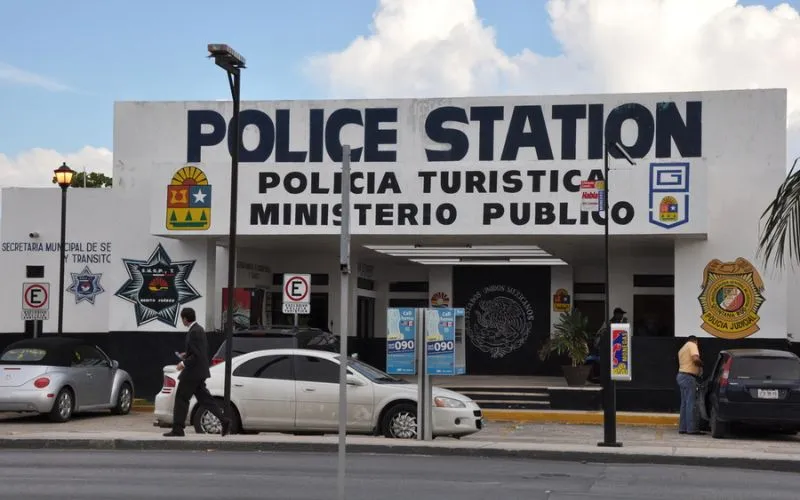
Yucatán is very touristy, with a solid infrastructure to protect and serve tourists. Here’s what you should know:
- Tourism is vital to the Yucatan economy, leading to high tourism protection.
- There are tourist police in popular areas, ensuring the safety of visitors.
- The main tourist destinations in Yucatán, such as Mérida, Valladolid, and the Riviera Maya, have specific security measures for tourists.
Natural Disasters in Yucatan
Yucatán is susceptible to certain natural disasters, such as hurricanes and tropical storms, particularly during the rainy season from June to November. However, it is worth noting that:
- Mexico has a comprehensive disaster management system, ready to act in emergencies.
- Building standards in Yucatán are designed to withstand hurricanes.
- Information about impending natural disasters is usually transmitted well in advance.
- For more details on how to prepare for natural disasters while traveling, visit the US Department of State Traveler’s Checklist.
Health Risks in Yucatan
While there are health risks associated with any trip, Yucatan does not present unique health threats. However, travelers must:
- Be up to date on routine vaccinations before each trip. The CDC and WHO recommend the following vaccines for Mexico: Hepatitis A, Hepatitis B, Typhoid, and Rabies.
- Practice good hygiene and consume safe food and water to avoid traveler’s diarrhea.
- Avoid mosquito bites as much as possible, as Yucatán occasionally reports Zika and dengue.
- For more health-related travel tips, visit CDC’s Health Information for Travelers to Mexico.
Transportation Safety in Yucatan
The Yucatán transportation system is generally reliable and safe, but there are considerations to keep in mind:
- Licensed taxis and reputable ride-sharing services are usually safe options for transportation.
- Road conditions in Yucatán are generally good, but it is recommended to avoid driving at night.
- Public transportation, while reliable, can be crowded, increasing the risk of petty theft.
For more tips on transportation safety in Mexico, see ABOUT US—Department of State Mexico Travel Alert .
Food and Beverage Safety in Yucatán
Cuisine is an important part of the Yucatan experience. Yucatecan food is an interesting mix of Mayan, Spanish, and Caribbean influences. However, as with any trip, you must be careful with what you eat and drink.
- Street food is a big part of Yucatecan culture and is generally safe. However, make sure the food is freshly prepared and served hot.
- Avoid consuming tap water. Bottled water is widely available and recommended.
- I will ensure that seafood and meat dishes are well cooked and served hot.
- These tips can help avoid common travel illnesses like diarrhea or food poisoning.
Understand local culture and laws.
Respecting local laws and customs is important for traveling safely and responsibly. In Yucatán, there are certain cultural rules and regulations that tourists should know:
- Dress modestly, especially when visiting religious sites or smaller traditional communities.
- It is illegal to deface or remove artifacts from historic sites. Mexico has strict laws that protect its cultural heritage.
- While Yucatán is generally open-minded, public displays of affection should be kept to a minimum to respect local customs.
Emergency Preparedness in Yucatan
Knowing how to handle an emergency is crucial no matter how safe a region is. Here are some things to keep in mind:
- The general emergency number in Mexico is 911. It is good to have this number saved in your phone.
- Know the location of your nearest embassy or consulate.
- Purchase travel insurance that covers medical expenses, theft, and trip cancellation.
Health in Yucatan
Quality medical care is a critical aspect of safety for any traveler. In this sense, Yucatán offers a unique health system for residents and tourists.
- Yucatán has a good network of public and private hospitals. Important cities such as Mérida and Valladolid have hospitals with modern facilities.
- Most healthcare professionals in Yucatán speak fluent English, especially in private hospitals that serve tourists and expats.
- Pharmacies are plentiful, and most over-the-counter US or European medications are available in Mexico, often at a lower price.
- Despite the overall high quality of medical care, travelers are recommended to have comprehensive travel insurance that covers health.
Traveling with Children in Yucatan
Traveling with children can present unique safety considerations. However, Yucatán is generally considered a family destination, with many activities and facilities for younger visitors.
- Many of the Yucatan’s attractions, like the beaches of Progreso or the interactive Museo del Mundo Maya in Mérida, are family-friendly.
- Public spaces are usually safe and welcoming for children. Mexican culture is very family-oriented.
- Be careful about sun exposure, and ensure your children are hydrated and protected from the sun.
Women’s Trips in Yucatan

Solo female travel is on the rise, and it is important to consider the safety of destinations from this perspective. Yucatán is generally regarded as safe for women traveling alone or in groups.
- Harassment is not widely reported in Yucatán, but like anywhere else, it can happen. Staying in public places and avoiding isolated areas can reduce this risk.
- Travelers should dress modestly, especially in rural or more traditional areas.
- Many female travelers recommend Yucatán as a welcoming and friendly destination.
Security in Rural Areas of Yucatán

While cities like Mérida and Valladolid may be the main attractions, the rural areas of Yucatán also offer stunning landscapes, ancient ruins, and a rich cultural experience. However, these areas can present unique security challenges.
- Rural roads can be poorly lit, making driving at night potentially dangerous. It is generally advisable to travel during the day.
- Some remote areas may have limited mobile phone coverage, so plan your route and inform someone of your travel plans.
- Local customs vary greatly in rural areas, so be respectful and considerate to avoid offending.
Digital Security in Yucatan
In an increasingly connected world, digital security is important when traveling. Here are some tips to stay safe online while in Yucatán:
- Be careful when using public Wi-Fi networks. Avoid accessing sensitive information, such as bank accounts, on public networks.
- Protect your devices with strong passwords and update them with the latest security patches.
- Beware of scams or fraudulent activities online. Be skeptical of unsolicited communications or too-good-to-be-true deals.
The COVID-19 situation in Yucatán
The COVID-19 pandemic has added a layer of complexity to travel security. The situation is dynamic, but as of the latest update, here’s what we know:
- The Mexican government regularly updates its safety measures and guidelines against COVID-19. It is essential to stay up to date with the latest information.
- Vaccination rates are increasing in Mexico, including in Yucatán.
- Most tourist attractions, restaurants, and hotels have implemented COVID-19 safety measures, such as requiring masks and practicing social distancing.
Common scams to avoid in Yucatán
Like any tourist spot, Yucatán has its fair share of scams. Knowledge of these is crucial to avoid falling prey to them:
- Fake Tour Guides – Always make sure you hire reputable tour guides. Fake guides may offer lower prices but lack proper training and permission to operate.
- Unofficial taxis: Always use authorized taxis or reputable ride-sharing apps. Unofficial taxis may overcharge or take longer routes.
- Timeshare Scams: Beware of high-pressure sales tactics for timeshare properties. Always read contracts carefully before signing them.
Yucatan map
Closing words
Travel safety is a multifaceted issue that involves understanding the local context, staying informed about the current situation, and practicing common sense and respect for local rules and regulations. This comprehensive guide provides an overview of the security situation in Yucatán, Mexico, one of the world’s most vibrant and culturally rich regions.
Related Posts:
Is Durango, Mexico, safe? Exploring the truths revealed
Is Chihuahua, Mexico, safe? An in-depth analysis: Is Tulum Mexico safe? A guide to traveling safely in Tulum
Frequently Asked Questions (FAQs):
Is Yucatan a safe destination for travelers?
Yucatán is generally considered a safe destination for travelers. The state government has taken significant measures to ensure the safety of tourists visiting popular locations such as Cancun, known for its stunning beaches and ancient ruins.
However, like any travel destination, travelers must take basic precautions, such as securing their belongings and being aware of their surroundings. It is also advisable to follow the advice and suggestions from local authorities and hotels to make the most of your trip to Yucatán.
What are some must-visit cities in Yucatan, Mexico?
Yucatán offers a wide range of vibrant cities worth exploring. Some must-visit cities in the region include Cancun, Mérida, Valladolid, Tulum, and Playa del Carmen.
These cities offer unique experiences like stunning beaches, historical ruins, and rich cultural heritage. Travelers can immerse themselves in local culture, enjoy delicious cuisine, and explore fascinating attractions in these cities.
How does the Yucatan government guarantee the safety of tourists?
The Yucatan government places a strong emphasis on the safety of tourists. They have implemented several measures to ensure a safe travel experience for visitors.
This includes increased police presence in tourist areas, improved surveillance systems, and collaboration with local authorities to address potential security issues.
In addition, the government provides information, advice, and suggestions to tourists through official channels and works closely with hotels and other accommodations to maintain a safe environment for travelers. These efforts aim to make Yucatán an attractive and safe destination for tourists.