
Mexican Cuisine: A Culinary Delights, Recipes and Traditions
Mexican cuisine is renowned worldwide for its rich history, varied flavors, and regional diversities. Its roots dig deep into indigenous, Spanish, and even Asian influences, and its flavors dance between spicy, savory, and sweet. This article will explore Mexican culinary arts’ profoundness and significance in the country’s culture.
Historical Background
Pre-Colonial Era
Before the Spanish colonization, the indigenous people of Mexico were primarily agriculturalists who cultivated crops like maize (corn), beans, chilies, and squash. These ingredients formed the foundation of the country’s culinary traditions.
Spanish Influence
The 16th-century Spanish conquest introduced pork, beef, chicken, dairy, and rice, then blended with indigenous ingredients, leading to a fusion of flavors.
Asian and African Influences
Trade and migration brought additional flavors, including Asian spices and African cooking techniques.
Regional Diversities
Mexico, a vast and geographically diverse nation, has resulted in regional cooking styles. Some popular regional cuisines include:
- Oaxacan is known for its mole (a sauce) and cheese.
- Yucatecan: Utilizes achiote and sour oranges, famous for dishes like “Cochinita Pibil.”
- Poblano: Famous for “Chiles en Nogada” and “Mole Poblano.”
- Veracruz: Seafood-based dishes with Spanish influences.
Popular Mexican Dishes
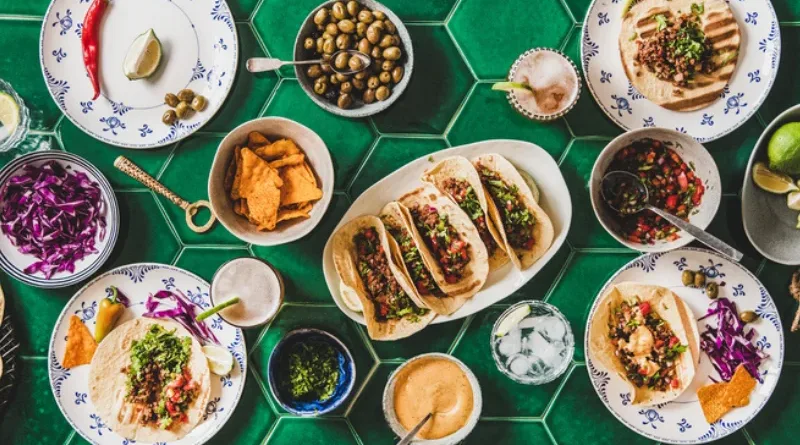
Tacos

Soft or crispy tortillas filled with various fillings, ranging from grilled meats to sautéed vegetables.
Guacamole
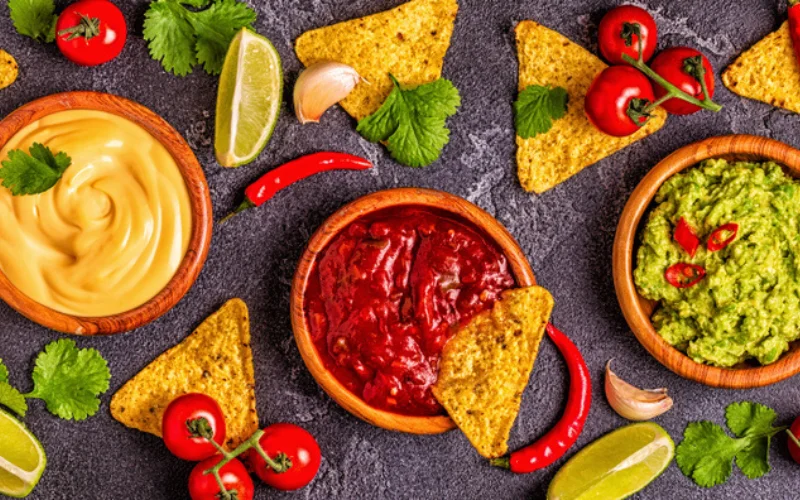
A smooth avocado-based dip, typically mixed with tomatoes, onions, chilies, and cilantro.
Tamales
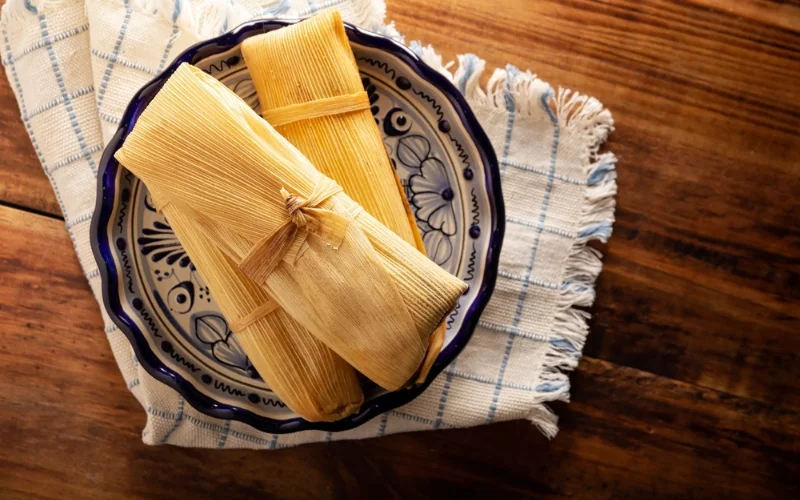
Steamed maize dough (masa) filled with meats, cheeses, or chilies, wrapped in corn husks.
Pozole
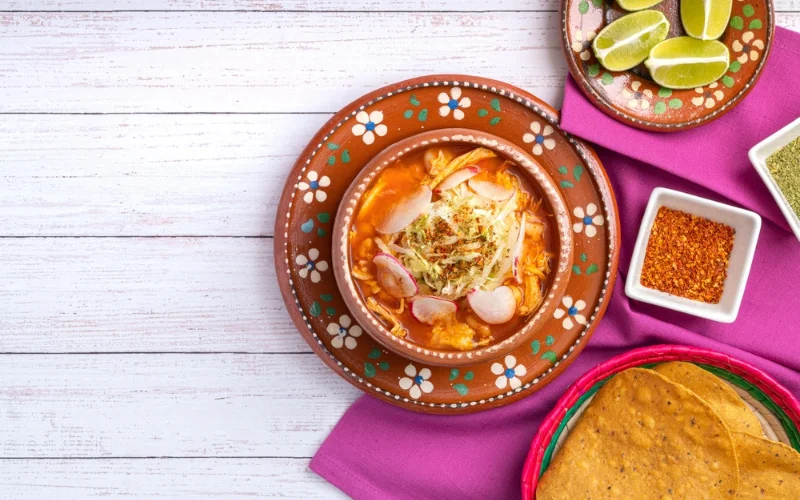
A hearty soup made with hominy corn and meat typically garnished with radishes, lettuce, oregano, and chili.
Enchiladas

Tortillas are filled with meat or cheese, rolled up, and smothered in chili sauce.
Health Benefits of Mexican Food
- Rich in Fiber: Ingredients like beans and corn are high in dietary fiber.
- Vitamins and Minerals: Fresh vegetables, fruits, and chilies provide essential vitamins and minerals.
- Proteins: Mexican dishes offer a good protein source for meat, beans, and cheeses.
- Healthy Fats: Dishes like guacamole provide healthy fats that benefit the heart.
The Influence of Mexican Cuisine on Global Gastronomy
Mexican food has made a significant mark globally. From the ubiquitous taco chains in the US to fine-dining establishments in Europe serving mole, the reach and love for Mexican food are undeniable. Blending old-world ingredients with new-world flavors has made Mexican cuisine a favorite worldwide.
The Evolution of Modern Mexican Cuisine
While traditional dishes remain at the heart of Mexican gastronomy, contemporary chefs have been pushing boundaries, merging ancient recipes with modern techniques and ingredients.
Molecular Gastronomy in Mexican Cooking
In recent years, there’s been a surge of interest in blending traditional Mexican flavors with molecular gastronomy. Chefs use techniques like spherification, foaming, and sous-vide to transform typical Mexican dishes into modern culinary masterpieces.
Farm-to-Table Movement
Like the rest of the world, Mexican restaurants embrace the farm-to-table movement by using fresh, local, and sustainable ingredients. This approach guarantees the freshest produce while also honoring Mexico’s agricultural legacy.
Vegan and Vegetarian Adaptations
Recognizing the growing demand for plant-based diets, Mexican chefs are innovating and offering vegetarian and vegan versions of classic dishes. Ingredients like jackfruit, mushrooms, and tofu replace traditional meats in tacos, tamales, and more.
Pairing Mexican Food with Beverages
Mexican cuisine is further enhanced when paired with the right beverages. Some classic pairings include:
- Tequila and Mezcal: These iconic Mexican spirits often accompany spicy dishes with robust flavors complementing the heat.
- Mexican Wines: The wine industry in Mexico is burgeoning. Regions like Baja California produce wines that pair wonderfully with Mexican dishes.
- Agua Fresca: These refreshing beverages, made from fruits, grains, or seeds, are delightful palate cleansers.
Learning to Cook Mexican Dishes

For those inspired to try their hand at cooking, there are countless resources available:
- Cooking Schools: Many cities in Mexico, such as Oaxaca and Puebla, offer tourist cooking classes. These provide a hands-on experience in making traditional dishes.
- Online Tutorials: Websites like Mexican Cooking Masterclass offer video lessons on everything from basic salsas to complex main courses.
Supporting Local Artisans
When indulging in Mexican cuisine, it’s also essential to appreciate the artisans behind the food. Many dishes, especially in rural areas, are served in handcrafted plates and bowls, enhancing the dining experience.
By purchasing these handicrafts, visitors can support local communities and take home a piece of their culinary journey.
Street Food: The Heartbeat of Mexican Cuisine
Exploring Mexican cuisine is complete with delving into its vibrant street food culture. These roadside stalls and markets showcase the genuine soul of Mexican culinary traditions.
Tortas & Cemitas

Mexican sandwiches contain various ingredients like meats, avocado, and Oaxaca cheese. The difference lies mainly in the type of bread used and regional variations of fillings.
Elotes & Esquites

Corn is an essential ingredient in Mexican cuisine, and two dishes that showcase its versatility are elotes and esquites. Elotes are grilled corn cobs with butter, mayo, chili powder, and cheese. On the other hand, esquites are cups of corn kernels that are seasoned similarly and served warm.
Tlayudas
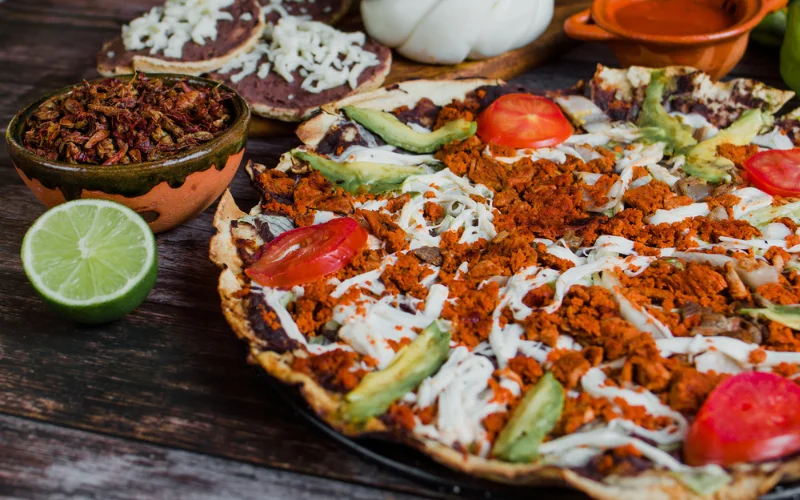
Often dubbed as Mexican pizzas, they are large, crispy tortillas topped with refried beans, lettuce, cheese, avocado, and usually a choice of meat.
Churros

This sweet treat is a deep-fried dough pastry, usually dusted with sugar and cinnamon. In some places, they’re filled with caramel or chocolate.
Festivals and Food
Mexico’s myriad festivals offer a unique window into its diverse food culture.
- Dia de Los Muertos (Day of the Dead) is a celebration to honor deceased loved ones. Traditional foods include Pan de Muerto (a sweet bread) and sugar skulls.
- Cinco de Mayo: This festivity witnesses a surge in preparing dishes like chalupas, enchiladas, and mole poblano.
- Las Posadas: This celebration, which takes place in December, is marked by foods like tamales, bacalao (salted cod), and bunuelos (sweet cakes).
Sustainability in Mexican Cuisine
Mexico’s culinary scene is adapting as the world becomes more conscious of sustainability. Ancient practices, like milpa (rotating swidden fields of corn and other crops) and chinampa (manufactured farming islets in lake areas), are being revived.
Farmers and chefs collaborate to ensure that sustainable, locally sourced ingredients are at the forefront, preserving the environment and Mexico’s rich culinary traditions.
Mexican Spices: The Soul of the Cuisine
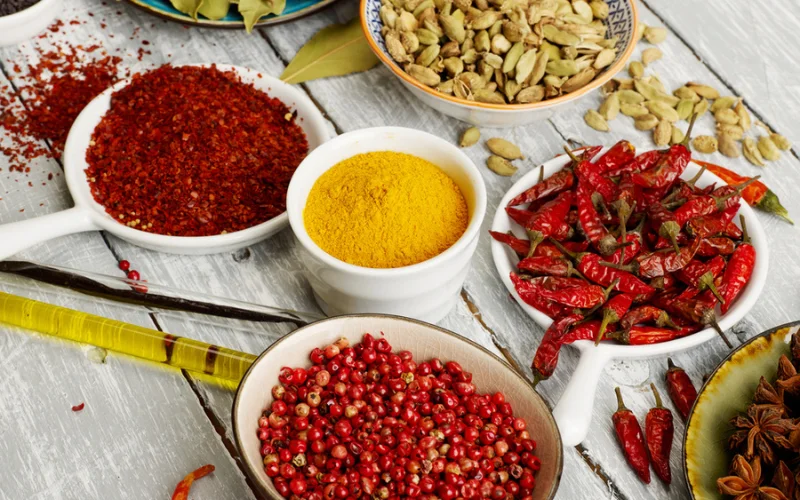
Diving deeper into the intricacies of Mexican food, one must recognize the myriad spices that elevate every dish. These spices, often native to the region, have shaped the country’s culinary identity.
Chili Peppers
From the fiery habanero to the mild poblano, chili peppers are integral to Mexican dishes. They aren’t just about heat; each variety offers unique flavors and depths.
- Ancho: Dried poblano pepper with a mild, fruity flavor.
- Chipotle: Smoked and dried jalapeño, lending a spicy and smoky taste.
- Guajillo: Bright, tangy with moderate heat, commonly used in pastes and stews.
Cumin
With its earthy, nutty flavor, this aromatic spice is often found in taco seasonings and many traditional stews.
Cinnamon (Canela)
Mexican cinnamon, also known as “true cinnamon,” is softer and sweeter than other cinnamons. It’s used in savory dishes like mole and sweets like churros.
Achiote (Annatto)
Derived from the seeds of the annatto plant, it imparts a vibrant color and slightly nutty, sweet taste to dishes.
Mexican Beverages: Beyond Tequila

While Tequila might be globally synonymous with Mexico, the country’s beverage repertoire is diverse and rich.
Pulque
A traditional Mesoamerican alcoholic beverage made from the fermented sap of the agave plant. It has a slightly sour taste and milky consistency.
Atole
A warm, comforting drink made from masa (corn dough), water or milk, cinnamon, vanilla, and sometimes chocolate or fruit.
Horchata
A refreshing, creamy drink made from rice, milk, vanilla, and cinnamon.
The Global Reach of Mexican Cuisine
The love for Mexican food isn’t just confined to its homeland. From Europe to Asia, the flavors of Mexico have found a place:
- United States: With a significant Mexican diaspora, burritos, nachos, and guacamole have almost become staples.
- India: Fusion dishes like Tandoori Tacos combine the heat and spices familiar to both cuisines.
- Japan: Tokyo boasts several authentic taco joints, while the “taco rice” is a popular Okinawan dish, blending local and Mexican flavors.
Conclusion
Embarking on a culinary journey through Mexico is like reading a book with layers of stories, each more compelling than the last.
From ancient traditions passed down through generations to modern fusions and reinterpretations, Mexican cuisine offers myriad flavors, techniques, and experiences.
To truly understand a culture, one often starts with the food. In the case of Mexico, the cuisine doesn’t just reflect its history and traditions but celebrates its people’s spirit, resilience, and creativity.
As you savor each dish, remember the hands that crafted it, its history, and the land that nurtured it. Whether dining in a high-end restaurant, a local’s home, or a street corner, every bite tells the tale of Mexico.
For more information on Mexico’s various aspects, including its safety, culture, and travel tips, feel free to explore How Safe is Mexico?
FAQs
What are some staple ingredients in Mexican cuisine?
Corn, beans, chili peppers, tomatoes, avocados, and various herbs and spices, such as cilantro and cumin, are staples.
What is the difference between Tex-Mex and authentic Mexican cuisine?
Tex-Mex cuisine is a fusion of Mexican and American cuisines, often featuring ingredients like ground beef, yellow cheese, and flour tortillas. In contrast, authentic Mexican cuisine focuses more on regional flavors and ingredients like corn tortillas, slow-cooked meats, and fresh salsas.
What is the significance of tortillas in Mexican cuisine?
Tortillas are a staple food in Mexico, made from either corn or wheat flour. They serve as a versatile base for various dishes such as tacos, burritos, enchiladas, and quesadillas.
How spicy is Mexican food?
Mexican cuisine can vary in spiciness depending on the dish and its region. Some dishes are mild, while others can be quite spicy. However, many Mexican dishes can be customized to suit individual spice preferences.
Are there any vegetarian or vegan options in Mexican cuisine?
Yes, Mexican cuisine has many vegetarian and vegan options, including bean burritos, vegetable enchiladas, nopales (cactus) salads, and guacamole.