

Mexico Murder Rate vs. US: A Comparative Analysis
When it comes to safety, the topic of the murder rate often comes up, especially when comparing two countries. This article compares murder rates in Mexico and the United States, two neighboring countries with different socioeconomic and political contexts.
Understanding Murder Rates
What is the Murder Rate?
A murder rate measures the murders per population unit, usually per 100,000 people. It’s a useful tool for comparing the prevalence of violent crime between different countries, regions, or periods.
How are Murder Rates Calculated?
Murder rates are calculated by taking the number of murders in a given period, dividing it by the total population, and then multiplying it by 100,000. This provides a standardized rate for direct comparison between different population sizes.
The Murder Rate in Mexico
According to the Mexican government’s data, the murder rate in Mexico has been a concern. Some key points include the following:
- The overall murder rate has been increasing over the last decade.
- Second, significant regional variations exist, with some areas experiencing much higher rates than others.
- Third, organized crime and drug trafficking substantially contribute to the high murder rate.
Mexican States with the Highest Murder Rates
Some states in Mexico consistently report higher murder rates than others. According to the latest data from the Mexican government, these include:
- Colima
- Baja California
- Chihuahua
- Guanajuato
- Michoacán
The Murder Rate in the US
The United States also experiences its share of violent crime. According to the FBI’s latest crime statistics, key points include:
- The murder rate has been relatively stable over the past decade, with some fluctuations.
- Significant regional variations exist, with some states and cities experiencing much higher rates than others.
- The majority of murders are committed with firearms.
US States with the Highest Murder Rates
According to the FBI’s Uniform Crime Reporting (UCR) Program, the states with the highest murder rates include:
- Louisiana
- Mississippi
- Missouri
- Alaska
- Maryland
Mexico vs. US: A Comparative Overview
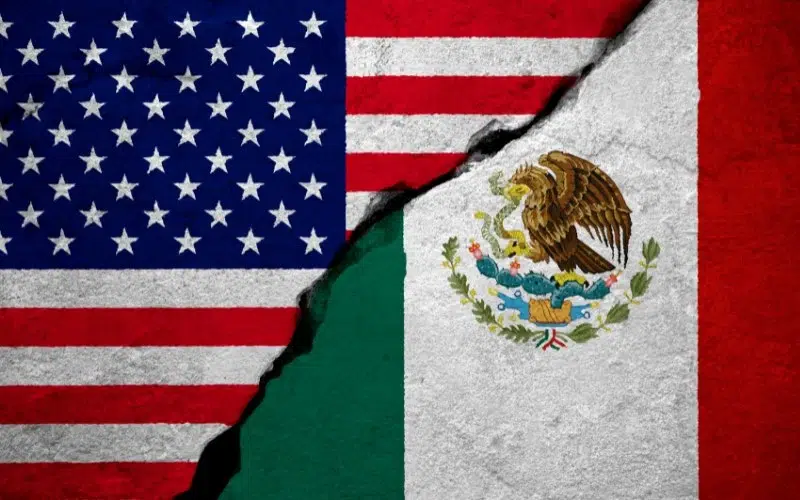
When comparing the murder rates between Mexico and the US, several factors must be taken into account:
- While Mexico’s murder rate is higher overall, the US has areas with comparable rates.
- The causes of violent crime in both countries are multifaceted and include organized crime, drug trafficking, socioeconomic inequality, and easy access to firearms.
- Both countries have areas with low murder rates, indicating that the problem is not ubiquitous.
Deeper Insights into Murder Rates
While the murder rate provides a snapshot of a country’s violent crime level, it does not tell the whole story. Many factors at play contribute to these statistics.
Socioeconomic Factors
In both Mexico and the United States, socioeconomic factors play a significant role in contributing to violent crime rates. For example, poverty, unemployment, and lack of education can increase crime rates, including murder.
- In Mexico, impoverished areas often have higher crime rates due to the lack of opportunities and the influence of organized crime.
- Similarly, in the US, areas with high poverty and unemployment rates often have higher levels of violent crime.
Organized Crime
Organized crime significantly contributes to high murder rates in both countries.
- Drug cartels and organized crime syndicates in Mexico are a major cause of violence. In addition, they often engage in territorial disputes, leading to high murders.
- Organized crime, including gangs, in the US contributes to the murder rate. However, the scale and nature of organized crime in the US differ significantly from Mexico.
Gun Violence
Access to firearms is a crucial factor in the murder rates of both countries. The US, in particular, has a high rate of gun ownership and, consequently, a high rate of gun violence.
Moreover, despite stricter gun control laws in Mexico, illegal firearms are often used in violent crime, particularly by organized crime groups.
Safety Measures for Travelers

Whether traveling to Mexico or the US, one must know the safety measures to ensure a safe trip. Some of these measures include:
- First, we stayed in well-lit and populated areas.
- Second, they are avoiding areas known for high crime rates.
- Third, they are keeping valuable items out of sight.
- Fourth, it is being aware of your surroundings and avoiding risky situations.
- Finally, we are using reliable transportation methods.
For more detailed safety advice, check our comprehensive safety guide.
Personal Safety Tips for Travelers
No matter where you travel, personal safety should be your top priority. Here are some essential tips to ensure you stay safe:
Research the Area
Before you travel, learn about the area you’ll be visiting. Look up crime rates, local customs, and any travel advisories. This information can help you prepare and know what to expect.
Stay Connected
Ensure you have a way to communicate in case of emergencies. Whether it’s a local SIM card or a roaming plan, staying connected can be a lifesaver.
Follow Local Laws and Customs
Respect local laws and customs to avoid unnecessary trouble. This includes understanding and abiding by local drug laws, dress codes, and social norms.
Avoid Risky Areas
Avoid areas known for high crime rates, particularly at night. Even in regions with high murder rates, crime is often concentrated in specific areas.
Trust Your Instincts
If something doesn’t feel right, trust your instincts. It’s better to be safe than sorry.
The Impact of Crime on Communities
Crime, particularly violent crime like murder, significantly impacts communities. It can lead to fear, decrease property values, and deter tourism, which can have a significant economic impact. However, it can also lead to social instability and reduced quality of life.
Mexico
In Mexico, the high murder rate has had a profound impact, particularly in areas heavily affected by drug trafficking and organized crime. This has led to significant internal displacement as people try to escape the violence.
United States
In the US, areas with high murder rates often suffer from a lack of investment and economic opportunity, leading to a cycle of poverty and crime.
Working Towards a Solution
Addressing high murder rates is a complex issue that requires a multifaceted approach. This includes addressing socioeconomic issues, improving law enforcement, and implementing effective gun control policies.
While these challenges are significant, progress is being made. For example, Mexico and the United States have implemented various initiatives to combat violent crime and improve safety.
Role of Government and Law Enforcement

Government and law enforcement agencies play a critical role in mitigating murder rates. Their functions include maintaining law and order, implementing policies to prevent crime, and ensuring justice.
In Mexico
The Mexican government has been working to combat organized crime and lower the murder rate. They have implemented various strategies, including:
- Deploying the military to areas with high crime rates
- Implementing social programs aimed at providing alternatives to crime
- Implementing judicial reforms to improve the effectiveness of the justice system
In the United States
The US government has various programs to reduce violent crime at the federal and state levels. These include:
- Community policing initiatives
- Programs aimed at reducing gun violence
- Efforts to address the root causes of crime, such as poverty and lack of education
The Role of Community Involvement
Community involvement is also crucial in addressing high murder rates. Community members can help deter crime, support victims, and work with law enforcement to create safer neighborhoods.
Community-Based Programs
There are various community-based programs in both Mexico and the US aimed at reducing crime. These programs often involve cooperation between law enforcement, local government, and community members, including neighborhood watch programs, youth outreach initiatives, and victim support services.
Conclusion
The murder rates in Mexico and the US provide valuable insight into the state of public safety in both countries.
While they highlight the ongoing challenges in addressing violent crime, they also underscore the importance of continued efforts by governments, law enforcement agencies, and communities to create safer environments.
The complexity of the problem demands comprehensive solutions that address not only the symptoms – the crimes themselves – but also the underlying social, economic, and political factors that contribute to violent crime.