Mexico vs. Caribbean: Which is Safer for Vacation?
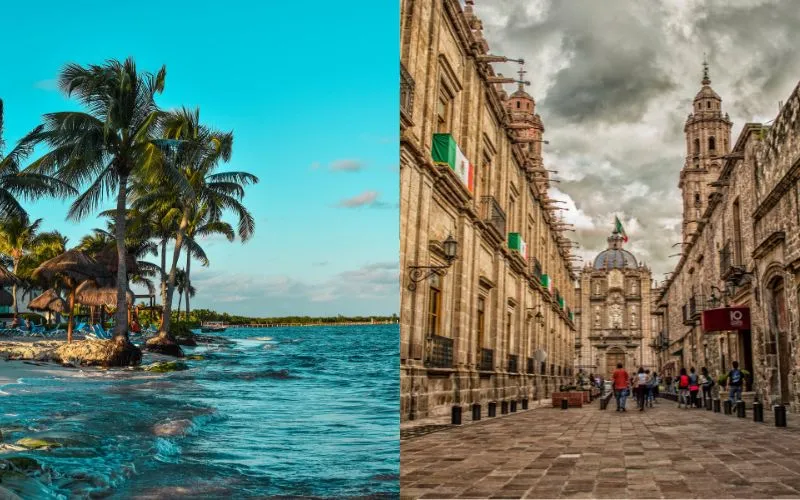
As an avid traveler seeking sun, fun, and the rhythm of party music, safety is crucial when planning your vacation. Today’s comparative analysis focuses on two popular sand and wave-kissed destinations: Mexico and the Caribbean.
These regions are known for their beautiful beaches, a paradise of luxury and all-inclusive experiences, rich cultural heritage, and vibrant local scenes. However, safety can vary from one sun-drenched, fun-filled destination to another.
Safety Overview in Mexico
Crime Rates in Mexico
Mexico’s crime rates vary significantly between areas. Cities like Cancun and Mexico City have higher crime rates, mostly due to their dense populations. However, tourist areas are generally safe, with police and security forces maintaining a strong presence.
Drug-Related Violence in Mexico
While Mexico has made international headlines for drug-related violence, it’s important to note that this is largely contained within specific areas. For the average tourist, these conflicts are unlikely to impact their experience.
Petty Crimes in Mexico
Petty crimes like pickpocketing and scams are common in crowded areas. So it’s always wise to be cautious and protect your belongings.
Health and Environmental Risks in Mexico
Mexico’s health and environmental risks are relatively low. However, travelers should stay updated on potential health advisories like water-borne diseases and take necessary precautions.
Safety Overview in the Caribbean
Crime Rates in the Caribbean
The Caribbean comprises numerous islands, each with its own safety profile. While islands like St. Lucia and Barbados are generally safe, others, like Jamaica, have high crime rates in certain areas.
Health and Environmental Risks in the Caribbean
Like Mexico, the Caribbean has health and environmental risks. Depending on the time of year, travelers may face hazards from hurricanes and diseases such as Zika or Dengue fever.
Comparing Safety Between Mexico and the Caribbean

The safety in both Mexico and the Caribbean depends largely on your destination within these regions. Both have areas with higher crime rates and health risks, but they also have numerous safe areas for tourists.
Consider visiting Travel State Gov’s Country Information page for a more detailed safety profile. In addition, the Centers for Disease Control and Prevention provides valuable information on health risks.
Finally, sites like The Guardian and The New York Times are great resources for current safety events.
Best Practices for Staying Safe
Some general safety tips can help keep you safe wherever you travel. These include researching your destination, respecting local customs, keeping an eye on your belongings, and maintaining a healthy skepticism of too-good-to-be-true offers.
Delving Deeper: Mexico vs. Caribbean Vacation Safety
Local Law Enforcement: Mexico and the Caribbean

In the context of safety, local law enforcement plays a crucial role. For example, tourist hotspots in Mexico and the Caribbean typically have a strong police presence to ensure visitor safety.
Moreover, the governments of these destinations often go the extra mile to ensure tourists can safely enjoy their experiences.
Tourist Police in Mexico
In popular tourist cities in Mexico, such as Cancun, there is a special division of police known as the ‘Tourist Police.’ These officers are specifically trained to assist visitors, addressing their concerns and providing them with necessary guidance.
Local Police in the Caribbean
Similarly, in the Caribbean, local police units are strategically placed in tourist areas, and these islands’ overall sense of community often results in a safer environment for visitors.
Specific Safety Concerns: Natural Disasters
Mexico: Earthquake Zones
Mexico, particularly the regions around Mexico City and the Pacific Coast, is prone to earthquakes. However, buildings are now designed to withstand natural disasters, and the country has an effective early warning system.
The Caribbean: Hurricane Season
In the Caribbean, the main natural disaster concern is hurricanes. The hurricane season, from June to November, can sometimes disrupt travel plans. Therefore, checking the weather updates regularly if traveling during this period is wise.
Travel Insurance: A Safety Net

While we hope our vacations proceed without a hitch, it’s always prudent to be prepared for unforeseen circumstances.
Travel insurance can provide a safety net, covering everything from medical emergencies to trip cancellations. In addition, sites like World Nomads and Travel Guard offer competitive plans tailored to your needs.
Public Perception: Mexico and the Caribbean
Often, the perception of safety can be as important as statistical data. For example, while certain regions in Mexico and the Caribbean have been stigmatized due to high crime rates, visitors consider many other areas very safe.
In addition, online forums and communities like TripAdvisor can provide personal experiences and insights about safety.
Socio-Political Stability: Mexico and the Caribbean
While physical safety is important, the socio-political stability of your chosen destination can also impact your experience. For example, Mexico and the Caribbean are generally stable, but staying updated with recent developments is wise.
Mexico’s Political Climate
Mexican politics can occasionally be turbulent, but it rarely affects tourists directly. Protests and demonstrations are usually localized and peaceful, but avoiding these is always a good idea to ensure safety.
Political Stability in the Caribbean
The political climate in the Caribbean is generally peaceful and stable. While each island has its political nuances, tourists rarely encounter political disruptions.
Personal Experiences: Testimonials from Travelers

Mexican Vacation Safety: Travelers’ Perspectives
Many visitors to Mexico report feeling safe, particularly in tourist-heavy regions. Resorts often have robust security measures, and locals are known for their welcoming attitude toward tourists.
Testimonial from a Repeat Visitor
John, a repeat visitor to Mexico, shares, “I’ve always felt safe in Mexico. The locals are friendly, and the authorities are visible, ensuring safety for everyone.”
Caribbean Vacation Safety: What Travelers Say
Similarly, the majority of tourists report feeling safe in the Caribbean. Again, the locals’ hospitality and the visible security in tourist areas contribute to a positive experience.
Testimonial from a Family Traveler
Sarah, a mother who frequently travels to the Caribbean with her family, expresses, “The Caribbean feels like a home away from home. The warm-hearted locals and the strong sense of community make us feel secure.”
Safety Tips: How to Ensure a Safe Vacation
Whether you’re heading to Mexico or the Caribbean, certain safety precautions can help ensure a trouble-free vacation.
Travel Advisory Updates
Stay updated with the latest travel advisories from your home country’s foreign affairs department. Sites like the U.S. Department of State – Bureau of Consular Affairs provide comprehensive updates.
Health Precautions
Consult with a travel clinic or your family physician about any necessary vaccinations or precautions for endemic diseases in your destination.
Secure Your Belongings
Invest in travel-safe bags and wallets to secure valuables and avoid attracting unnecessary attention.
Be Aware of Your Surroundings
Stay vigilant in crowded places and tourist hotspots where pickpockets might be active.
Emergency Contacts: Who to Call
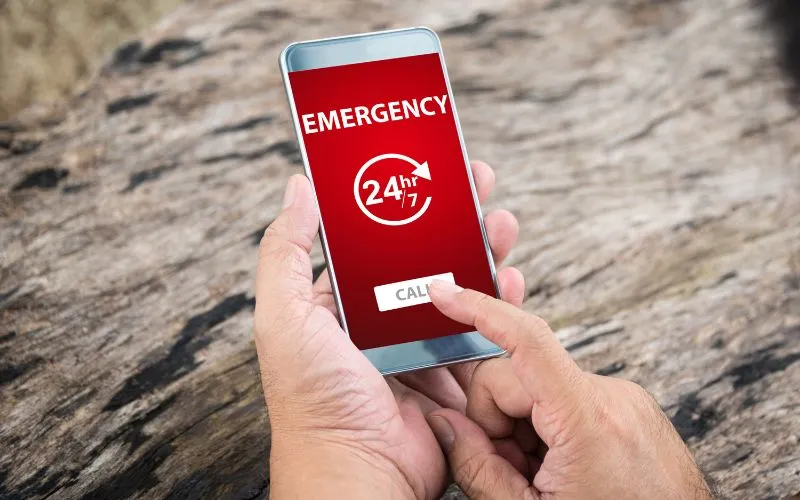
When visiting Mexico or the Caribbean, it’s crucial to have a list of emergency contacts just in case you need immediate assistance.
Emergency Contacts in Mexico
The general emergency number in Mexico is 911, similar to the United States. This will connect you to local emergency services, including police, medical, and fire.
Emergency Contacts in the Caribbean
In the Caribbean, the emergency number can vary from island to island. For most, including the Bahamas, Barbados, and the Cayman Islands, the emergency number is also 911.
However, in others like Dominica, you would dial 999. Therefore, it’s always best to check the specific number for the island you visit before you go.
Cultural Respect and Safety
Respecting the local culture enriches your travel experience and contributes to your safety. In addition, locals are more likely to help and protect tourists who respect their customs and traditions.
Cultural Respect in Mexico
Mexican culture is rich and diverse. Avoiding stereotypes and respecting their traditions and customs will help you connect better with locals and navigate your journey safely.
Cultural Respect in the Caribbean
Similarly, the Caribbean islands are home to a mix of cultures, each with its traditions and customs. Respect and politeness go a long way in ensuring a positive, safe experience.
Food and Water Safety
Both Mexico and the Caribbean offer a variety of culinary delights. However, practicing food and water safety is important to avoid potential health risks.
Food Safety in Mexico and the Caribbean
Try to eat at reputable restaurants and avoid street food that has yet to be freshly cooked or sitting out. When trying seafood, ensure it’s properly cooked from a reliable source.
Water Safety in Mexico and the Caribbean
In Mexico and the Caribbean, it’s advised to stick to bottled water and avoid tap water unless you’re sure it’s safe to drink.
Solo Travel: Safety Considerations for Mexico and the Caribbean
Traveling alone can be an exhilarating experience, but it comes with its own set of safety considerations. Here’s what solo travelers should remember when exploring Mexico or the Caribbean.
Solo Travel in Mexico
Mexico’s well-trodden tourist routes are generally safe for solo travelers. However, it’s important to stay vigilant, particularly at night. Stick to populated areas and let someone know your plans whenever possible.
Join Group Tours
If you plan to visit less-developed regions or undertake adventurous activities, consider joining a group tour. Reputable operators ensure safety and often provide valuable local insights.
Solo Travel in the Caribbean
Solo travel in the Caribbean can be a relaxing and fulfilling experience. However, as with any destination, keeping safety in mind is crucial. Avoid secluded areas after dark, and always let someone know your whereabouts.
Connect with Other Travelers
Staying at hostels or participating in group activities can connect you with other travelers. This enhances your travel experience and provides an extra layer of safety.
Cyber Safety: Protecting Your Information

Cyber safety is as important as physical safety in today’s digital age. So whether you’re accessing your bank account or posting updates on social media, ensuring your digital information is secure is crucial.
Wi-Fi Safety
Public Wi-Fi networks, such as those in cafes or hotels, can sometimes be insecure. Therefore, avoid accessing sensitive information on these networks. Instead, consider investing in a VPN (Virtual Private Network) for secure browsing.
Social Media Safety
While sharing your adventures in real-time is tempting, it’s best to wait until you’re back home. Posting your location and plans can make you an easy target for potential thieves.
Women’s Safety: Mexico vs. the Caribbean
As a woman, it’s important to be aware of specific safety considerations when traveling.
Women’s Safety in Mexico
Mexican culture is traditionally respectful toward women. However, instances of catcalling or similar behavior can occur. It’s best to dress modestly and avoid walking alone at night in less populated areas.
Women’s Safety in the Caribbean
The Caribbean is generally safe for female travelers. Still, adhering to general safety guidelines, like avoiding secluded areas at night and dressing modestly, can ensure a more secure trip.
LGBTQ+ Safety in Mexico and the Caribbean
Traveling as an LGBTQ+ individual comes with its own set of safety considerations. Mexico and the Caribbean have made significant progress regarding LGBTQ+ rights, but attitudes can vary across regions.
LGBTQ+ Safety in Mexico
Mexico is one of the more progressive countries in Latin America regarding LGBTQ+ rights. Mexico City, in particular, is known for its welcoming attitude. However, it’s advisable to be discreet in less urban areas.
LGBTQ+ Safety in the Caribbean
The Caribbean’s attitude towards the LGBTQ+ community can vary drastically. While islands like Curacao are known for being LGBTQ+-friendly, others might need to be more accepting. Therefore, researching your specific destination before your trip is crucial.
Final Thoughts
Your safety should always be a priority regardless of where you travel. If informed and prepared, Mexico and the Caribbean can offer memorable experiences. Remember, safety isn’t just about avoiding danger but also about feeling comfortable and secure during your trip.
References
Frequently Asked Questions
Is Mexico safe for tourists, especially in popular destinations like Playa del Carmen and Tulum?
Yes, Mexico, including Playa del Carmen and Tulum, is generally safe for tourists. These popular destinations in the Riviera Maya have implemented various safety measures to protect tourists.
It’s always wise to exercise caution, follow local guidelines, and avoid isolated areas at night to ensure a safe vacation experience.
What are the top water-based activities to enjoy in the Caribbean?
The Caribbean offers captivating water-based activities, including snorkeling in its turquoise waters to explore vibrant marine life. Adventurers can also indulge in thrilling wave sports like surfing and kiteboarding, making the most of the Caribbean’s breathtaking natural beauty.
What are some budget-friendly options for a Caribbean getaway?
For travelers on a budget, excellent deals are available in destinations like the Dominican Republic, Puerto Rico, Cozumel, and Grand Cayman.
These locations offer a mix of affordable accommodations, budget-friendly activities, and delightful experiences without compromising on the allure of the Caribbean.
How does the nightlife in Mexico differ from that of the Caribbean?
The nightlife in Mexico, particularly in Quintana Roo (home to Cancun, Playa del Carmen, and Tulum), is vibrant and diverse, with various clubs, bars, and live music venues.
In contrast, the Caribbean’s nightlife varies by island but often centers around beachfront bars and local entertainment, creating a more laid-back atmosphere.
What are some must-visit historical attractions in Mexico and the Caribbean?
Both Mexico and the Caribbean boast rich historical heritage. In Mexico’s Yucatan Peninsula, visitors can explore captivating Mayan ruins like Chichen Itza and Tulum, offering a glimpse into the ancient civilization.
In the Caribbean, Cuba is renowned for its well-preserved historical sites, such as Old Havana, showcasing colonial architecture and a fascinating past.