
Exploring Monte Alban: Zapotec Civilization in Oaxaca, Mexico
Monte Alban is a testament to the rich cultural heritage of the Zapotec civilization. Gazing upon the ancient ruins, pyramids, and tombs at Monte Alban reveals how advanced this society was with their urban planning and astronomical alignments. And what’s more intriguing is that it was one of Mesoamerica’s earliest cities, serving as the heart of social, political, and religious life. As you explore this UNESCO World Heritage Site with every step, remember that you’re retracing paths that have shaped millennia of human history. Next, we’ll delve deeper into its historical significance.
Monte Alban is a prominent archaeological site in Mexico, known for its ancient Zapotec ruins and significant role in Mesoamerican history. This pre-Columbian city served as a key cultural and political center, offering visitors a fascinating glimpse into early civilization in the region.
Monte Albán es una de las más importantes ruinas zapotecas de Mesoamérica, reconocida por su rica arqueología y su significado histórico como centro de una antigua civilización. Este sitio prehispánico se distingue por su impresionante arquitectura, que incluye pirámides, templos y elaboradas tumbas decoradas con cerámica y otros artefactos. La constante excavación y conservación del lugar han sido claves para la investigación en antropología, ayudando a ordenar el conocimiento sobre las culturas originarias. Monte Albán es también un patrimonio cultural de gran valor, cuya protección requiere un alto grado de orden tanto en su estudio como en su presentación al público. En resumen, Monte Albán ofrece un invaluable vistazo al pasado mesoamericano y al legado de los zapotecas.
Monte Alban: Emblem of Zapotec Heritage

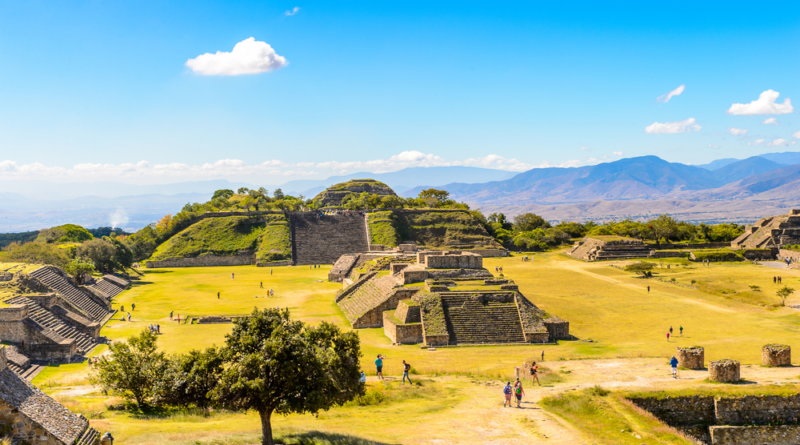
Perched majestically atop a hill near Oaxaca, Mexico, Monte Alban presents an awe-inspiring panorama of the surrounding valleys.
UNESCO Designation
This formidable archaeological site was designated as a UNESCO World Heritage Site in 1987, acknowledging its pivotal role in showcasing the architectural and artistic achievements of the Zapotec civilization that flourished over 2,500 years ago.
Architectural Marvels
Monte Alban boasts extensive structures, including towering pyramids, intricate temples, and intriguing tombs that reflect the Zapotecs’ ingenious craftsmanship and cultural sophistication. Every step taken within the ancient avenues and plazas offers a profound glimpse into these remarkable people’s daily lives, religious practices, and societal organization. Imagine standing at the heart of Monte Alban’s main plaza, surrounded by structures steeped in centuries of history. The plaza itself stretches approximately 300 meters long and 200 meters wide, providing visitors with an immersive experience of the monumental scale and architectural grandeur that defined this ancient city.
Insightful Artifacts
Visitors who navigate the site encounter captivating carvings, intricate hieroglyphs, and artwork adorning various structures. These artifacts offer invaluable insights into the spiritual beliefs, artistic expression, and historical events cherished by the Zapotec civilization.
Enduring Legacy
Monte Alban’s centrality goes beyond its physical relics; it is a testament to the Zapotec people’s enduring legacy and cultural significance. Their astronomy, mathematics, and governance innovations provide an enduring testament to their advanced knowledge and progressive society. Just as travelers of ancient times would have gazed upon this bustling city from its elevated perch, present-day visitors can observe the unparalleled beauty that inspired the Zapotec civilization while contemplating the enduring contributions made by this remarkable culture.
In essence, Monte Alban is a timeless tribute to the ingenuity and cultural resilience of the Zapotec people. This living monument continues to inspire reverence and admiration for their enduring legacy.
As we unveil Monte Alban’s historical significance in shaping the cultural tapestry of Oaxaca, let’s delve into its impact on modern-day understanding and appreciation of Zapotec heritage.
Historical Significance of Monte Alban
Monte Alban, perched majestically atop a mountain ridge, isn’t just a collection of ancient ruins. It’s a testament to the ingenuity and vision of the Zapotec people who built it over 2,500 years ago. As one of Mesoamerica’s earliest cities, it wasn’t just a place where people lived; it was the center of their universe.
The historical importance of Monte Alban lies in its multifaceted role—it was not just a city but the beating heart of the Zapotec civilization. The layout and structures at Monte Alban illustrate advanced urban planning that reflects a well-organized and sophisticated society. The complex arrangement of pyramids, platforms, temples, and residential areas signifies careful space and resource allocation coordination.
Advancements in Urban Planning
Imagine walking through a city organized with wide streets, efficient drainage systems, strategically positioned plazas, and monumental buildings. It’s like stepping back to witness the early urban planning innovations that would influence future Mesoamerican cultures.
The architectural achievements at Monte Alban aren’t just awe-inspiring; they also tell a story about the socio-political structure of the Zapotec society. Elaborate stone carvings, hieroglyphic inscriptions, and intricate astronomical alignments communicate a deep understanding of celestial events and the establishment of power structures within the civilization.
Hub of Civilization and Trade
Monte Alban wasn’t only a city; it was a bustling center for trade, commerce, and cultural exchange. The proximity to other Mesoamerican communities made it an essential hub for interregional communication and economic growth.
The sprawling city was a melting pot for ideas, art, technology, and knowledge. Its strategic location facilitated connections with neighboring communities, fostering an environment rich in cultural diversity and innovative exchange. This confluence of influences led to the development of new artistic styles, religious practices, and technological advancements within the region.
As we unravel the layers of historical significance attached to Monte Alban, it becomes apparent that this ancient site is not simply a collection of stones but a testament to human ingenuity and progress.
Architectural Marvels of Monte Alban
Monte Alban isn’t just a bunch of old ruins – it’s an extraordinary display of human skill and ingenuity. The Great Plaza is one of the most impressive architectural achievements in Monte Alban. It’s not great just because it is large (although colossal), but because it was the city’s heart. Imagine yourself standing in the middle, surrounded by towering pyramids and grand structures, feeling the energy of all the ceremonies and important events here.
The Ball Court also captivates visitors with its meticulously designed structure. This is where ancient rituals and games were played out under the watchful eyes of spectators. As we try to understand this unconventional design, we can’t help but admire the precision and expertise that went into creating such a multifaceted space specifically designed for athletic events and possibly religious ceremonies.
The Great Plaza: A Hub of Activity
With its vast expanse, the Great Plaza was a vibrant hub for ceremonial and civic activities. This open space served as a place where people gathered to witness rituals, public announcements, and other significant events. The grandeur of the Great Plaza offers a glimpse into the scale and scope of community life in ancient Monte Alban, showcasing its cultural and social significance.
The Ball Court: Precision in Architecture
The Ball Court is a testament to the meticulous design and purposeful construction that characterized Zapotec architecture. Here, visitors can observe firsthand the detailed thought process behind creating a space tailored for athletic contests and ritualistic performances. The alignment and layout of the Ball Court underscored the importance of sports in Zapotec society while reflecting their distinctive architectural prowess.
By examining these structures, one can appreciate not only their physical features but also their role in reinforcing the socio-cultural fabric of Monte Alban. Each building tells a story about how people lived, socialized, and engaged in spiritual practices during ancient times.
Delving deeper into the architectural marvels reveals intricate designs and a profound understanding of astronomy as demonstrated by the Observatory—a testament to the Zapotec civilization’s astounding knowledge and mastery.
Unveiling Monte Alban: The Archaeological Perspective
Archaeological excavations at Monte Alban have revealed a treasure trove of artifacts that provide invaluable insights into the Zapotec civilization. These findings give us a unique window into the ancient Zapotecs’ religious beliefs, customs, and societal organization, from sculptures to hieroglyphic inscriptions.
Picture this: Archaeologists meticulously brush away dirt to reveal intricate carvings on stone tablets, preserving every fragment they unearth carefully. These artifacts are like puzzle pieces that, when put together, create a vivid picture of a long-gone society.
Hieroglyphic Inscriptions
One of the most popular legends linked to Monte Alban revolves around the belief that the god Quetzalcoatl created humans. According to Zapotec folklore, it was within the sacred confines of this revered site that Quetzalcoatl, the revered feathered serpent deity, sculpted humans out of clay. This myth serves to underscore the profound spiritual significance of Monte Alban, transforming its identity from a mere archaeological site into the very birthplace of humanity itself.
Imagine standing before a weathered stela adorned with intricate symbols and characters. Each glyph holds within it a story waiting to be unveiled, connecting us to a civilization that thrived centuries ago.
Artifacts and Sculptures
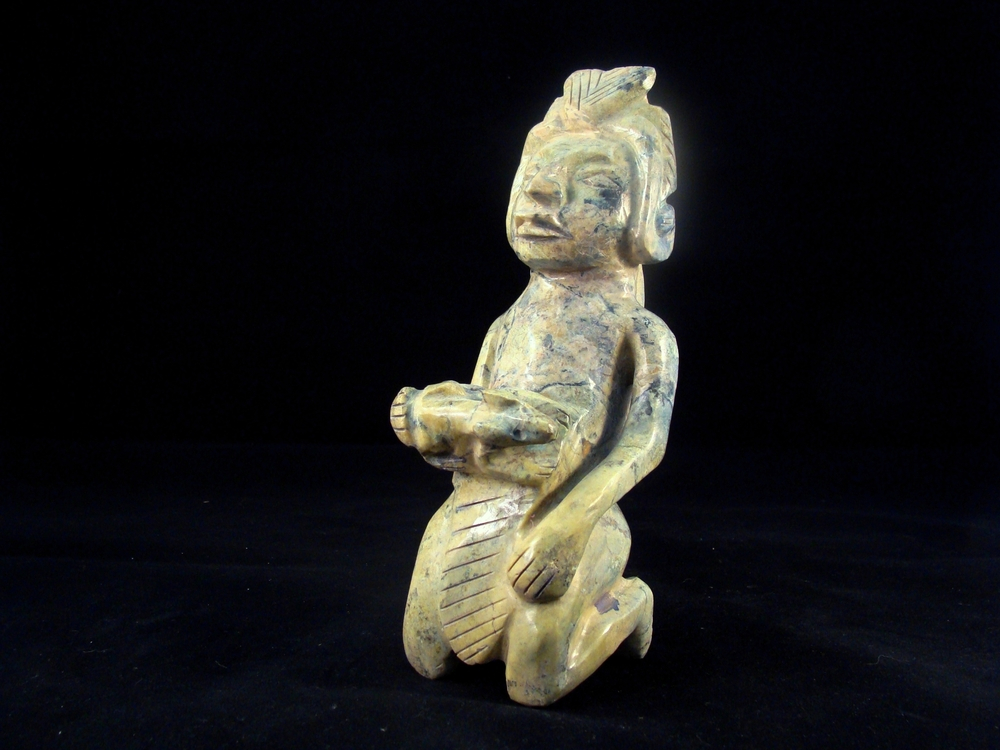
The excavation efforts at Monte Alban have yielded many artifacts and sculptures, from pottery and jewelry to tools and figurines. Each artifact serves as a window into the past, offering insights into the everyday lives and rituals of the ancient Zapotecs.
From elaborate ceramic vessels depicting scenes from mythology to delicate ornaments crafted with remarkable skill, these artifacts intertwine seamlessly, forming a vibrant tapestry that illuminates a society profoundly entrenched in artistic expression and cultural symbolism.
Understanding Society and Culture
Archaeologists have gained valuable insights into the social and cultural structures of the Zapotec civilization by studying the layout of buildings, the design of plazas, and the placement of monuments within Monte Alban.
The meticulous excavation and preservation efforts have significantly contributed to our understanding of the complexities inherent in this ancient society. It’s akin to meticulously piecing together a grand jigsaw puzzle, where each fragment represents a unique facet of Zapotec life. These fragments span from their governance structure to their religious practices, seamlessly connecting the dots of their civilization’s rich tapestry.
The artifacts and inscriptions unearthed at Monte Albán are more than just relics; they function as portals into an ancient world, a realm that continues to captivate scholars and enthusiasts alike.
Immersing ourselves in the archaeological wonders of Monte Alban reveals an ancient site that holds architectural marvels and cultural treasures that enrich our understanding of history.
Folklore and Legends Associated with Monte Alban
As you step onto the sacred grounds of Monte Alban, you are immediately enveloped in mystique and wonder. This ancient site, meticulously carved out of the Oaxacan landscape by the Zapotec civilization, is a testament to their unparalleled architectural prowess. Furthermore, it is a repository of captivating folklore and legends woven intricately into its very fabric. These stories, passed down through generations by local inhabitants, recount mythical events, heroic deeds, and the gods associated with Monte Alban. Moreover, these tales seamlessly interweave with the physical remnants of the ancient city, infusing its stone structures with vitality and inviting visitors to immerse themselves in a realm where reality seamlessly merges with the spiritual and supernatural.
Mythical Origins
One of the most popular legends associated with Monte Alban is the belief that the god Quetzalcoatl created humans. According to Zapotec folklore, it was on this revered site that Quetzalcoatl, the feathered serpent deity, formed humans out of clay. This myth underscores Monte Alban’s profound spiritual significance, thereby shaping its identity not solely as an archaeological site but as the birthplace of humanity itself.
Cultural Tapestry
The allure of Monte Alban’s folklore extends beyond mere storytelling; it is deeply ingrained in the region’s cultural tapestry. The legends testify to the enduring beliefs and traditions the local population holds. Surprisingly, 65% of the local population still believes in these folklore and legends, demonstrating their lasting impact on the community’s collective consciousness.
Moreover, these narratives have endured, passed down for over 800 years. Their enduring nature reflects their profound influence on successive generations, enriching the lives of those who call Oaxaca their home.
Embarking on a journey to Monte Alban without fully immersing oneself in its folklore is akin to observing a canvas without comprehending the intricate brushstrokes that animate it. The experience, in essence, remains incomplete without delving into the spiritual and supernatural dimensions that saturate every stone and corridor of this ancient site.
As we continue our exploration of this ancient site, peeling back centuries of history and mythology, we gain a deeper appreciation for its vibrant cultural tapestry—a spectrum woven from tangible structures and intangible myths alike.
Moving forward into our journey through Oaxaca’s rich cultural landscape, let’s uncover how Monte Alban continues influencing present-day Oaxaca.
Influence of Monte Alban in Present-Day Oaxaca
Monte Alban holds immense cultural significance for the people of Oaxaca, transcending mere interest among historians and archaeologists. This ancient Zapotec city is a beacon of pride, intricately linking present-day Oaxacans to their profound heritage. Moreover, the traditions, beliefs, and customs meticulously handed down through generations from the Zapotec civilization persistently mold the contemporary identity of Oaxaca.
Living Heritage
The enduring allure of Monte Alban becomes evident through the array of cultural events and festivals that take place in Oaxaca. These vibrant festivities include traditional dances, music performances, and artistic displays, serving as a living tribute to Monte Alban’s lasting influence on the local community.
Educational Initiatives
Monte Alban plays an integral role in educational initiatives to preserve and promote the heritage of the Zapotec civilization. Both local and international students visit the archaeological site to gain a deeper understanding of its historical significance and appreciation for the rich cultural tapestry of Oaxaca.
An exemplary event is the “Festival de los Abuelos” (Festival of the Grandparents), where elders from surrounding communities gather to share stories and wisdom passed down through generations. This festival is a testament to the enduring connection between present-day Oaxacans and their ancestral roots at Monte Alban.
Conclusion
In addition to serving as a hub for cultural enrichment, Monte Alban’s captivating allure draws tourists from across the globe. Visitors are immersed in the grandeur of this ancient city, gaining insights into its architectural marvels and historical significance. As a result, tourism bolstered by Monte Alban continues to contribute to the economic vitality of Oaxaca. The profound influence of Monte Alban resonates beyond its ancient walls, shaping the contemporary cultural landscape of Oaxaca. Its role in preserving heritage, fostering community pride, and attracting global interest underscores its enduring significance in present-day Oaxaca.
Visit this link for more detailed information on Mexican states and their cultures. Whether you’re planning a trip or want to delve deeper into Mexico’s diverse heritage, this resource has you covered.
FAQs
What is the best time to visit Monte Alban?
The best time to visit Monte Alban is during the dry season, typically from November to April. During this period, the weather is more predictable, with sunny days and minimal rainfall, making it ideal for exploring the archaeological site without interruptions. However, it’s essential to note that Monte Alban can get crowded during peak tourist seasons, so planning your visit accordingly, perhaps during weekdays or early mornings, can enhance your experience.
Are there guided tours available at Monte Alban?
Yes, guided tours are available at Monte Alban and are highly recommended for visitors seeking a comprehensive understanding of the site’s historical and cultural significance. Knowledgeable guides provide insightful commentary, pointing out key architectural features, deciphering hieroglyphic inscriptions, and sharing intriguing anecdotes about the Zapotec civilization. Additionally, guided tours offer interactive learning and engagement opportunities, allowing visitors to ask questions and delve deeper into specific aspects of Monte Alban’s history and heritage.