

Pyramids in Mexico: Discovering the Mysteries of Mexico
With its vibrant culture and intriguing history, Mexico is a destination. Its mystique is magnified by the grandeur of its ancient pyramids, offering a glimpse into the country’s past civilizations.
This article will explore these mesmerizing structures, their historical significance, and their present-day allure for locals and tourists alike.
The Magic of Mexico’s Pyramids
Mexico’s pyramids are monumental reminders of the nation’s fascinating pre-Columbian history. They serve as silent yet profound narrators of stories from the ancient civilizations of the Olmecs, Maya, and Aztecs.
Mesoamerican Pyramids and Their Unique Characteristics
Distinct from their Egyptian counterparts, Mesoamerican pyramids are typically stepped pyramids with temples atop, places where religious rites were performed. Here are some unique features:
- Step Design: The pyramids are built in a step design, composed of several platforms stacked on each other, narrowing as they rise.
- Temples at the Peak: The pyramids usually feature a temple or a sacred enclosure at the top. This space was reserved for rituals and religious ceremonies.
Notable Pyramids in Mexico

Numerous awe-inspiring pyramids are scattered across Mexico. Let’s delve into some of the most significant ones.
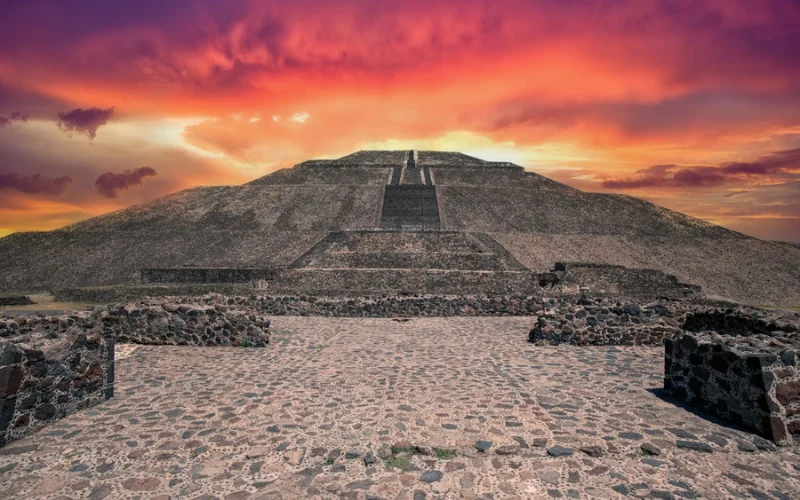
The Pyramid of the Sun, Teotihuacan
The Pyramid of the Sun is one of the largest structures in the Western Hemisphere. This colossal structure, situated in the ancient city of Teotihuacan, forms a central part of a complex city layout known as the Avenue of the Dead.
The Pyramid of the Moon, Teotihuacan
Just north of the Sun’s Pyramid lies the Moon’s Pyramid. Although smaller, it offers a striking view of the entire Teotihuacan complex. This Pyramid served as an important ceremonial centre for the Teotihuacan civilization.
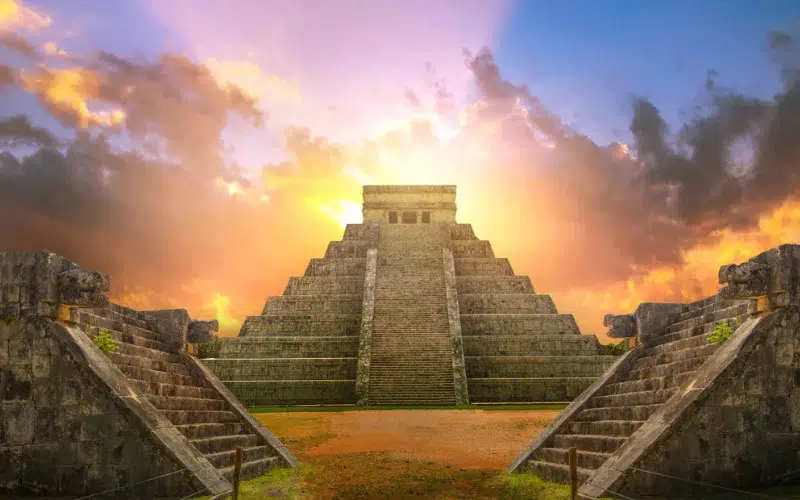
The Pyramid of Kukulkan, Chichen Itza
The Pyramid of Kukulkan, or El Castillo, in Chichen Itza, is perhaps the most famous in Mexico. Its 365 steps representing the solar year are a marvel of ancient astronomical precision.
The Great Pyramid of Cholula
Believed to be the world’s largest Pyramid by volume, the Great Pyramid of Cholula, or Tlachihualtepetl, is partly hidden under a mountain. The Pyramid houses the Church of Our Lady of the Remedies, a blend of pre-Columbian and Catholic influences.
A Journey to Mexico’s Pyramids
Travelling to Mexico’s pyramids is an exciting adventure, but it’s essential to prioritize safety. Visit How Safe is Mexico to get current safety information and travel advice.
Staying Safe While Exploring
Here are some tips to ensure your pyramid exploration in Mexico is safe and enjoyable:
- Stay hydrated and wear sun protection.
- Stick to marked paths and respect all signs and barriers.
- Be mindful of altitude sickness when climbing the pyramids.
- Always opt for a trusted tour guide.
Mexico’s Pyramids and Ancient Civilizations
The pyramids of Mexico serve as significant cultural and historical landmarks and keys to understanding ancient Mesoamerican civilizations. They offer scholars insights into these civilizations’ architectural prowess, religious practices, societal hierarchies, and astronomical knowledge. Learn more about these aspects of the Mesoamerican pyramids.
Pyramids in Mexico: A Deeper Exploration
The enigmatic pyramids of Mexico aren’t just grand physical structures; they are symbolic of the rich tapestry of culture, history, and mythology that is the hallmark of Mexico’s ancient civilizations. In the following sections, let’s explore these monuments and what they reveal about the past.
The Architectural Brilliance of Mexican Pyramids
Mexican pyramids are renowned worldwide for their architectural ingenuity and aesthetic appeal. While their exterior grandeur is undeniable, the secrets they hide within their walls are equally fascinating.
- Ingenious Construction Methods: The construction of these pyramids involved innovative techniques such as ramps, sledges, and human strength.
- Astronomical Alignment: Many pyramids, like the Pyramid of Kukulkan, were designed with precise astronomical alignments. This Pyramid, for instance, showcases a serpent-shaped shadow during the equinox, a spectacle that draws thousands of visitors annually.
- Acoustic Phenomena: Certain Mexican pyramids, including the Pyramid of Kukulkan, produce intriguing acoustic effects, indicating the unique understanding of sound physics by ancient architects.
The Mythological and Religious Significance of Pyramids
Mexican pyramids were architectural marvels and important religious and ceremonial sites.
- A Connection to the Divine: Pyramids were often seen as stairways to the heavens, connecting the earthly realm with the divine. The temples atop the pyramids were sites of prayer, sacrifices, and communion with the gods.
- Representation of Mythological Concepts: Many pyramids represent elements of Mesoamerican mythology. For instance, the Pyramid of Kukulkan is thought to be a physical representation of the feathered serpent god, Kukulkan.
The Social and Economic Role of Pyramids
The pyramids also played crucial roles in ancient Mexican societies’ social and economic spheres.
- Centres of Power: Pyramids, often the highest structures in ancient cities, symbolized power and authority. The rulers usually resided in or near these structures, reinforcing their dominance.
- Hubs of Economic Activity: The areas around the pyramids were bustling, including trade and commerce. Markets, workshops, and residential areas were typically located nearby, making the pyramids central to everyday life.
Mesoamerican Civilizations through their Pyramids
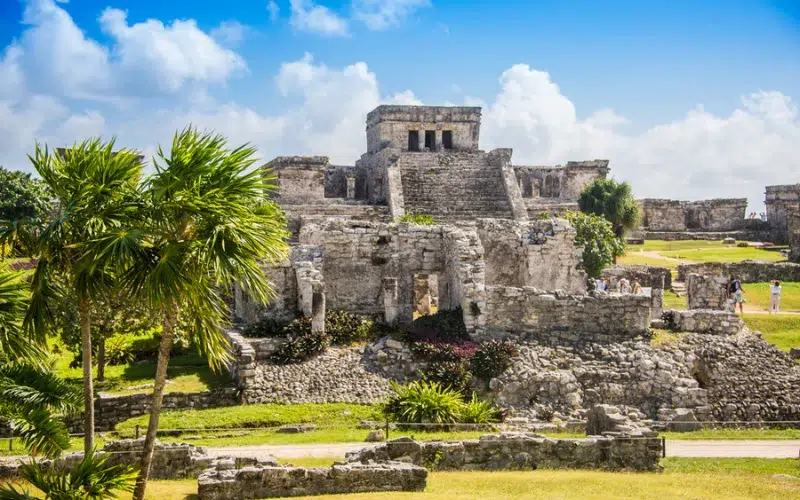
The pyramids of Mexico, each a masterpiece in its own right, offer us an intimate look into the heart of Mesoamerican civilizations. We gain insights into these ancient societies’ social dynamics, technological advances, and spiritual beliefs through their design, purpose, and cultural significance.
The Olmec Civilization
The Olmec civilization, often called the ‘mother culture’ of Mesoamerica, left behind intriguing pyramid structures. The La Venta complex, with its step pyramid, is an important Olmec archaeological site.
While we have limited information about these structures due to their antiquity and degradation over time, they undoubtedly paved the way for subsequent pyramid-building cultures in Mesoamerica.
The Mayan Civilization
The Maya, renowned for their architectural feats, constructed several majestic pyramids. These pyramids, such as the one at Tikal or the Pyramid of Kukulkan at Chichen Itza, were religious centres where the Maya performed rituals and sacrifices.
The Mayan pyramids also reflect the civilization’s deep understanding of astronomy, as evidenced by the equinox phenomenon at Chichen Itza.
The Aztec Civilization
The Aztecs, one of the last great Mesoamerican civilizations, built pyramids that were both grand and rich in symbolism. The Templo Mayor in Mexico City, with its twin temples dedicated to the god of war and the god of rain, showcases the Aztecs’ religious beliefs and practices.
Navigating Mexico’s Pyramids
Exploring Mexico’s pyramids can be a thrilling adventure. However, to make the most of your experience, here are some practical tips:
- Early Visits: Visit the pyramids early in the day to avoid the heat and the crowd.
- Comfortable Footwear: The terrain around pyramids can be uneven. Wear comfortable shoes suitable for walking and climbing.
- Respect the Site: These sites are precious historical assets. Please do not touch the carvings or litter the area.
- Guided Tours: A guided tour can enrich your understanding of the pyramids. Local guides often share intriguing stories and lesser-known facts about these sites.
A Legacy of Innovation and Spirituality
Exploring Mexican pyramids is more than a historical voyage; it’s an immersion in the Mesoamerican civilizations’ technological prowess and spiritual dimensions.
Their legacy endures not just in the physical structures they left behind but also in the spirit of innovation and the deep spiritual connection these structures represent.
Technological Triumphs of Mexican Pyramids
The technological achievements associated with pyramid construction in ancient Mexico are truly remarkable. Without the modern tools and machinery we take for granted today, these civilizations devised their solutions to architectural and engineering challenges.
- Resource Optimization: The Mesoamerican civilizations effectively utilized locally available materials like limestone, basalt, and laterite for building their pyramids.
- Advanced Mathematics and Astronomy: The precise alignment of pyramids with celestial bodies demonstrates these civilizations’ advanced understanding of mathematics and astronomy. The 365 steps on the Pyramid of Kukulkan is a classic example of this astronomical precision.
Spiritual Significance of Mexican Pyramids
For the ancient civilizations of Mexico, the construction of pyramids was not just an architectural endeavour but a deeply spiritual one.
- Cosmological Symbolism: Many pyramids were designed to reflect Mesoamerican cosmological beliefs. They were seen as sacred mountains or paths leading to the heavens.
- Ritual Spaces: Pyramids served as important centres for rituals and ceremonies. These activities were integral to the social and religious lives of these societies.
The Future of Mexico’s Pyramids
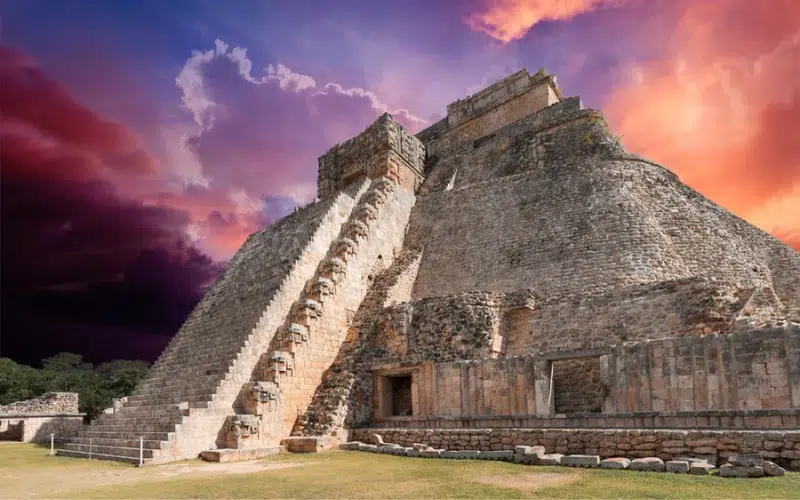
Like all historical structures, Mexico’s pyramids face the challenges of time and human activity. Conservation of these sites is crucial for their historical and cultural value and the sustainable growth of tourism in Mexico.
Government bodies like Mexico’s National Institute of Anthropology and History (INAH) and international organizations like UNESCO play vital roles in these efforts. However, visitors must respect these sites and adhere to sustainable tourism practices.
Concluding Thoughts
With their soaring heights and monumental presence, the pyramids of Mexico continue to stand tall as symbols of Mexico’s rich historical past and cultural heritage.
They tell a story of human ingenuity, civilizations that dared to reach for the skies, and a spiritual connection that transcends time and space.
To truly experience Mexico, visiting these pyramids is an absolute must. Their magnetic appeal will draw you in, and their historical significance will leave you in awe.
Be it the towering Pyramid of the Sun in Teotihuacan or the astronomical wonder of the Pyramid of Kukulkan in Chichen Itza, the memory of these structures will undoubtedly etch a permanent mark in your travelogue.
To learn more about Mexico, its culture, history, and travel safety, visit our comprehensive guide at How Safe is Mexico.