

Travel Warnings for Sinaloa, Mexico: Safety Tips for Sinaloa
If you’re considering a trip to Sinaloa, Mexico, it’s important to understand the latest travel warnings and advisories. The U.S. Department of State has issued a ‘Do Not Travel’ advisory for this region, primarily due to high risks of violent crime and cartel activities. Cities like Culiacan and Mazatlan are particularly dangerous, making it essential to exercise increased caution and avoid these high-risk areas. But what about the areas that might be safer or the specific precautions you should take? Let’s explore how you can navigate these challenges while ensuring your safety.
Key Takeaways
- U.S. Department of State issued a ‘Do Not Travel’ advisory for Sinaloa, Mexico, due to violent crime and kidnapping concerns.
- Culiacan and Mazatlan are high-risk areas with significant cartel violence.
- Federal Highway 15D in Sinaloa is unsafe; use toll roads and avoid nighttime travel.
- Exercise caution regarding public behavior, drug laws, and respect for local customs.
- Limited LGBTQ+ rights in Sinaloa necessitate discretion regarding sexual orientation and public displays of affection.
Current Travel Advisories
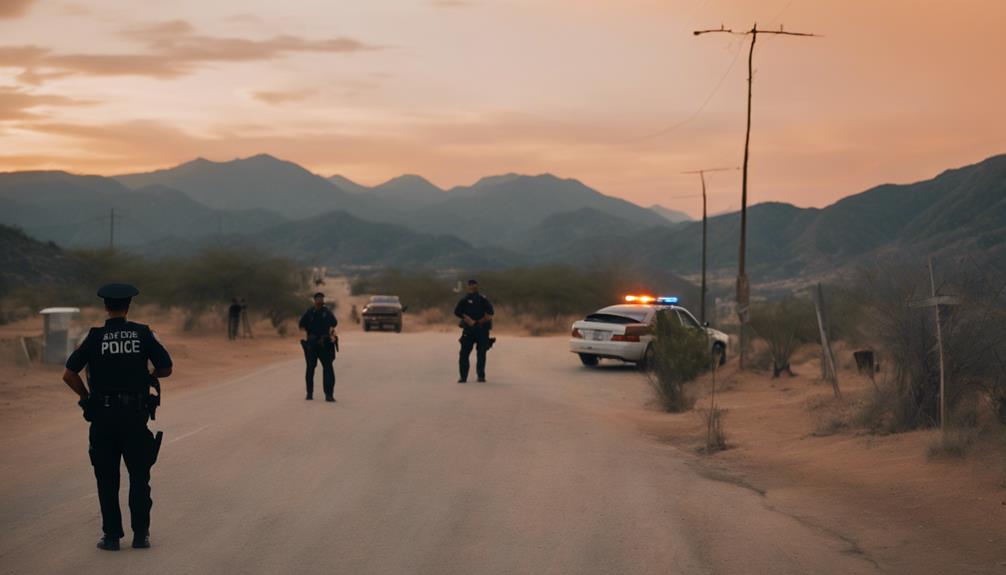
The U.S. Department of State has issued a ‘Do Not Travel’ advisory for Sinaloa, Mexico due to escalating crime and kidnapping concerns. This advisory highlights the severe risks you might face if you decide to travel to this region. The situation is so dire that even U.S. government employees in Sinaloa have strict travel restrictions. They face limitations on travel routes and transportation modes, underscoring the severity of the violent crime plaguing this area.
Travel restrictions for government employees serve as a stark indicator of the dangers you could encounter. The advisory aims to safeguard you by emphasizing the high risk of violent crime and kidnapping. Given these conditions, reconsider any plans to travel to Sinaloa to guarantee your safety.
High-Risk Areas
When traveling to Sinaloa, you should be aware of several high-risk areas. Notorious crime zones like Culiacan and Mazatlan are heavily influenced by cartels, making them particularly dangerous. Unsafe travel routes also pose significant risks, so it’s important to stay informed and cautious.
It’s essential to research the current security situation in Sinaloa before planning your trip. Stay updated on any travel advisories and consider hiring local guides for added safety. Remember to always prioritize your well-being and take necessary precautions to ensure a safe and enjoyable visit.
Notorious Crime Zones
In Sinaloa, specific hotspots like Culiacan and Mazatlan stand out as notorious crime zones plagued by cartel violence. These cities are infamous for their high levels of crime and gang activity, making them high-risk areas that travelers should approach with extreme caution. The U.S. Department of State has issued a ‘Do Not Travel’ advisory for Sinaloa, emphasizing the significant dangers present in these regions.
When visiting Sinaloa, it’s vital to stay informed about the current situation and avoid these high-risk areas. Prioritize your safety by steering clear of Culiacan and Mazatlan, and always heed travel advisories and local advice.
Cartel-Influenced Regions
Many regions in Sinaloa are heavily influenced by cartels, making them high-risk areas where violence and crime are prevalent. The Sinaloa Cartel, one of the most notorious drug trafficking organizations, has a stronghold in this region. This dominance results in frequent cartel violence, with incidents such as shootings and conflicts being all too common.
You should exercise increased caution when considering travel to places like Culiacán and Mazatlán. These areas, known for their beautiful landscapes and vibrant culture, are unfortunately overshadowed by the dangers posed by ongoing cartel activities. Drug trafficking operations contribute greatly to the instability, leading to unpredictable and often dangerous situations.
Travel warnings strongly advise against non-essential travel to these high-risk areas. The constant threat of violence makes it essential for you to stay informed about the security situation before planning any visit. Monitoring local news and government travel advisories can help you make safer decisions.
While Sinaloa has much to offer, the risks associated with cartel-influenced regions shouldn’t be underestimated. By staying vigilant and cautious, you can better navigate the complexities and dangers that come with traveling in these areas.
Unsafe Travel Routes
Given the high levels of crime and violence, travel routes in Sinaloa, particularly on Federal Highway 15D, are considered unsafe and pose significant risks to travelers. The FCDO advises against all travel to Sinaloa, including major cities like Culiacan, due to the presence of organized crime and frequent violent incidents. Federal Highway 15D, a major thoroughfare, has been the site of numerous criminal activities, making it one of the most unsafe travel routes in the region.
When traveling in Sinaloa, you’re not just at risk on Federal Highway 15D. Other high-risk areas include parts of the Sierra Madre Occidental mountain range, which are notorious for drug cartel activity. These regions are highly insecure, and the likelihood of encountering violence is significant.
Even in cities like Mazatlan, known for their tourist attractions, violent incidents have occurred, warranting extreme caution.
It’s essential to heed travel warnings and avoid these unsafe travel routes in Sinaloa. The risks posed by organized crime and potential violent encounters make it imperative to stay informed and prioritize your safety. Always consult the latest FCDO advisories before planning any travel to this region.
Safe Cities to Visit

When considering safe cities to visit in Sinaloa, you’ll find Mazatlan, Culiacan, Los Mochis, Topolobampo, and El Fuerte offer unique experiences and secure environments for travelers. Each of these tourist destinations has its own charm and attractions, making them ideal places to explore while keeping travel precautions in mind.
Mazatlan is famous for its beautiful beaches, vibrant nightlife, and rich cultural heritage. You can enjoy sunbathing, surfing, and sampling local cuisine.
Culiacan, the capital, offers historical sites, museums, and a culinary scene that shouldn’t be missed. It’s a great place to immerse yourself in the local culture.
Los Mochis serves as a gateway to the Copper Canyon, making it perfect for outdoor enthusiasts interested in hiking and birdwatching.
Topolobampo, a picturesque port town, offers fishing opportunities and ferry connections to Baja California, making it a convenient stop for travelers.
El Fuerte, a UNESCO World Heritage site, boasts well-preserved colonial architecture and a charming atmosphere. Strolling through its historic streets provides a glimpse into the past.
While these cities are considered safe, always stay vigilant and follow general travel precautions to guarantee a pleasant trip.
Government Travel Guidance
The U.S. Department of State has issued a ‘Do Not Travel’ advisory for Sinaloa, Mexico due to high levels of crime and violence. This warning is particularly significant for government employees in Mexico, who face significant travel restrictions within the state. You should know that these employees have limited access to certain areas, reflecting the heightened security concerns that permeate the region.
If you’re considering a trip to Sinaloa, it’s important to understand that the advisory isn’t just a suggestion—it’s a serious precaution. The U.S. government has identified specific regions within Sinaloa where travel is especially dangerous, and this has led to even more severe restrictions for its personnel. These measures are in place to protect against the prevalent risks of violent crime, which include homicide, kidnapping, and carjacking.
For your safety, heed these warnings and avoid non-essential travel to Sinaloa. If you find travel unavoidable, exercise extreme caution and stay aware of your surroundings. The limitations placed on government employees underscore the severity of the situation, highlighting the importance of following official guidance to safeguard your well-being.
Crime and Safety

Sinaloa, Mexico, faces serious safety concerns due to its high levels of violent crime and organized criminal activities. The U.S. Department of State has issued a ‘Do Not Travel’ advisory for Sinaloa because of the significant risks posed by crime and kidnapping. If you’re planning a trip to this region, it’s important to exercise extreme caution. Avoid displaying signs of wealth and always be aware of your surroundings.
Incidents of armed robbery, carjacking, and express kidnappings are common in Sinaloa and pose severe safety risks for visitors. Even in tourist areas like Mazatlán, where there might be a higher police presence, you should remain vigilant and take necessary precautions. Here’s a quick overview of key points to remember:
| Crime Type | Recommended Precaution |
|---|---|
| Armed Robbery | Avoid isolated areas and stay alert |
| Carjacking | Keep car doors locked and windows up |
| Express Kidnappings | Avoid displaying wealth |
| General Safety Risks | Stay aware of surroundings |
Keep these travel warnings in mind to guarantee your safety. By staying informed about the current crime situation, you can better protect yourself and enjoy a safer travel experience in Sinaloa.
Health Precautions
While staying safe from crime is important, you should also pay attention to health precautions to guarantee a trouble-free trip to Sinaloa. First and foremost, drink only bottled water and avoid tap water to prevent waterborne illnesses.
It’s essential to protect yourself against mosquito-borne diseases like Zika, dengue, and chikungunya. Use insect repellent and wear long sleeves and pants, especially during dawn and dusk when mosquitoes are most active.
Food safety is another vital consideration. Be cautious about where and what you eat to avoid gastrointestinal issues like traveler’s diarrhea. Stick to well-cooked foods and avoid street vendors if you’re unsure about their hygiene practices.
Given Sinaloa’s warm climate, protect yourself against sunburn and UV radiation. Always use sunscreen, wear a hat, and bring along sunglasses to shield your eyes from the sun.
Additionally, it’s wise to carry a basic first aid kit. Include medications for common ailments and any specific prescriptions you might need during your travel.
Transportation Safety

When traveling in Sinaloa, you’ll need to be extra cautious with your transportation choices. Public transport can be risky, and road travel might expose you to hazards like roadblocks and checkpoints.
It’s best to avoid traveling at night and consider using secure ride-sharing services.
Public Transport Precautions
Are you aware of the safety measures you should take while using public transportation in Sinaloa, Mexico? It’s important to exercise increased caution due to various safety concerns.
When you’re on public transportation, always stay vigilant for pickpocketing and theft. These crimes are common on buses, taxis, and even trains, so keep your belongings secure and be aware of your surroundings.
Avoid traveling alone, especially at night. It’s much safer to have a companion with you. If you can’t avoid solo travel, make sure to inform someone about your travel plans and estimated arrival times.
Using reputable transportation services or ridesharing apps can greatly enhance your safety. Apps like Uber or well-known local services offer an added layer of security compared to hailing a random taxi on the street.
It’s also wise to avoid displaying valuables like jewelry, expensive gadgets, or large amounts of cash. By keeping a low profile, you reduce the risk of becoming a target.
Road Travel Risks
Driving in Sinaloa, Mexico comes with significant risks due to the high levels of violent crime, including carjackings and armed robberies. If you plan on hitting the road, it’s important to stay vigilant and take necessary precautions.
Criminal organizations operate throughout the state, increasing the potential for dangerous road-related incidents. To mitigate these risks, consider the following tips:
- Use toll roads whenever possible: Toll roads are generally safer than free highways. They’re better maintained and have more security measures in place.
- Avoid driving at night: Traveling after dark increases the likelihood of encountering criminal activity. Stick to daytime travel to reduce your risk.
- Don’t drive alone: Having a companion can deter potential attackers and provide assistance if something goes wrong.
- Be vigilant at vulnerable locations: Places like gas stations and rest stops can be hotspots for crime. Stay alert and minimize the time you spend at these locations.
Ride-Sharing Safety Tips
Taking a ride-sharing service in Sinaloa, Mexico can be safe if you follow some essential safety tips. First, always use authorized ride-sharing services. These companies are regulated and have safety measures in place, giving you peace of mind during your travels.
Before getting into the vehicle, verify the driver’s identity and the vehicle details. Check the car’s make, model, and license plate number against what’s shown in the app. Confirm the driver’s name and photo as well. This simple step can help guarantee you from getting into the wrong car.
Sharing your ride details with a trusted contact is another effective safety measure. Most ride-sharing apps allow you to share your trip’s route and ETA with friends or family. This keeps someone informed about your whereabouts and ensures added security.
Avoid sharing personal information or engaging in sensitive conversations during your ride-sharing trips. Keep the conversation light and general to protect your privacy.
Lastly, report any suspicious behavior or concerns to the ride-sharing company and local authorities. Don’t hesitate to speak up if something feels off. Following these ride-sharing safety tips can help secure a worry-free experience in Sinaloa, Mexico.
Natural Disaster Risks
Due to its location on the Pacific coast, Sinaloa faces considerable risks from natural disasters like hurricanes and tropical storms. During the hurricane season, which typically runs from June to November, the state is especially prone to flooding, landslides, and strong winds. Coastal areas are particularly vulnerable to storm surges and heavy rainfall. To stay safe, you should keep an eye on weather warnings and adhere to any evacuation orders issued by local authorities.
To mitigate risks, consider these preparation measures:
- Secure your property: Reinforce windows and doors and bring outdoor furniture inside to prevent damage.
- Emergency supplies: Have essentials like water, non-perishable food, medications, and first aid kits ready.
- Evacuation routes: Familiarize yourself with local evacuation routes and have a plan in place.
- Stay informed: Monitor local news and weather updates regularly.
Natural disasters can be unpredictable, but with the right preparation, you can greatly reduce their impact. Always prioritize your safety and follow instructions from local authorities.
Local Laws and Customs

Understanding local laws and customs in Sinaloa is crucial for guaranteeing a safe and respectful visit. Sinaloa has strict laws against drug trafficking and possession due to its history with drug cartels. Avoid any involvement with drugs; penalties are severe and can include lengthy prison sentences. Public intoxication and drug use are also illegal, so always act responsibly if consuming alcohol.
When it comes to local customs, be mindful of modest dress and behavior, especially in religious or rural areas. Respecting these traditions helps you blend in and shows respect for the local culture. Sensitive topics like drug trafficking, cartel activity, or politics should be avoided in conversations to prevent potential conflicts.
LGBTQ+ rights in Sinaloa are limited, so exercise caution and discretion regarding your sexual orientation. Public displays of affection between same-sex couples may not be well-received, and it’s important to remain aware of your surroundings to ensure your safety.
Abiding by these local laws and customs not only shows respect for Sinaloa’s residents but also guarantees your visit is trouble-free. Being informed and respectful goes a long way in making your trip enjoyable and safe.
Emergency Contacts
In case of an emergency while in Sinaloa, you should immediately contact the local authorities and reach out to the U.S. Embassy for assistance.
The emergency assistance contact for U.S. citizens is (55) 8526 2561 from Mexico or 1-844-528-6611 from the United States. The U.S. Embassy services include help with international parental child abduction, arrests of U.S. citizens, and support for crime victims.
Given the high levels of criminal activity in Sinaloa, such as armed robbery, assaults, carjackings, and kidnappings, it’s important to stay vigilant and report any incidents right away.
Here are some key steps to ensure your safety and get the help you need:
- Contact local authorities immediately: Report any crime or suspicious activity.
- Reach out to the U.S. Embassy: Use the provided emergency numbers for immediate support.
- Enroll in the Smart Traveler Enrollment Program (STEP): Stay informed about security updates and travel alerts.
- Follow the U.S. Embassy on social media: Get the latest updates and safety advice.
Frequently Asked Questions
Is It Safe to Travel to Sinaloa, Mexico Right Now?
You might be tempted by Sinaloa’s local cuisine, cultural festivals, and tourist spots, but it’s not safe to travel there right now due to high crime and kidnapping risks. Prioritize your safety and avoid non-essential visits.
What Are the Current Travel Warnings for Mexico?
You’re advised to avoid certain areas in Mexico due to drug violence, tourist kidnappings, and regional conflicts. Check the latest travel advisories, as specific regions may have heightened risks and stricter warnings for travelers.
Is It Safe to Travel to Mexico Right Now in 2024?
If you’re planning to travel to Mexico in 2024, it’s generally safe to explore local cuisine, cultural festivals, and tourist attractions. However, stay informed about the latest travel advisories and avoid regions with safety concerns.
What Countries Have a Level 3 Travel Warning?
You’ll find several countries with Level 3 travel advisories due to regional threats and security concerns. Check embassy alerts for updates on locations like Haiti, Turkey, and Lebanon to stay informed and safe during your travels.
Conclusion
When planning your trip to Sinaloa, Mexico, it’s important to stay informed and cautious. Avoid high-risk areas like Culiacan and Mazatlan, and always follow local advisories.
Despite the risks, some cities are safer, but you should still exercise increased caution. Familiarize yourself with government travel guidance, local laws, and safety tips.
Keep emergency contacts handy, and remember, your safety should always come first. Travel smart and stay safe.