
Discover Villahermosa: Your Ultimate Travel Guide & Tips
When you think of Villahermosa, you might picture a city that gracefully balances its rich history with modern advancements. Nestled along the Grijalva River, this ‘Beautiful City’ offers a unique blend of colonial and contemporary architecture that tells a story spanning centuries. As you walk its well-organized streets, you’ll find preserved historical sites standing alongside modern developments, creating a fascinating juxtaposition. Curious about how Villahermosa evolved into a strategic commercial hub and what symbols represent its vibrant culture? Let’s explore this intriguing Mexican city further and uncover its many layers.
Key Takeaways
- Villahermosa, located along the Grijalva River, is a strategic commercial point between Mexico City and Cancun.
- The city has a rich cultural heritage and historical ties to Spain, dating back to the early 1500s.
- Main attractions include Parque Museo La Venta, Museo Regional de Antropología Carlos Pellicer, and Yumká Zoo.
- Villahermosa offers eco-friendly transportation options with bicycle-friendly routes and scenic cycling paths.
- The urban landscape features a mix of colonial and modern architecture, with well-organized streets and preserved historical sites.
Etymology

Villahermosa, which means ‘Beautiful City‘ in English, perfectly encapsulates the city’s historical and aesthetic significance. The etymology of Villahermosa reveals its rich ties to the Spanish colonial era and its journey through various name changes.
Originally founded in the early 1500s as Santa María de la Victoria, the city’s name reflected its initial purpose and religious significance. Over the centuries, Villahermosa underwent several name changes. It was known as Villa Felipe II, in honor of the Spanish king, and later as San Juan Bautista, reflecting a continued influence of Spanish colonial culture and its importance in the region.
Each name carried its own significance, contributing to the city’s evolving identity and heritage. In 1915, the name Villahermosa was officially adopted, highlighting its beauty and historical importance. This final name change encapsulated both the aesthetic appeal and the historical depth of the city.
Symbols of the City
Among the most compelling symbols of the city is its Coat of Arms, granted by King Philip II in 1598. This emblem is a vivid representation of Villahermosa’s rich historical significance and deep-rooted heritage. The Coat of Arms showcases a crowned Virgin Mary, symbolizing purity and protection, which is a central figure in the city’s identity.
Alongside the Virgin Mary, you’ll find the iconic Pillars of Hercules, a symbol that speaks to Villahermosa’s connection to broader historical narratives and exploration. These pillars, inscribed with the motto ‘Plus Ultra,’ which means ‘More Beyond,’ emphasize the city’s spirit of progress and discovery.
Each element on the shield reflects a blend of the city’s cultural diversity and historical connections to various regions and traditions.
The Coat of Arms doesn’t just serve as a decorative piece; it embodies the city’s collective identity and historical journey. When you look at this emblem, you’re not just seeing a symbol; you’re witnessing a tapestry of Villahermosa’s past, present, and aspirations for the future.
It’s a powerful reminder of the city’s enduring legacy and the rich stories that have shaped its unique character.
Geography
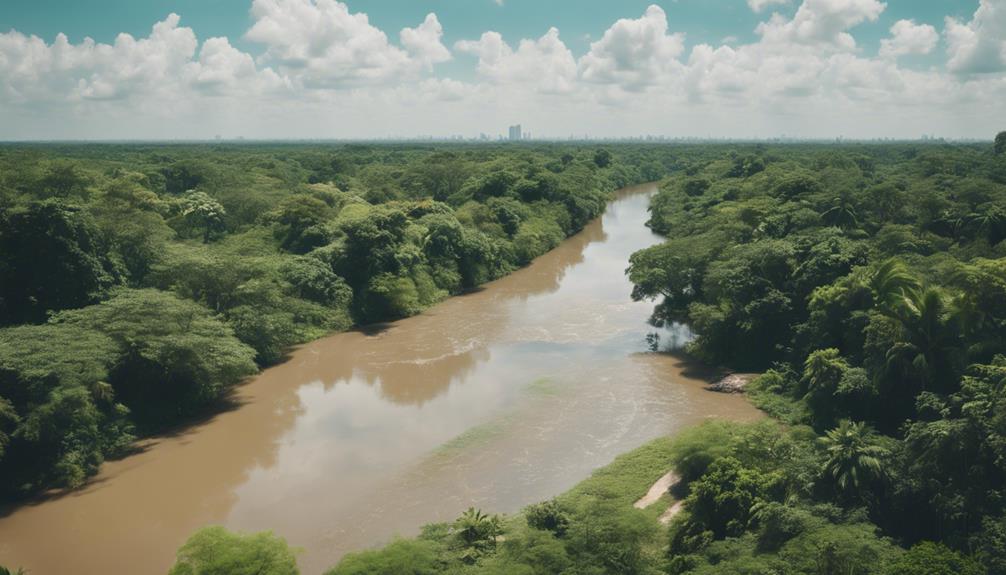
You’ll find Villahermosa nestled along the Grijalva River, just 30 miles south of the Gulf of Mexico.
The city’s tropical monsoon climate means you’ll experience hot, humid weather, especially during spring and summer when temperatures can hit 40 degrees Celsius.
Despite these challenges, Villahermosa’s natural attractions, like lush parks and scenic river views, make it a unique place to visit.
Location and Climate
Nestled just 30 miles south of the Gulf Coast, this bustling city covers an expansive area of 61,177 km². Villahermosa’s strategic location makes it a key commercial point between Mexico City and Cancun, attracting a mix of business and leisure travelers.
The city’s tropical monsoon climate brings extreme temperatures that can soar up to 40°C in the spring and summer. Coupled with humidity levels around 30%, the climate can be quite challenging if you’re unaccustomed to such conditions.
Given its climate, Villahermosa faces a few significant challenges:
- Natural Disasters: In October 2007, the city experienced a severe flood that displaced thousands, highlighting its vulnerability to natural disasters.
- Extreme Temperatures: The intense heat during spring and summer can be overwhelming, making air conditioning and hydration essential.
- Commercial Activity: Its role as a commercial point between major cities makes it a bustling hub, but this also means that infrastructure must constantly adapt to high traffic and economic demands.
Despite these challenges, Villahermosa’s unique location and climate create a dynamic environment that continues to draw people for both work and leisure.
Natural Attractions
While Villahermosa’s climate presents challenges, its natural attractions like the lush La Venta Park and the scenic Grijalva River offer invigorating escapes into nature. At La Venta Park, you’ll not only enjoy vibrant greenery but also encounter the Museo La Venta, a natural history museum that immerses you in the rich Olmec culture. This outdoor museum boasts colossal heads and intricate sculptures, transporting you back to ancient Tabasco.
The Grijalva River adds another layer of beauty to Villahermosa. Flowing serenely, it’s perfect for leisurely boat rides or simply taking in the picturesque views. The river’s significance extends beyond its beauty; it has been a lifeline for the city, especially during commercial development phases. Despite the extreme temperatures that can reach up to 40°C, the river offers a revitalizing respite.
Tabasco’s natural allure doesn’t end here. The area around Villahermosa is dotted with parks and reserves, making it a haven for nature lovers. The lush landscapes contrast sharply with the bustling city life, offering tranquility amidst the rapid commercial growth.
Colonial Age
During the early 1500s, Villahermosa, originally known as Santa María de la Victoria, began its journey through the Spanish colonial era. This period marked the beginning of its rich historical ties and architectural significance. You can trace the city’s roots back to its founding, where it played an important role in the region’s development.
The cathedral, built in 1614, stands as a confirmation of Villahermosa’s colonial heritage. Its impressive structure reflects the architectural styles of the Spanish colonial era, making it a significant landmark. As you explore the city, you’ll notice how its colonial age history is still very much alive, woven into the fabric of its streets and buildings.
Here are three key points to deepen your understanding of Villahermosa’s colonial age:
- Historical Ties: Villahermosa’s early name, Santa María de la Victoria, reflects its colonial origins and connection to Spain.
- Architectural Significance: The cathedral, among other buildings, showcases the Spanish colonial architectural style that remains influential.
- Cultural Heritage: The city’s development during the colonial age laid the foundation for its rich cultural institutions and landmarks.
These elements make Villahermosa a fascinating destination, deeply rooted in its colonial past.
Main Sights

Exploring Villahermosa, you’ll find a wealth of main sights that offer a thorough exploration of the city’s historical and cultural richness. Start your journey at the Parque Museo La Venta, where you can marvel at the colossal stone Olmec heads and artifacts, earning a solid 4.0/5 rating on TripAdvisor. Next, don’t miss the Museo Regional de Antropologia Carlos Pellicer, which houses a significant collection of Olmec artifacts and boasts a 4.5/5 rating for its historical importance.
For a unique educational experience, visit the Casa Universitaria Cacao y Chocolate. Here, you’ll learn all about cocoa production and enjoy a tour that’s rated 5.0/5. If you’re an animal lover, the Yumká Zoo offers a safari-like experience with semi-free roaming animals, making it a fun and interactive setting, also rated 4.0/5.
Another must-see is the Parque Tomas Garrido Canabal, featuring a zoo, archaeology park, and art gallery, all contributing to its impressive 4.5/5 rating. These Villahermosa attractions provide a rich tapestry of experiences that showcase the cultural and natural beauty of this vibrant city.
| Attraction | Rating | Description |
|---|---|---|
| Parque Museo La Venta | 4.0/5 | Stone Olmec heads and artifacts |
| Museo Regional de Antropologia | 4.5/5 | Collection of Olmec artifacts |
| Casa Universitaria Cacao y Chocolate | 5.0/5 | Educational tour on cocoa |
| Yumká Zoo | 4.0/5 | Safari-like experience with semi-free roaming animals |
| Parque Tomas Garrido Canabal | 4.5/5 | Zoo, archaeology park, and art gallery |
Transportation
When exploring Villahermosa, you’ll find various transportation options to suit your needs. Public transit, taxis, and ride-shares are readily available, making it easy to navigate the city.
If you prefer a more active mode of travel, the city also features bicycle-friendly routes.
Public Transit Options
How can you navigate Villahermosa with ease? The city offers a range of public transit options to make transportation straightforward and efficient. You can rely on the well-connected bus system for affordable and reliable travel. Buses in Villahermosa are a popular choice for commuting to various attractions, shopping centers, and key locations. They’re not only cost-effective but also provide a convenient way to explore the city.
Taxis are another excellent option for quick and personalized transportation around Villahermosa. Whether you’re heading to a meeting or a tourist spot, taxis offer a flexible and direct mode of travel. They’re widely available and can be hailed on the street or booked through various services.
Villahermosa’s Central de Autobuses Tabasco serves as a major terminal for inter-city bus services, connecting you to surrounding areas. This terminal is essential for those looking to travel beyond the city limits with ease.
Here are three key public transit options you can use in Villahermosa:
- Buses: Affordable and reliable for daily commuting and city exploration.
- Taxis: Ideal for quick, direct, and personalized transportation.
- Central de Autobuses Tabasco: Connects you to other cities and regions.
Taxi and Ride-shares
Getting around Villahermosa is a breeze with the availability of both taxis and ride-sharing services like Uber. Taxis are plentiful and easy to find, thanks to established taxi stands throughout the city. They operate on a metered fare system, but it’s always a good idea to verify the fare with the driver before starting your journey. This guarantees there are no surprises when you reach your destination.
Ride-sharing services offer another convenient option for transportation in Villahermosa. With Uber, you can enjoy the added benefit of cashless payment, making your ride both safe and hassle-free. Whether you’re a local or a traveler, these services provide a flexible and efficient way to navigate the city.
Here’s a quick comparison to help you decide the best option for your needs:
| Aspect | Taxis | Ride-Sharing Services |
|---|---|---|
| Availability | Taxi stands throughout the city | App-based, available on demand |
| Payment | Metered fare system | Cashless payment |
| Convenience | Easy to find at stands | Book from your phone |
| Safety | Verify fare with driver | Secure app transactions |
| User Preference | Popular among travelers and locals | Growing in popularity |
Whether you prefer the traditional taxi or the modern convenience of ride-sharing, Villahermosa has you covered for all your transportation needs.
Bicycle-Friendly Routes
Exploring Villahermosa by bicycle offers a delightful and eco-friendly way to experience the city’s scenic routes and attractions. The city is well-equipped with bike lanes and dedicated cycling paths, making it easy and safe for cyclists to navigate.
One of the most popular routes is the Malecón Carlos A. Madrazo, a scenic path along the Grijalva River that provides stunning views and an invigorating ride.
Villahermosa’s attractions are best enjoyed on two wheels. Here are three must-visit spots that are easily accessible by bicycle:
- Parque Museo La Venta: This outdoor museum features impressive Olmec artifacts and lush greenery, perfect for a leisurely bike tour.
- Casa Universitaria Cacao y Chocolate: Learn about the history and production of chocolate, an integral part of the region’s culture, without the hassle of traffic.
- Malecón Carlos A. Madrazo: A scenic ride along the river, offering picturesque views and a tranquil atmosphere.
The city’s flat terrain and warm climate make it ideal for cycling. Rental services are available, so you don’t need to bring your own bike.
Whether you’re a local or a tourist, biking through Villahermosa is an enriching and enjoyable experience.
Education
In Villahermosa, you can immerse yourself in a rich educational experience through its diverse array of museums and cultural institutions. Start your journey at Casa Universitaria Cacao y Chocolate, where educational opportunities abound. Here, you’ll explore the fascinating world of cocoa cultivation and learn about its historical significance. The museum also provides insights into the Olmec culture, making it a must-visit for history enthusiasts.
Next, head to the Museo Regional de Antropologia, which houses an impressive collection of Olmec artifacts. This museum offers a detailed look into the region’s ancient history and provides valuable context for understanding the cultural evolution of Villahermosa.
Another key destination is the Casa Museo Carlos Pellicer, dedicated to the life and works of this prominent local figure. This museum offers a unique glimpse into the cultural heritage of the city through the eyes of Carlos Pellicer.
Religion
Villahermosa’s rich religious heritage is deeply rooted in Roman Catholicism, shaping much of the city’s cultural and social landscape. The majority of the population identify as Roman Catholic, and you’ll find numerous Catholic churches and religious institutions throughout the city. These places of worship not only serve as spiritual centers but also play an essential role in fostering community values and social interactions.
Religious practices are ingrained in daily life, with traditional celebrations and cultural events reflecting the city’s deep Catholic roots. You can experience this rich cultural tapestry through various festivals and observances that bring the community together in joyous and reflective moments.
Here are three key aspects of Villahermosa’s religious landscape:
- Traditional Celebrations: Major Catholic holidays like Easter and Christmas are celebrated with grand processions, masses, and communal feasts.
- Cultural Events: Events such as the Feast of Our Lady of Guadalupe showcase both faith and local customs, strengthening community ties.
- Diverse Religious Landscape: While Catholicism is predominant, the city also accommodates smaller Christian denominations and minority faith communities, contributing to a diverse religious environment.
Urbanism
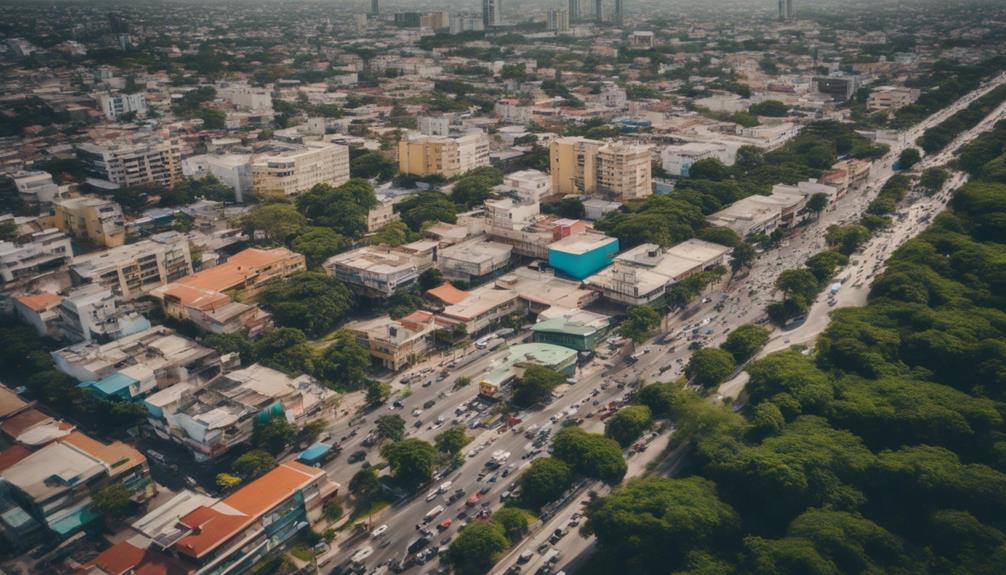
The city’s urban landscape seamlessly blends colonial charm with modern amenities, offering a unique experience for residents and visitors alike. Villahermosa’s urban development skillfully integrates colonial architecture with modern structures, creating a visually stunning environment. As you walk through the city, you’ll notice the harmonious coexistence of historical landmarks and contemporary buildings.
Urban planning here prioritizes pedestrian-friendly areas and efficient traffic flow, making it easy for you to navigate the city. Wide avenues and green spaces contribute to a well-organized street grid, enhancing both accessibility and aesthetics. The preservation of cultural heritage is evident in the meticulous upkeep of colonial-era buildings, which stand proudly alongside new developments.
| Feature | Description |
|---|---|
| Urban Development | Mix of colonial and modern architecture |
| Pedestrian-Friendly Areas | Designed for easy walking and accessibility |
| Efficient Traffic Flow | Well-organized streets and avenues |
| Historical Landmarks | Preserved colonial buildings and sites |
| Cultural Heritage | Blend of historical and contemporary elements |
Villahermosa’s dedication to preserving its rich history while embracing modernity makes it a unique urban center. The city’s thoughtful design ensures that you can enjoy both its historical charm and modern conveniences without feeling overwhelmed.
Frequently Asked Questions
Is Villahermosa Safe to Visit?
You’ll find that crime rates have improved, especially in tourist areas. Use public transportation cautiously, be aware of local scams, and follow travel advisories. Nightlife safety can vary, so keep emergency contacts handy for peace of mind.
What Is Villahermosa in English?
Villahermosa translates to ‘Beautiful City’ in English. You’ll find historical significance, cultural festivals, local cuisine, tourist attractions, architectural landmarks, natural beauty, and indigenous heritage that make this city a must-visit destination.
What Is the Elevation of Villahermosa?
You’re curious about the elevation, which is just 10 meters above sea level. Given the climate conditions, you’ll enjoy exploring historical landmarks, cultural festivals, local cuisine, transportation options, nearby attractions, and shopping centers despite potential flooding.
Conclusion
In Villahermosa, you’ll experience a unique blend of history, culture, and modernity.
As you wander through its well-organized streets, you’ll find colonial charm and contemporary flair coexisting seamlessly.
The city’s rich heritage is showcased in its museums and historical sites, while eco-friendly options let you explore its beauty sustainably.
Whether you’re cycling along scenic paths or diving into the local culture, Villahermosa promises an unforgettable adventure.
So, why not start planning your visit today?