
Navigating the Depths of Cartel Violence in Mexico
In recent years, the surge of cartel violence in Mexico has been an international concern. This epidemic, interwoven with the intricate fabric of the country’s social, political, and economic spheres, has significantly impacted the nation’s safety statistics, influencing perceptions and realities alike.
This in-depth analysis sheds light on cartel violence’s intricacies while comparing the Mexican murder rate and the U.S. In so doing, we will use credible data and resources to provide a comprehensive viewpoint.
Root Causes of Cartel Violence
Cartel violence in Mexico stems from various factors, including poverty, lack of educational and employment opportunities, and the vast profits of the illicit drug trade.
Historical factors such as previous governmental policies and enforcement strategies have also inadvertently fueled power struggles among competing cartels.
Historical Context and the Emergence of Cartels
To comprehend the current scenario, it is essential to examine the roots of cartel formation in Mexico. Drug cartels were formed in the 1980s, and their influence has been exponentially rising since the early 2000s.
These organizations initially emerged to control drug trafficking routes but quickly diversified into various criminal activities, including kidnapping and extortion.
Socio-Economic Factors
Socio-economic factors play a pivotal role in fostering the environment where cartels can flourish. High poverty levels, unemployment, and lack of education create a breeding ground for criminal activities.
Cartels often exploit the vulnerabilities of marginalized communities, recruiting young individuals who see no other viable means of sustenance.
The Dynamics of Cartel Violence

Cartel violence is characterized by territorial disputes, competition over lucrative drug routes, and efforts to maintain dominance. Such confrontations often result in public displays of violence to instill fear and ensure loyalty.
The splintering of major cartels into smaller factions further complicates the landscape, leading to more infighting.
Territory Wars and Violence
The power dynamics among the different cartels have significantly contributed to the escalating violence in Mexico. Cartels frequently engage in territorial disputes, leading to brutal clashes and a consequent increase in the homicide rate. This violence often extends to civilians and government officials and even across borders.
Victim Profile and Cartel Modus Operandi
Cartels adopt various tactics to assert dominance, including kidnappings, executions, and community intimidations. Understanding the profile of victims, predominantly males aged between 18 and 25, and the modus operandi of these cartels is critical to developing strategies to counteract their influence and protect vulnerable populations.
Mexico Murder Rate vs. the U.S.
Drawing a parallel between the murder rate in Mexico and the U.S. gives us a comprehensive picture of the severity of the problem. We examine quantitative data and underlying factors influencing these rates to provide a balanced view.
Statistical Analysis
By analyzing the statistical data, a significant disparity is evident in the homicide rates of the two countries. According to the data available until 2021, Mexico has witnessed a continuous surge in the murder rate compared to the relatively stable rates in the U.S.
For a deeper analysis of this topic, visit our detailed report on Mexico’s murder rate vs. the U.S. on our official website.
Underlying Factors
Various factors contribute to this disparity, including differences in gun laws, socio-economic conditions, and the extent of cartel influence in the respective countries.
While the U.S. has its share of gun violence and crime, the level of cartel-related violence is much higher in Mexico, contributing significantly to the nation’s murder rate.
Government Initiatives and International Cooperation

Over the years, the Mexican government has implemented various strategies to counteract cartel power, ranging from the drug war militarization to the “kingpin” strategy, targeting cartel leaders.
International cooperation, especially with the U.S., has focused on intelligence sharing, capacity building, and joint operations to disrupt drug trafficking routes.
Mexico’s Strategy to Combat Cartel Violence
The Mexican government has initiated strategies to curb cartel influence, including military interventions and collaborations with international agencies.
Despite the efforts, the cartels have adapted and found ways to penetrate various sectors of society, including the political sphere, making the fight against them even more challenging.
Role of International Cooperation
International cooperation plays a critical role in combating cartel violence. Collaborative efforts such as information sharing, intelligence cooperation, and combined operations can contribute to dismantling the networks and influence of these cartels globally.
For further insight into international cooperation efforts, refer to this comprehensive United Nations Office on Drugs and Crime report.
Future Prospects and Recommendations
For a lasting solution, a multifaceted approach is needed. This includes strengthening law enforcement agencies, investing in education and community development, and decriminalizing certain drugs to reduce profitability. Moreover, rehabilitation and reintegration programs for former cartel members can also aid in reducing recidivism.
Developing Community Resilience
Developing community resilience is vital in the fight against cartel violence. Communities can build resistance to cartels’ influence by fostering education, creating employment opportunities, and enhancing social services.
Policy Reforms and Judicial Strengthening
Prospects for reducing cartel violence lie in the reform of existing policies and strengthening the judicial system. By ensuring speedy justice and enhancing the efficacy of law enforcement agencies, the government can make substantial strides in curbing cartel-related crimes.
Further Research and Analysis
Further research and analysis are necessary to tackle the issue effectively. Continuous monitoring of the situation and adapting strategies based on changing dynamics can help formulate effective policies.
We invite scholars and researchers to contribute to this field by accessing data and resources through organizations such as InSight Crime and Justice in Mexico.
The Socio-Cultural Impact of Cartel Violence
The societal fabric of Mexico is deeply affected by cartel activities. From influencing popular media and music to instilling a pervasive culture of fear, cartels have left an indelible mark. Many communities, however, remain resilient, maintaining their traditions and cultural festivities despite the looming threats.
Cartels and the Media
The omnipresence of cartel violence in the media has significantly influenced the Mexican psyche and its cultural representation. Movies, T.V. shows, and music have often portrayed cartel-related stories, sometimes glamorizing life while at other times highlighting the brutal realities.
This portrayal has shaped perceptions both within Mexico and internationally. Understanding the media’s role in perpetuating or combating the cartel image is paramount.
Impact on Tourism
Mexico has historically been a prime tourist destination with its rich cultural heritage and beautiful landscapes. However, cartel violence has inevitably cast a shadow over its tourism industry. Tourists are often wary due to safety concerns, leading to economic ramifications.
Regions heavily impacted by violence have witnessed a sharp decline in visitors, whereas other areas remain popular, showcasing the dichotomy in the country’s experience.
Potential visitors can consult How Safe Is Mexico to understand which areas remain safe for travel and get an in-depth breakdown.
Role of the U.S. in Cartel Dynamics

The U.S., as a major consumer of illicit drugs, inadvertently fuels the demand driving cartel operations. Also, lax gun laws have facilitated arms flow into Mexico, further empowering cartels.
Joint initiatives like the Merida Initiative reflect the mutual recognition of the shared responsibility in addressing the issue.
US-Mexico Border and Drug Trade
TMexico’s extensive border with the U.S. is a hotspot for drug trafficking. The insatiable demand for narcotics in the U.S. acts as a catalyst, driving the lucrative drug trade controlled by the cartels.
This dynamic plays a considerable role in fueling the power and influence of the cartels, making it an international rather than just a domestic issue.
American Firearms and Cartel Armament
Studies have indicated a flow of illegal firearms from the U.S. to Mexico. These weapons often end up in the hands of cartel members, escalating the intensity and lethality of violent confrontations.
The ease of acquiring firearms in the U.S. and the subsequent trafficking across the border feed into the cycle of violence in Mexico. For a more detailed exploration of this topic, this Council on Foreign Relations article offers an insightful perspective.
Grassroots Movements Against Cartel Influence
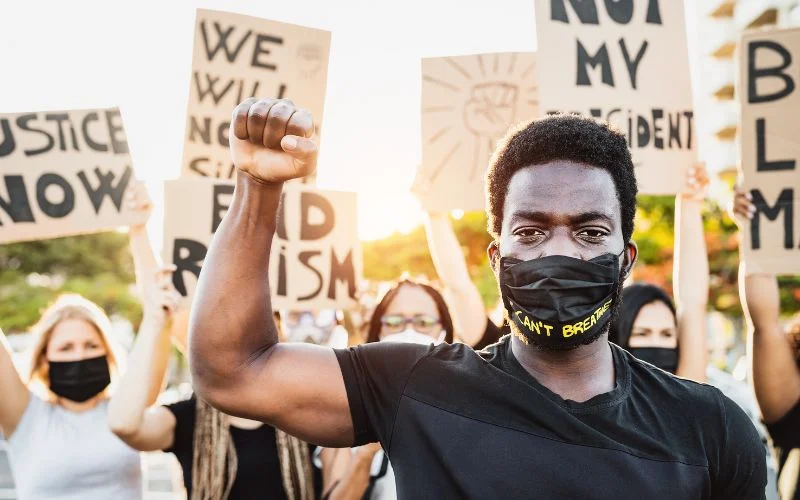
Local communities have often taken the mantle of protection in the face of cartel dominance. Though controversial, these “Autodefensas” or community self-defense groups highlight the vacuum of security in certain areas. Alongside them, NGOs and local organizations work tirelessly to provide relief and resources to affected communities.
Community Vigilantes
In regions most afflicted by cartel violence, some communities have taken matters into their own hands. These grassroots movements, often termed “vigilantes” or “community police,” seek local protection against cartels and fill the void left by official law enforcement agencies.
The efficacy and legitimacy of such groups remain subjects of debate, but their existence speaks to the severity of the situation.
Non-Governmental Organizations (NGOs) and Their Role
Several NGOs in Mexico and globally have dedicated themselves to combat the implications of cartel violence. These organizations work on various fronts, from rehabilitating victims to aiding displaced families and lobbying for policy changes.
Their grassroots approach immediately relieves affected communities and contributes to long-term solutions. One such prominent organization is Amnesty International, which has been actively documenting and advocating against human rights abuses resulting from cartel activities in Mexico.
Efforts Towards a Safer Future
Despite the challenges, various sectors are concerted in ensuring a safer future for Mexico. Technological solutions, enhanced community policing, youth engagement programs, and international partnerships are being explored and implemented. With combined efforts and a sustained focus on root causes, the vision of a peaceful Mexico is within reach.
Education and Awareness
One of the foundational steps towards a safer future is ensuring that communities are educated and aware. Schools and community centers are starting to incorporate programs to raise awareness about cartels and provide individuals with the tools to resist their allure and influence.
Technology and its Role in Combating Cartel Influence
Technological advancements offer a ray of hope. With tools like advanced surveillance systems, data analytics, and improved communication networks, law enforcement agencies have better resources to track and combat cartel activities.
For those interested in understanding the use of technology in this battle, our in-depth analysis of How Safe Is Mexico provides detailed insights.
International Pressure and Sanctions
Recognizing the problem’s transnational nature, global powers can exert pressure through diplomatic channels and economic sanctions. Targeted sanctions against cartel leaders and their financial networks can cripple their operations, reducing their power and influence.
Conclusion
While the challenges posed by cartels in Mexico are undeniably immense, the combined efforts of the Mexican government, international allies, NGOs, and the resilient Mexican populace provide glimmers of hope.
The global community must offer support, understanding, and collaboration as the nation embarks on this arduous journey toward peace and prosperity.
FAQs
What are the primary activities of cartels in Mexico?
Cartels in Mexico are predominantly involved in drug trafficking. However, their activities have diversified over the years to include illegal mining, logging, extortion, kidnapping, human trafficking, and siphoning oil from pipelines, among others.
How has cartel violence impacted Mexico’s tourism industry?
The rise in cartel violence has decreased tourism in certain areas of Mexico, especially regions heavily affected by the violence. Tourists are often advised to stay updated on safety conditions before traveling. However, many parts of Mexico, particularly popular tourist destinations, remain safe and continue to attract visitors.
What measures are being taken by the Mexican government to combat cartel influence?
The Mexican government has adopted various strategies, including military interventions, collaborations with international agencies, and partnerships with the U.S. to share intelligence and resources. However, the adaptability and influence of cartels present ongoing challenges.
How have cartels impacted the daily lives of the Mexican populace?
Cartel influence has led to a culture of fear in certain regions, affecting daily activities and even significant life decisions for many Mexicans. Businesses often face extortion in areas with heavy cartel presence, and families might be subjected to threats, leading to internal displacement.
Are there any regions in Mexico free from cartel influence?
While cartels are influential in many parts of Mexico, there are regions and cities where their presence is minimal or negligible. It’s essential for travelers and those looking to understand Mexico’s safety landscape to consult up-to-date resources and local advisories.