

Exploring Cuernavaca: A Guide to Mexico’s Historic City
Cuernavaca, known as the “City of Eternal Spring,” stuns with its beautiful natural landscapes and enduring cultural heritage. But there’s more to the city than meets the eye; for instance, wrapped up in its charming streets are surprises, such as fine examples of mural art and culinary delights you won’t find elsewhere in Mexico. So pack your bags and get ready for an immersive experience.
Cuernavaca is generally considered safe for travelers. However, as with any destination, it’s always important to exercise caution and be aware of your surroundings. We recommend staying informed about the current safety situation in Cuernavaca and following any travel advisories.
Exploring Cuernavaca

When you step foot into Cuernavaca—known as the “City of Eternal Spring”—you’re immersing yourself in a world steeped in history, culture, and natural beauty. The city’s cultural heritage is deeply intertwined with Mexico’s past, offering a multifaceted journey through time.
Embracing the Eternal Spring
The nickname “City of Eternal Spring” isn’t just a poetic phrase; it’s a reality you’ll feel when you arrive. The warm, stable climate and abundant greenery create an inviting atmosphere that enhances every aspect of exploration, whether strolling through bustling markets or admiring awe-inspiring architectural wonders.
A Rich Tapestry of History and Culture
One of the most enticing aspects of exploring Cuernavaca is its rich cultural heritage. The city played a significant role in the Spanish conquest of Mexico and has many historical sites that witness its storied past. From ancient Mesoamerican influences to the profound impact of Spanish colonialism, Cuernavaca offers a deep dive into Mexico’s complex cultural tapestry. Not only does Cuernavaca proudly showcase its historical significance, but it also presents a modern lifestyle that seamlessly intertwines with Mexican tradition. You’ll encounter a vibrant arts scene, bustling culinary delights, and a warm community that embraces local traditions and contemporary innovations.
For instance, strolling through Cuernavaca’s numerous plazas provides a firsthand look at the local customs and traditions. You might chance upon vibrant celebrations, traditional music performances, or colorful artisanal markets packed with handmade crafts. This experience bridges the gap between the city’s history and its present-day vibrancy.
Natural Marvels and Serene Landscapes
Beyond its cultural allure, Cuernavaca also boasts natural landscapes that capture the essence of Mexico’s stunning environments. The city’s proximity to diverse geographical features makes it an ideal starting point for exploring lush gardens, picturesque mountainscapes, and captivating archaeological sites—all within reach of this charming historic city.
As you can see, exploring Cuernavaca extends beyond mere sightseeing; it’s an immersive journey that unfolds the layers of Mexico’s captivating history, modern lifestyle, and natural beauty.
Every step through Cuernavaca’s streets brings a tapestry of experiences weaving together history, culture, and nature. Now, let’s embark on a guided exploration of some of the city’s top landmarks and attractions.
Top Landmarks and Attractions
Cuernavaca has historical sites and attractions that glimpse the city’s rich heritage and cultural diversity. From art museums to centuries-old churches, there’s something for every history enthusiast or art connoisseur.
Robert Brady Museum
The Robert Brady Museum is a testament to the passion and discerning eye of American artist and collector Robert Brady. Inside its walls, visitors are treated to a mesmerizing display of diverse artworks spanning various periods and cultures. The collection offers artistic inspiration and serves as a window into different eras, shedding light on the evolution of art forms across civilizations.
Established within a colonial-era mansion, the museum itself adds to the allure of the experience. Its architectural features add a layer of authenticity to the art pieces it houses, creating an immersive journey through time and creativity. Visitors are encouraged to take their time, allowing themselves to be transported into each piece’s period and context.
Borda Garden
Stepping into the Borda Garden is like entering an oasis of tranquility amidst the hustle and bustle of modern life. This 18th-century garden boasts lush vegetation, ornate fountains, and architectural elements that encapsulate the elegance of its colonial roots. As you wander through its winding paths, a sense of serenity envelops you, emphasizing the deep connection between nature and history in Cuernavaca.
Considered one of the city’s most cherished legacies, the Borda Garden is a picturesque attraction and a living testament to the region’s colonial history and the enduring beauty of its natural landscape.
Parish of Our Lady of Guadalupe
The Parish of Our Lady of Guadalupe stands proudly, adorned with ornate architecture that reflects historical significance and spiritual reverence. The church is an architectural wonder and a focal point for vibrant religious festivities that resonate with cultural importance throughout the local community.
Beyond its grandeur, the parish holds a profound spiritual significance for visitors. It represents a convergence of faith, history, and tradition, providing a rare opportunity for visitors to witness firsthand how architecture embodies collective beliefs and serves as a cornerstone for cultural identity.
As we explore these landmarks and attractions in Cuernavaca, we immerse ourselves in the city’s vibrant tapestry of art, history, and culture. Each site offers a unique perspective on the past while gracefully integrating into modern life—a testament to Cuernavaca’s enduring legacy.
Experiencing Cuernavaca’s Art and Culture
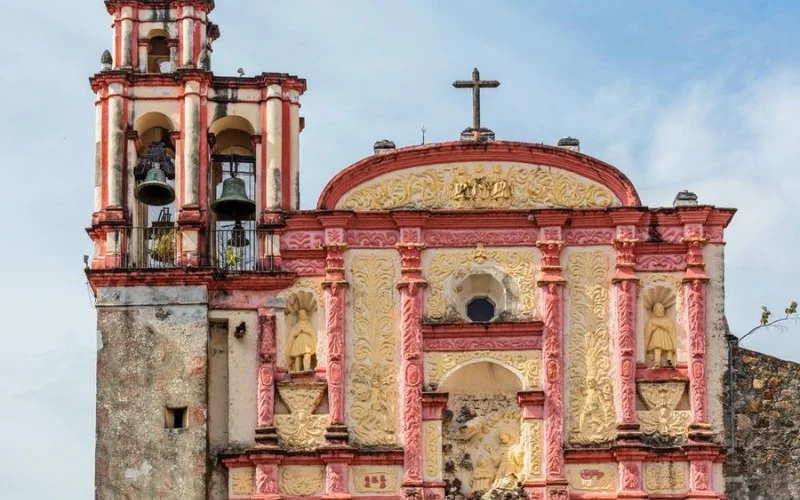
Cuernavaca is a city steeped in history, and its art and culture vividly reflect its rich heritage. A unique fusion of Mesoamerican origins and colonial influences has created a dynamic and diverse cultural scene that captivates residents and visitors. Here are some of the best ways to immerse yourself in Cuernavaca’s vibrant art and culture.
Traditional Craft Markets
When you think about traditional craft markets, what comes to mind? The colorful bustle, the sweet fragrance of freshly made goods, and the sight of skilled artisans meticulously working on their creations. In Cuernavaca, these markets are an absolute treasure trove for anyone interested in experiencing the city’s rich artisanal traditions.
Visitors can wander through the bustling stalls with intricate pottery, vibrant textiles, and unique handmade jewelry. Each piece carries centuries of local craftsmanship and represents a living connection to Cuernavaca’s historical roots.
Engaging with local artisans at these markets offers profound insight into the artistic processes unique to Cuernavaca. You may chat with a potter, shape clay into exquisite designs, or learn about traditional weaving techniques from skilled textile makers. These interactions go beyond buying souvenirs; they create meaningful connections with the city’s cultural legacy.
Local Festivals
Imagine the festive ambiance of Cuernavaca during vibrant music festivals, lively food fairs, and colorful religious celebrations. From energetic musical performances to mouthwatering culinary experiences, local festivals provide an authentic glimpse into Cuernavaca’s diverse cultural heritage.
Participating in these celebrations allows visitors to witness firsthand the fusion of indigenous customs with colonial influences, creating a captivating tapestry of traditions. Religious processions brimming with ornate costumes and traditional music honor centuries-old practices, serving as powerful expressions of Cuernavaca’s spiritual and cultural identity.
Whether you’re captivated by intricate craftsmanship or drawn to the infectious energy of local festivals, immersing yourself in Cuernavaca’s art and culture unveils a fascinating tapestry of heritage and creativity that has endured for centuries. It’s an opportunity to connect with the soul of this historic city and gain a deeper appreciation for its extraordinary cultural legacy.
After delving into Cuernavaca’s vibrant art and cultural tapestry, let’s focus on the practical aspects of navigating this historic city—commuting and getting around.
Commuting and Getting Around
Cuernavaca, with its lively streets and splendid architecture, is best explored on foot to soak in the vibrant ambiance truly. However, for longer distances or when time is of the essence, there are several convenient options to get around.
The Public Transportation Experience
The local bus system in Cuernavaca forms the lifeblood of its public transportation network. Affordable, efficient, and reliable, these buses connect various parts of the city and are a great way to travel between neighborhoods. With clearly marked routes and regular schedules, hopping on a local bus is an excellent way to experience everyday life in Cuernavaca while moving around conveniently.
While buses cover a wide area within the city, taxis provide a more direct mode of transportation for shorter distances, ensuring quick access to specific locations. Inexpensive and widely available throughout the city, taxis offer a practical solution for those who prefer not to navigate through public transit systems. When hailing a taxi, it’s advisable to look for official taxi stands or request one from your hotel to ensure safety and fair pricing.
Embracing Exploration on Foot
Beyond the functionality of public transportation and taxis, exploring Cuernavaca on foot is an entirely different experience. The historic downtown area, in particular, presents a captivating blend of colonial charm and contemporary vibrancy. Visitors are treated to an immersive encounter with Cuernavaca’s rich history and modern evolution by walking through its narrow streets and cobblestone paths.
For instance, strolling through Jardín Borda—a majestic garden steeped in history—offers an intimate glimpse into Cuernavaca’s past and a serene break from the bustling urban environment. Additionally, walking is an ideal way to reach various attractions near the city center, such as the Palacio de Cortés and the renowned Cathedral of the Assumption of Mary.
Whether you embark on a stroll or utilize the local public transport system, each mode of commuting integrates well within the spectacular tapestry that is Cuernavaca. From intimate encounters with historical landmarks to seamless journeys across neighborhoods, every avenue of exploration contributes to an enriching experience in this treasured city. In preparing for further adventures beyond Cuernavaca’s city limits, it becomes essential to consider intriguing day trips that promise diverse experiences just a stone’s throw away from this radiant city.
Suggested Day Trips from Cuernavaca

Cuernavaca is a vibrant city with a rich history and numerous attractions. However, several places offer unforgettable day trip experiences within a short distance of Cuernavaca, each with unique charm and historical significance.
Taxco: The Silver Town
Known for its colonial architecture, silver mines, and artisan silverwork, Taxco is a picturesque town just a scenic drive away from Cuernavaca. Legend has it that this town inspired the design of the Pueblo Mágico program in Mexico—a magical town designed to highlight the beauty of Mexico’s heritage. With its cobbled streets, red-tiled roofs, and stunning Santa Prisca Church, Taxco offers an enchanting escape into Mexico’s colonial past.
In addition to its architectural marvels, Taxco is famed for its skilled craftsmen, producing exquisite silverware and jewelry. Visitors can witness master artisans at work and even purchase one-of-a-kind pieces as a memento of their trip. The bustling markets offer an array of silver artifacts, making it an ideal place for those seeking unique souvenirs and wanting to immerse themselves in traditional Mexican crafts.
Xochicalco: Exploring Mesoamerican Ruins
For history enthusiasts delving into ancient civilizations, a visit to Xochicalco presents an unparalleled opportunity. Here, amidst the impressive ruins of the ancient Mesoamerican civilization, visitors can immerse themselves in a journey through time. This archaeological site not only offers a glimpse into the region’s pre-Hispanic history but also seamlessly integrates natural beauty with fascinating historical relics. Among the notable structures, the Pyramid of the Feathered Serpent and the Observatory are testament to this ancient society’s advanced knowledge and architectural prowess.
Immerse yourself in the mystique of Xochicalco as you wander through remnants of residential areas, temples, and ball courts. Whether you’re a history enthusiast or crave awe-inspiring views from ancient sites perched on hilltops, Xochicalco promises an adventure brimming with wonder and historical significance. The intricate carvings depicting deities and celestial events testify to the sophisticated understanding of art and cosmology of the indigenous people who once inhabited these lands.
With these fascinating day trips, there is no shortage of captivating destinations near Cuernavaca that offer incredible historical richness waiting to be explored. Each place provides a window into different aspects of Mexican heritage, promising an enriching experience beyond Cuernavaca’s boundaries.
As we understand the historical backdrop surrounding Cuernavaca, it becomes essential to consider the ideal times to visit this culturally rich city and maximize your exploration. It’s about seizing moments when this historic city truly comes alive.
Ideal Times to Visit
When planning your visit to Cuernavaca, timing is crucial. The best time to explore this charming city is during the dry season, from November to April. The weather is most delightful then, allowing you to relish outdoor activities and immerse yourself in Cuernavaca’s cultural attractions.
Throughout these months, you’ll encounter the perfect climate for meandering around the city’s historic sites, such as the Palacio de Cortés, wandering through the lush greenery of its parks and gardens, and indulging in the lively ambiance of local markets and street festivals. The pleasant temperatures make it ideal for strolls through picturesque streets and admiring stunning architecture without feeling overheated or confined by heavy rain.
For instance, envision taking a tranquil stroll through the Jardín Borda, a majestic garden steeped in history and beauty, adorned with blooming colorful flowers and accompanied by the soothing sound of fountains in the background.
On the other hand, while the wet season (May to October) brings verdant landscapes and lower accommodation rates due to fewer tourists, beware that sudden downpours may disrupt outdoor plans. This could be an intriguing option if you don’t mind a little rain and seek a more serene experience of Cuernavaca.
Visiting Cuernavaca during local festivals and events can enhance your trip with unique cultural experiences. To learn more about upcoming events and delve deeper into Cuernavaca’s historical contexts and modern appeal, consider visiting our website at HowSafeIsMexico.
In a city teeming with history and natural beauty, Cuernavaca offers an enriching experience for travelers seeking a blend of culture and tranquility. Whether you prefer the bustling energy of local festivals or the serenity of historic gardens, there’s something for everyone. Plan your visit wisely to maximize what this remarkable city offers.
FAQs
Is Cuernavaca a safe destination for travelers?
Cuernavaca is generally considered safe for tourists. However, like any destination, it’s essential to exercise caution and be aware of your surroundings. It’s recommended that you stay informed about the current safety situation in Cuernavaca and follow any travel advisories. Proper precautions allow visitors to enjoy the city’s rich cultural heritage and natural beauty without major concerns.
What are some recommended day trips from Cuernavaca?
Cuernavaca serves as an excellent base for exploring nearby attractions. Two popular day trips include visiting Taxco, known for its colonial architecture and artisan silverwork, and exploring Xochicalco, an archaeological site showcasing ancient Mesoamerican ruins. Both destinations offer unique cultural experiences and historical richness, enriching the overall exploration of the region.