

Traditions in Mexico: A Rich Tapestry of Culture and Heritage
Mexico, a country renowned for its vibrant traditions, boasts a rich cultural heritage that reflects its complex history. The country’s traditions, born from the fusion of its Indigenous cultures with Spanish influences, offer a colorful spectacle that captivates the heart of every visitor.
Traditions in Mexico reflect deep roots in family, religion, and community. Celebrations such as fiestas, holidays, and festivals honor ancestors and cultural values. Events such as Día de los Muertos on November 2, and December 12 for the Virgin Mary, are filled with parades, piñatas, and fireworks. Children, friends, and groups gather to enjoy traditional meals, games, and dancers. Souvenirs, street markets, and folklore showcase the nation’s diverse origins, including pre-Columbian and European influences. These rich traditions connect homes, towns, and even other countries, offering knowledge, shared values, and a vibrant cultural framework for everyone.
The Echo of Ancient Traditions
Indigenous Roots
Mexico’s traditions have their origins in pre-Columbian civilizations like the Olmecs, Maya, and Aztecs. These groups of ancestors shaped a cultural framework deeply connected to nature, animals, and the cosmos. Their traditions continue to resonate today in various facets of Mexican culture.
- Día de los Muertos (Day of the Dead): This is one of the most celebrated Mexican traditions, inscribed by UNESCO as part of the intangible cultural heritage of humanity. Día de los Muertos is a time to honor deceased loved ones, with families creating altars filled with ofrendas (offerings) such as marigolds, sugar skulls, and the favorite food and drinks of the departed.
- Guelaguetza Festival: Originating from the Zapotec communities of Oaxaca, this annual festival celebrates indigenous culture with music, dance, and traditional costumes. The Guelaguetza festival promotes cultural unity and a sense of shared identity among the indigenous communities.
- Traditional Mexican Cuisine: Recognized by UNESCO as a cultural treasure, traditional Mexican cuisine is an integral part of Mexico’s rich cultural heritage. Corn, beans, chili peppers, and tomatoes are staple ingredients in dishes like tacos, tamales, and mole.
The Spanish Influence
After the arrival of Spanish colonizers, Mexico became a unique blend of European and Indigenous cultures. This fusion introduced Catholic religion, traditional holidays, architecture, and patron saints into family traditions and fiestas.
- Cinco de Mayo: Despite common belief, Cinco de Mayo is not Mexico’s Independence Day but rather a commemoration of the Battle of Puebla. The holiday has gained greater significance in the United States as a means to celebrate Mexican-American heritage.
- Las Posadas: This tradition, which begins on December 16th and ends on Christmas Eve, reenacts Joseph and Mary’s search for shelter. Participants go from house to house singing carols, culminating in a party at a pre-designated home.
Check out the Mexican Government’s Cultural Portal for a more comprehensive understanding of Mexico’s Spanish-era traditions.
Contemporary Expressions of Tradition
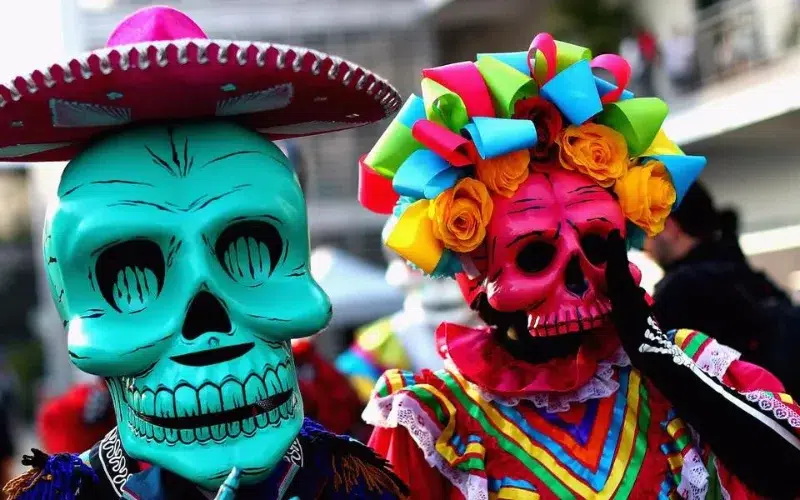
Contemporary traditions in Mexico reflect how community values, folklore, and religion evolve in response to a changing world. These expressions, found in family gatherings, school activities, and public celebrations, continue to grow while preserving their cultural origins. This fusion of the old with the new is visible in many aspects of Mexican culture.
- Mariachi Music: Mariachi music, a blend of stringed instruments, singing, and occasionally a trumpet, is a favorite at celebrations. Mariachi Vargas de Tecalitlán is one of the oldest and most respected bands.
- Lucha Libre: Mexican professional wrestling, also known as Lucha Libre, is a thrilling spectacle that combines athleticism and theatrical performances. Masked luchadors (wrestlers) like El Santo and Blue Demon have become cultural icons.
- Street Art: Mexico’s vibrant street art scene blends traditional themes with contemporary techniques. Cities like Mexico City and Oaxaca have outdoor galleries showcasing stunning murals, graffiti, and stencil art.
Keeping Traditions Alive
Across regions and generations, Mexican communities work to preserve their unique traditions and values. Local groups, including school programs and artisan collectives, play a crucial role in preserving and passing down cultural knowledge, treating heritage with respect and honor. Efforts to preserve these traditions include the National Institute of Indigenous Peoples, which works to protect the rights and cultures of Mexico’s indigenous communities.
Local initiatives and social enterprises also support artisans and promote traditional crafts, such as the handwoven textiles of Chiapas.
The Importance of Celebrations in Mexican Life
In Mexican culture, celebrations are grand occasions imbued with a rich blend of religious, historical, and local customs.
From birth to death, Mexicans mark their lives with a series of rites of passage, each accompanied by distinctive traditions and ceremonies.
Quinceañera: The Transition into Womanhood
In Mexican society, a girl’s fifteenth birthday, known as a Quinceañera, is a significant milestone. It’s a rite of passage symbolizing her transition from childhood to womanhood. The celebration typically includes a Mass of Thanksgiving and a lavish party featuring music, dancing, and a sumptuous feast.
Weddings: Unity and Joy
Mexican weddings are joyous celebrations packed with traditional rituals, symbolizing the union of two people and two families. The “lazo,” a large loop of rosary beads, is placed around the couple’s necks to symbolize their eternal union.
Another distinctive tradition is the “money dance,” where guests pay for a dance with the bride or groom, representing their wishes for a prosperous future.
Funerals: Celebrating the Cycle of Life
Mexican funerals are deeply rooted in Catholicism and indigenous beliefs. They are seen as a vital part of the life cycle, honoring the deceased and providing solace for the bereaved.
Mexicans believe in life after death, a belief reflected in the annual Day of the Dead celebrations, where the spirits of the deceased are thought to return to the Earth.
Traditional Mexican Cuisine
Mexican cuisine is renowned worldwide for its bold flavors and diverse ingredients. From street food stalls to high-end restaurants, Mexican dishes consistently delight the taste buds.
- Tacos: Tacos are one of Mexican cuisine’s most iconic and beloved dishes. They consist of a tortilla (usually corn) filled with various ingredients. Common fillings include grilled meats such as carne asada (grilled beef), al pastor (marinated pork cooked on a vertical spit), carnitas (slow-cooked pork), and chorizo (spicy sausage).
- Mole: Mole is a complex and flavorful sauce that is a hallmark of Mexican cuisine. There are several types of mole, each with its unique flavor profile. Preparing mole is a time-consuming process, often reserved for special occasions.
- Enchiladas: Enchiladas are tortillas filled with various ingredients, typically rolled up and topped with a chili sauce. The filling can include cheese, beans, chicken, beef, or a combination of these ingredients.
- Guacamole: Guacamole is a popular Mexican dip made from mashed avocados mixed with lime juice, chopped onions, tomatoes, cilantro, and chili peppers. It’s a delicious and creamy accompaniment often served with tortilla chips or as a topping for tacos and other dishes.
It’s essential to note that Mexican cuisine varies significantly by region, with each area boasting its own specialties and distinct flavors.
Whether you’re exploring the street food of Mexico City, the coastal seafood dishes of the Yucatán Peninsula, or the rich and flavorful moles of Oaxaca, traditional Mexican cuisine offers a diverse and delicious culinary experience that continues to captivate food enthusiasts worldwide.
The Role of Traditional Crafts in Mexican Culture

Traditional Mexican crafts are a vivid reflection of the country’s rich folklore, values, and ancient knowledge passed down through generations. These cultural expressions are visible in homes, markets, and town festivals across all regions of Mexico. Pottery, weaving, embroidery, and metalwork are crafts that have been passed down through generations.
- Talavera Pottery: Talavera pottery, a style of glazed ceramics introduced by Spanish artisans, features a distinct type that has made it popular worldwide.
- Textiles: Mexican textiles are famous for their vibrant colors and intricate patterns. Each region has its unique style, with some communities preserving techniques dating back to pre-Hispanic times.
- Silverwork: The city of Taxco is famous for its silver crafts. Skilled artisans create beautiful jewelry and decorative items, continuing a tradition back to the colonial period.
The Fonart (National Fund for the Promotion of Crafts) offers further insight into Mexico’s traditional crafts and supports artisans nationwide.
Mexico’s Traditions in the Global Context
Mexican culture has spread globally, embracing and celebrating Mexican traditions far beyond its borders. Cinco de Mayo, for instance, is widely celebrated in the United States.
Mexico contributes to the world’s cultural diversity through its influence. Understanding and appreciating Mexican traditions is crucial for cultural exchange and mutual respect among nations.
Music and Dance: The Rhythm of Mexican Traditions

Music and dance are intrinsic elements of Mexican traditions, often reflecting the country’s regional diversity. Every rhythm tells a story, from the lively beats of banda music in the north to the soulful tunes of son jarocho in the east.
The Vibrant Mariachi
Mariachi, the quintessential Mexican music, is more than a style – it symbolizes Mexican culture. This music, recognized by UNESCO as an intangible cultural heritage, was born in the western state of Jalisco but has found a home throughout Mexico and beyond.
The traditional mariachi ensemble consists of violins, guitars, and trumpets. Their performances are often accompanied by ‘Jarabe Tapatio,’ also known as the Mexican Hat Dance.
Son Jarocho and La Bamba
Originating from Veracruz, son jarocho is a folk musical style combining indigenous, African, and Spanish influences.
‘La Bamba,’ a traditional son jarocho song, has become internationally famous thanks to Ritchie Valens’ rock and roll version.
Banda: The Sound of Northern Mexico
Banda music, popular in northern Mexico, is a high-energy genre characterized by its use of brass and percussion instruments. The songs often tell stories about love, betrayal, and life in rural Mexico. The music style accompanies traditional dances, most notably the ‘quebradita,’ usually called the Mexican rodeo dance.
Folk Art: A Colorful Palette of Traditions

Mexican folk art represents the country’s artistic soul. This vibrant expression of creativity and skill is a window into the country’s cultural and historical landscape.
Alebrijes: Fantastical Creatures
Alebrijes are brightly colored Mexican folk art sculptures of fantastical creatures. The first alebrijes, as well as the name itself, are attributed to artist Pedro Linares. Today, you can find these vibrant sculptures throughout Mexico, particularly in the state of Oaxaca.
Papel Picado: Delicate Artistry
Papel Picado, meaning ‘punched’ or ‘pecked’ paper, involves cutting elaborate designs into sheets of tissue paper. This folk art is especially visible during the Day of the Dead and other festivals, where colorful papel picado banners adorn streets and altars.
Huichol Art: Sacred Symbols
Huichol or Wixáritari art is known for its vibrant yarn paintings and intricate beadwork. The artwork often depicts spiritual symbols and stories from Huichol mythology.
The Huichol people, living in the Sierra Madre Occidental range in central-western Mexico, maintain a deep spiritual connection to their art.
Literature and Film: Expressions of Mexico’s Heart and Soul
Mexican literature and cinema provide another window into the country’s traditions, history, and societal issues. Through their works, Mexican authors and filmmakers shed light on the unique experiences that define their homeland.
The Literary Landscape of Mexico
Mexican literature is an extraordinary blend of indigenous narratives, colonial influences, and contemporary thoughts. It plays a pivotal role in Latin American literature with authors who have achieved international recognition.
- Pre-Hispanic Literature: Mexico’s literary tradition dates back to the ancient civilizations that once inhabited the region. The Mayan’ Popol Vuh’ is one of the most significant texts from this era, recounting the creation myths and legendary history of the K’iche’ people.
- Modern Mexican Literature: The Mexican Revolution (1910–1920) was a transformative period that led to a literary renaissance. Authors like Mariano Azuela started to explore themes of social inequality and political upheaval. In the mid-20th century, writers such as Octavio Paz and Carlos Fuentes became internationally acclaimed figures, offering insightful perspectives on Mexican identity.
The Literature Network offers a wealth of information on various authors and their works, providing a deeper dive into Mexican literature.
Mexican Cinema: A Mirror to Society
From the Golden Age of Mexican cinema in the 1940s and 50s to present-day successes, Mexican films offer a fascinating insight into the country’s society and culture.
- Golden Age of Mexican Cinema: During the mid-20th century, Mexico produced a significant number of films. Actors like Maria Felix, Pedro Infante, and Cantinflas became household names. Movies from this era still hold a special place in Mexican culture.
- Contemporary Mexican Cinema: Today, Mexican directors like Guillermo del Toro, Alfonso Cuarón, and Alejandro González Iñárritu are making their mark in international cinema. Their films often explore complex themes, including social inequality, indigenous rights, and the migrant experience.
A great starting point for those interested in Mexican cinema is the Mexican Film Institute’s website.
Conclusion
Mexico, a country rich in traditions, offers an in-depth exploration of its diverse cultural heritage. Each practice, celebration, art form, and artistic expression weaves a complex narrative of a nation’s journey through history.
Engaging with these traditions provides a deeper understanding and appreciation of Mexico and its people.
Before embarking on your journey to Mexico, visit our website for safety guidelines, travel tips, and more fascinating insights into Mexico’s vibrant culture.
Experience the magic of Mexico through its glorious traditions! To learn more about Mexico’s crime rates, read on.
FAQs
1. What are some of the most important traditional celebrations in Mexico?
Some of the most significant traditional celebrations in Mexico include:
- Día de los Muertos (Day of the Dead) – A UNESCO-recognized holiday honouring deceased loved ones.
- Las Posadas – A reenactment of Mary and Joseph’s search for shelter, celebrated in December.
- Quinceañera – A girl’s 15th birthday marking her transition into womanhood.
- Mexican Weddings – Known for rituals like the “lazo” and the “money dance.”
2. How has Mexico’s indigenous heritage influenced its modern traditions?
Mexico’s Indigenous heritage plays a central role in shaping its culture:
- Festivals like Guelaguetza celebrate Indigenous identity.
- Indigenous art forms, such as Huichol beadwork and textiles, continue to be widely practiced.
- Ancient beliefs influence celebrations like the Day of the Dead, which blends Indigenous and Catholic traditions.
3. What are some examples of traditional Mexican music and dance?
Traditional music and dance are key parts of Mexican culture:
- Mariachi – A national symbol featuring violins, guitars, and trumpets.
- Son Jarocho – A coastal folk style known for the song La Bamba.
- Banda – Brass-heavy music from northern Mexico.
4. What traditional foods are central to Mexican cuisine?
Mexican cuisine is a UNESCO-recognized cultural treasure. Key dishes include:
- Tacos – Corn tortillas filled with meat, beans, or vegetables.
- Mole – A rich, complex sauce served over meats.
- Enchiladas – Stuffed tortillas topped with chilli sauce.
- Guacamole – Avocado-based dip with lime, cilantro, onion, and tomato.
5. How is Mexico preserving and promoting its cultural traditions today?
Mexico promotes its traditions through:
- Organizations such as the National Institute of Indigenous Peoples and FONART support the rights of indigenous peoples and the arts.
- Public celebrations and festivals that engage local communities.
- Global recognition and promotion of Mexican music, crafts, cuisine, and cinema.