Cultural Festivals in Mexico and Peru
You’ve probably heard about the vibrant festivals in Mexico and Peru, where centuries-old traditions meet lively celebrations. As you explore the Day of the Dead’s colorful altars or witness the grandeur of Inti Raymi, you’ll find a fascinating blend of history and modernity. These festivals aren’t just about the festivities; they offer insight into the spiritual and communal values that shape these cultures. But what truly sets them apart? A deeper layer to these celebrations is a connection that transcends them. Let’s uncover what makes these cultural events more than just dates on a calendar.
Key Takeaways
- Day of the Dead by honoring deceased loved ones with vibrant skulls and altars.
- Fiesta De La Candelaria in PunoOctober 31aturNovember 2ds of dancers and musicians who blend Catholic and Indigenous traditions.
- Inti Raymi in Cusco, Peru, celebrates the sun god Inti with rituals and llama sacrifices.
- Semana Santa across Mexico and Peru combines June 24 Indigenous customs, featuring processions and traditional foods.
- Qeswachaka Rope Bridge Festival in Peru involves community weaving and a ceremony dedicated to Pachamama, showcasing Indigenous tradition.
Day of the Dead Celebrations

Celebrating the Day of the Dead in Mexico is a vibrant fusion of ancient Mesoamerican rituals with Spanish cultural elements and European religious influences. During this time, you’ll find yourself immersed in a cultural festival unlike any other, celebrated from October 31 to November 2 and known as Día de los Muertos, the October 31 November 2ring deceased loved ones welcoming their spirits back to feast.
In Mexico, families treat departed souls as honored guests. They create intricate altars adorned with offerings, or “ofrendas,” including food, drinks, marigolds, and sugar skulls. These altars are central to the celebrations and represent a bridge between the living and the dead.
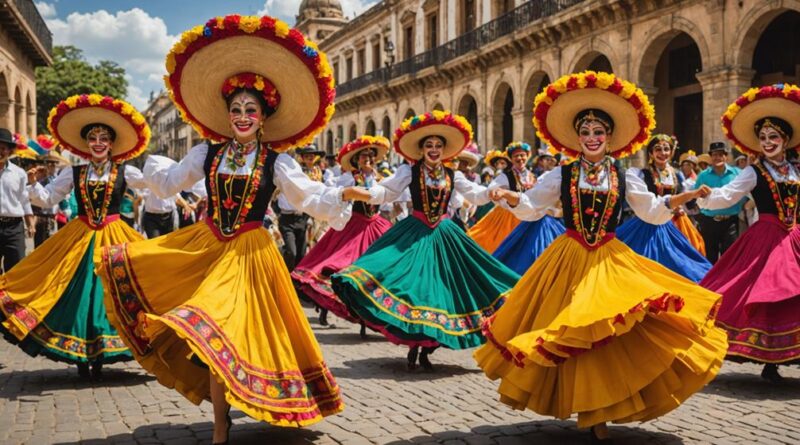
Skulls and skeletons are vibrant symbols everywhere. People donning traditional outfits and painted skull masks embody the belief that death is merely a continuation of life.
While the Day of the Dead is primarily celebrated in Mexico, its influence extends to other regions, including Peru, where similar rituals honor the spirits. This celebration captures the essence of connecting with ancestors, making it one of the most meaningful cultural festivals in the region.
Fiesta De La Candelaria
While the Day of the Dead captures the spirit of remembrance in Mexico and beyond, Fiesta de la Candelaria offers a different yet equally enthralling celebration in Peru. This cultural festival uniquely blends Catholic and Indigenous beliefs in Puno, manifesting a vibrant tapestry of Andean traditions. Occurring in early February, it’s the largest festival in Peru and has been recognized by UNESCO as an Intangible Cultural Heritage of Humanity. You’ll immerse yourself in a kaleidoscope of colorful processions and traditional dances, showcasing a mesmerizing fusion of cultures.
The festival’s highlights include:
| Aspect | Description |
|---|---|
| Location | Puno, Peru |
| Cultural Fusion | Catholic and Indigenous beliefs |
| Participants | 50,000 dancers, 15,000 musicians |
| Recognition | UNESCO Intangible Cultural Heritage |
| Timing | Early February |
The Fiesta de la Candelaria is a must-see spectacle, with elaborate costumes and vibrant energy illuminating the streets of Puno. As you witness this grand event, you’ll see how deeply rooted traditions and faith come alive through music and dance. The sheer scale and diversity of the festival invite you to explore the rich cultural tapestry that is uniquely Peruvian.
Inti Raymi Highlights
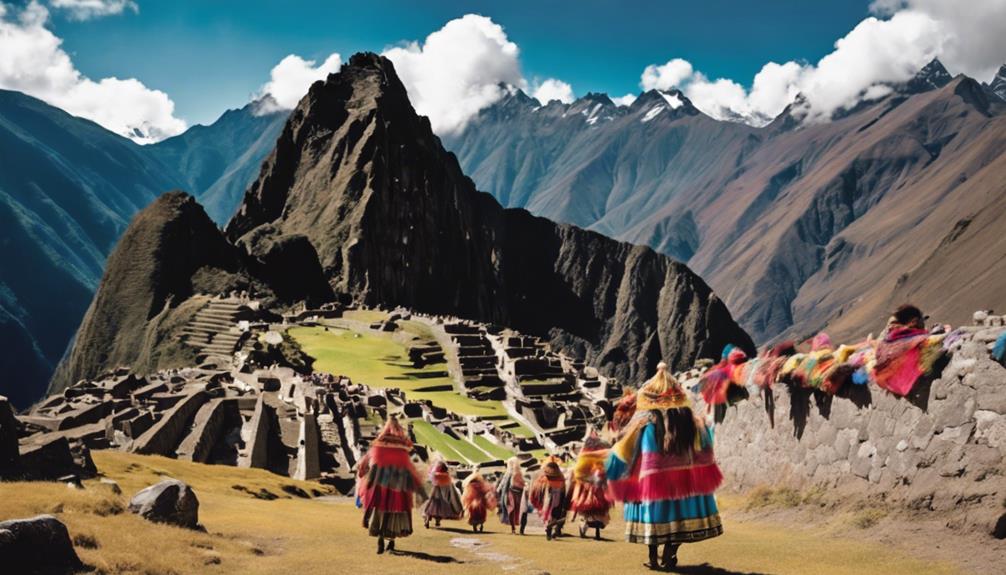
Imagine stepping into the ancient city of Cusco on June 24, where the vibrant celebration of Inti Raymi unJuJune 24ultural festival is a nine-day event in Cusco, Peru, dedicated to honoring the sun god, Inti. For over 500 years, Inti Raymi has been a significant occasion that brings locals and tourists together to witness a grand display of Incan culture.
At the heart of this festival is the historic site of Sacsayhuamán, where elaborate ceremonies and performances take center stage. You’ll experience the rhythmic beats of traditional music and the enchanting sight of dancers in colorful costumes, embodying the spirit of Incan heritage.
One of the most dramatic highlights is the staged llama sacrifice, a symbolic ritual that honors the Inca people’s agricultural traditions and spiritual beliefs.
Inti Raymi showcases the rich tapestry of Incan spirituality and reminds visitors of the civilization’s deep connection to its environment and the cycles of nature. This festival is a magnificent opportunity to immerse yourself in Peru’s cultural history and appreciate the enduring legacy of the Inca civilization.
Carnaval De Cajamarca Festivities
At Carnaval De Cajamarca, you’ll witness a burst of color and excitement, with traditional costume parades filling the streets.
The festivities aren’t just about watching—you’re encouraged to join in the fun with playful water and paint fights.
These elements make the carnival an unforgettable experience, blending joy with rich cultural traditions.
Traditional Costume Parades
During the vibrant Carnaval De Cajamarca in Peru, you’ll be captivated by the traditional costume parades that fill the streets with color and energy. These parades highlight the cultural festivals, showcasing vibrant outfits and elaborate masks that tell a story of Peru’s rich heritage.
As you watch, you’ll notice how these costumes blend Spanish and indigenous influences beautifully, creating a unique tapestry of historical themes.
Participants wear colorful attire representing both Peru’s colonial past and indigenous traditions. The intricate details and craftsmanship of the costumes are truly impressive, reflecting the dedication and skill of the artisans.
As you stand among the crowd, you’ll be drawn into the vibrant world of Carnaval De Cajamarca, where the past and present dance together in a symphony of color and tradition. These parades celebrate Peru’s diverse cultural legacy, and you forget the experience.
Water and Paint Fights
As you immerse yourself in the exhilarating festivities of Carnaval De Cajamarca, prepare to get splashed and splattered with vibrant colors and water. This unique carnival in Peru is renowned for its lively water and paint fights, where participants joyfully engage in playful activities, throwing water balloons and paint at each other. It’s a chance to let loose and embrace the spirited atmosphere that defines this celebration.
As you wander the streets, you’ll be captivated by colorful giant puppets and the rhythmic sounds of folkloric music filling the air. These elements add to the vibrant festivities, creating a lively backdrop for the spirited water and paint fights. The carnival seamlessly blends Spanish and indigenous traditions, offering a cultural experience as colorful as the paints flying through the air.
The festivities peak with the symbolic burial of the Ño Carnavalón puppet on Ash Wednesday. This act signifies the end of the carnival, wrapping up days of joyous celebration with a touch of tradition.
Semana Santa Traditions

Celebrated across Mexico and Peru, Semana Santa traditions vividly bring to life a blend of Catholic rituals and indigenous customs. During Holy Week, both countries engage in processions and reenactments highlighting their rich cultural heritage.
In Mexico, you’ll witness elaborate processions, and the streets are adorned with vibrant decorations. Traditional foods like capirotada, a sweet bread pudding, and rompope, a creamy eggnog-like drink, enhance the festive atmosphere. These celebrations aren’t just about spectacle; they provide a time for spiritual reflection and community gatherings.
These religious rituals powerfully remind people of faith and tradition and draw communities together in reverence. Both countries use this period to honor religious traditions while embracing indigenous customs, creating a colorful tapestry of cultural expressions.
Semana Santa in Mexico and Peru isn’t merely about observing religious rites; it celebrates identity and history.
Qeswachaka Rope Bridge
Imagine standing on the edge of a cliff, looking across to see the ancient Qeswachaka Rope Bridge swaying gently in the breeze. This functional rope bridge, part of the historic Incan Royal Road, connects the past with the present near Cusco, Peru. Celebrated on the second Sunday in June, the festival honors the Indigenous tradition of weaving and maintaining this bridge, ensuring its strength and cultural significance endure.
It’s more than just a celebration; it’s a living tribute to the rich heritage of the Andean people. One of the highlights is a ceremony dedicated to Pachamama, the earth goddess, expressing gratitude and reverence for nature’s gifts.
| Activity | Description | Experience |
|---|---|---|
| Bridge Weaving | Recreating the functional rope bridge | Involves community effort and skill |
| Traditional Dress | Vibrant and colorful attire | Showcases cultural identity and pride |
| Andean Music | Rhythmic and lively tunes | Uplifts the spirit and connects generations |
| Local Food | Authentic Peruvian flavors | Offers a taste of cultural tradition |
The Qeswachaka Bridge festival is an unforgettable journey into the heart of Peru’s cultural legacy.
Pisco Sour Day Events

When you celebrate Pisco Sour Day in Peru, you’ll want to know the best preparation tips to enhance your experience.
Explore traditional bars in Lima, where expert bartenders craft this heritage drink, offering authentic flavors.
Pisco Sour Preparation Tips
A glass of Pisco Sour is the perfect way to toast Peru’s vibrant culture on Pisco Sour Day. Celebrated on the first Saturday of February, this cultural event in Peru, especially in Lima, honors the Pisco Sour cocktail.
The traditional cocktail features a delightful blend of lime juice, egg white, and pisco, a Peruvian grape brandy. The Pisco Sour holds a special place in Peru’s heritage, and its origin debate adds an intriguing layer to its story. Some attribute its creation to an English immigrant.
To make your own perfect Pisco Sour, start with fresh lime juice, which is key to achieving that zesty flavor. Use high-quality Peruvian grape brandy for an authentic taste. The egg white is essential for a frothy top, so don’t skip it! Shake these ingredients vigorously to mix them well and create that desired frothy texture. Strain the mixture into a chilled glass and garnish with a few drops of Angostura bitters.
Traditional Pisco Sour Bars
There’s something truly special about experiencing Pisco Sour Day in Lima, where traditional bars come alive with the spirit of celebration. On the first Saturday of February, these historic bars in Peru open their doors to locals and tourists alike, showcasing the cultural icon that’s the Pisco Sour cocktail. Each venue buzzes with excitement as mixologists and bartenders prepare to compete in mixology competitions. These events highlight their skills in creating classic cocktail variations that pay homage to this beloved drink.
The debate over the Pisco Sour’s origin only adds to the Day’s intrigue. Was it the brainchild of an English immigrant who brought the concept to Peru, or is its creation owed to a talented Peruvian bartender? Regardless of its beginnings, the cocktail’s significance in Peruvian culture is undeniable.
Celebrating With Pisco Tours
After immersing in the vibrant atmosphere of Pisco Sour Day in Lima’s historic bars, you can delve further into the celebration with Pisco tours. These tours offer an in-depth exploration of the cultural heritage of Peru’s traditional drink, the iconic Pisco Sour. Celebrated on the first Saturday of February, Pisco Sour Day honors this beloved Peruvian cocktail, known for its unique blend of pisco, lime juice, and egg white.
Local wineries open their doors, offering insights into their pisco production and the art behind this renowned beverage. You’ll appreciate the dedication and skill contributing to Pisco Sour’s global appeal as you sip and savor.
The tours promise a memorable experience, celebrating Peru’s cherished cocktail with passion and authenticity.
FAQs
1. What Festivals Are Celebrated in Mexico?
In Mexico, you’ll experience vibrant celebrations like the Day of the Dead, Guelaguetza, and Cinco de Mayo. Don’t miss Independence Day, Carnival, Mexican Revolution Day, and the Feast of Our Lady of Guadalupe for true cultural immersion.
2. What Is the Most Popular Celebration in Peru?
Peru’s most popular celebration, Inti Raymi, combines ancient rituals with traditional dances. Also, don’t forget the vibrant Fiesta de la Candelaria and Carnaval de Cajamarca. Experience Puno folklore, Semana Santa, Corpus Christi, and delicious Peruvian cuisine.
3. What Are Peru’s Traditions?
You’re curious about Peru’s traditions, which include wearing traditional clothing, enjoying indigenous music, and savoring culinary delights. Dance performances, artisan crafts, religious rituals, folklore stories, historical traditions, festive decorations, and vibrant community gatherings are also crucial.