
Culture of San Luis Potosi: Traditions, Festivals, and Art
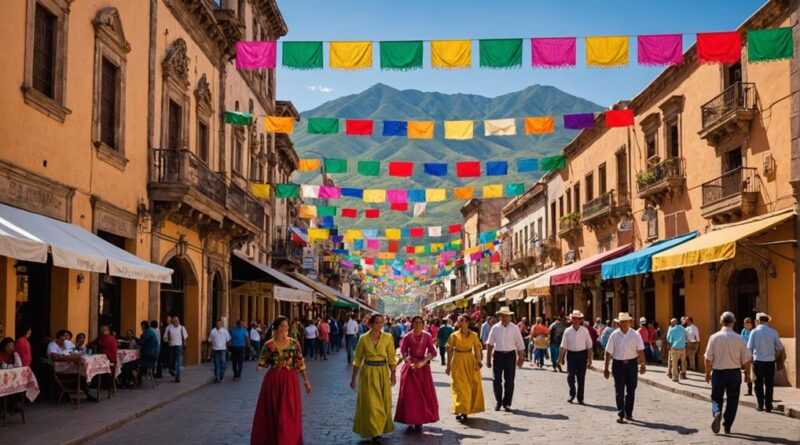
Imagine walking through the streets of San Luis Potosi, where every corner tells a story of its rich cultural tapestry. You’ll see how indigenous influences seamlessly blend with Catholic traditions, creating a unique identity. The aroma of local dishes like enchiladas potosinas invites you to explore its culinary delights. Festivals transform the city into vibrant music and dance displays, reflecting centuries-old customs. Artistic centers like the Center for Contemporary Graphics proudly showcase traditional and modern expressions. Are you curious about how these elements shape the daily life and spirit of San Luis Potosi?
Key Takeaways
- San Luis Potosi’s cuisine blends Indigenous and Catholic traditions, featuring enchiladas, potosinas, and zacahuil dishes.
- The region’s festivals celebrate cultural heritage with traditional dishes, music, and dance.
- Huasteca traditions and indigenous languages enrich the region’s cultural landscape and identity.
- Artistic centers and museums showcase local art, preserving traditional and contemporary expressions.
- Catholic architecture and religious celebrations are integral to San Luis Potosi’s cultural life.
Traditional Cuisine and Dishes
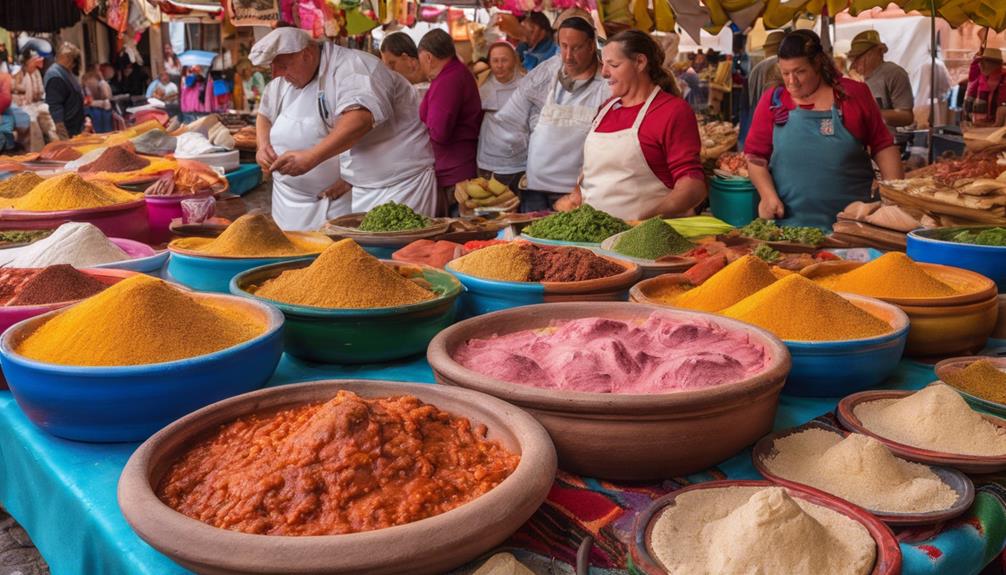
San Luis Potosí’s traditional cuisine is a vibrant tapestry of flavors that showcases the region’s rich cultural heritage. As you explore the array of traditional dishes, you’ll discover how they reflect a blend of indigenous areas and Catholic traditions. Enchiladas, potosinas, and moles are among the state’s iconic offerings, boasting a culinary legacy that speaks to its diverse roots. These dishes, infused with local ingredients, provide a true taste of the region.
In Indigenous areas, you’ll find cured meats and zacahuil, a giant tamale cooked with a unique blend of spices and fillings. These dishes highlight the area’s use of native ingredients and time-honored cooking techniques.
Meanwhile, the kitchens across the state serve gorditas de nata and mixies, presenting authentic flavors and regional pride.
Catholic traditions influence San Luis Potosí‘s cuisine, especially during religious celebrations. You can savor capirotada, a sweet bread pudding, and emeritus, a dish made with seepweed and dried shrimp, enjoyed during Lent.
Street food is another essential part of the gastronomic culture. Options like tacos de canastas and tamales are readily available, offering a delicious glimpse into the everyday lives of residents and visitors alike.
Festivals and Celebrations
Festivals and celebrations in San Luis Potosí are a vibrant mix of traditional religious events, music, and dance. From the Feast of San Miguel Archangel to the Vernacular Music Festival, these gatherings showcase the region’s rich cultural tapestry.
Don’t miss the chance to experience the diverse culinary events that highlight the state’s heritage.
Traditional Religious Celebrations
San Luis Potosi’s lively culture enriches itself yearly with traditional religious celebrations. These festivities, deeply rooted in Catholic traditions, bring people together to honor their faith and showcase their heritage. They offer a unique glimpse into the region’s spiritual life.
Throughout the year, communities participate in traditional processions and rituals, such as those honoring San Miguel Archangel and the Virgin of Purisima Concepcion. These events are more than just religious ceremonies; they reflect the shared values and historical ties that bind the people of San Luis Potosi.
As you explore these celebrations, you’ll notice the crucial role cultural entities like the Cultural Center for the Potosina Huasteca play in preserving these cherished traditions. They ensure that the stories, music, and rituals continue to thrive, connecting generations and communities.
You might be captivated by the Vernacular Music Festival or the Folklore Exhibition, which showcases the cultural richness and diversity of San Luis Potosi’s religious celebrations. By participating in these events, you become part of a living tradition, experiencing firsthand the profound connections between faith, culture, and community in this vibrant Mexican state.
Music and Dance Festivals
Moving from the spiritual to the rhythmic, music, and dance festivals in San Luis Potosi offer a vibrant celebration of cultural expression. You’ll immerse yourself in events like the Vernacular Music Festival, where traditional Mexican music takes center stage. This festival is a lively tribute to the region’s rich musical heritage, featuring performances highlighting the soulful sounds and rhythms unique to Mexico.
Dance festivals are equally enchanting, with the Folklore Exhibition a must-see event. Here, you’ll witness an array of dance traditions, each performance a testament to the diverse cultural fabric of San Luis Potosi. The “Huapango,” a traditional dance filled with energy and emotion, is often a highlight, captivating audiences with its intricate steps and vibrant costumes.
Celebrations like the San Miguel Archangel event unite the community, honoring the patron saint with lively music and dance performances. Cultural institutions play a pivotal role in promoting and preserving these traditions, ensuring each festival is a celebration and an educational experience.
Immerse yourself in these festivals, and you’ll experience the heart and soul of San Luis Potosi’s cultural identity.
Regional Culinary Events
When exploring San Luis Potosí, you’ll discover a culinary landscape rich in tradition and flavor through its regional culinary events. These events are not just about food but vibrant cultural events highlighting the state’s diverse heritage. Traditional dishes such as enchiladas, potosinas, and zacahuil take center stage at occasions like the Vernacular Music Festival and the Folklore Exhibition. They’re perfect opportunities to savor the authentic tastes of the region.
What’s more, local celebrations such as the San Miguel Archangel and the Virgin of Purisima Concepcion are not just religious or cultural markers; they’re culinary events in their own right. These gatherings showcase a multitude of culinary delights that vary across the different regions of San Luis Potosí, offering a glimpse into the longstanding traditions each community upholds.
| Event | Highlighted Dish |
|---|---|
| Vernacular Music Festival | Enchiladas Potosinas |
| Folklore Exhibition | Zacahuil |
| San Miguel Archangel Celebration | Regional Culinary Delights |
Throughout the year, San Luis Potosí’s cultural events offer you a rich gastronomic heritage to explore. Don’t miss the chance to indulge in this flavorful journey that embodies the heart and soul of the region.
Artistic and Cultural Centers
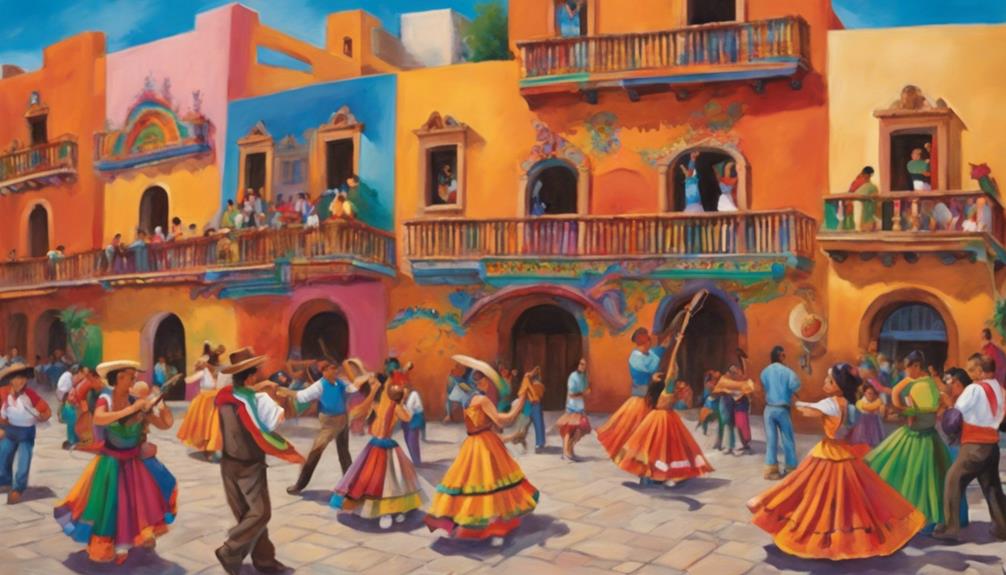
Explore the vibrant artistic and cultural scene of San Luis Potosí, where centers like the Center for Contemporary Graphics and the Cultural Center for the Potosina Huasteca bring the region’s creative spirit to life. These hubs aren’t just about modern art; they also celebrate traditional artistic expressions. You’ll find a diverse range of exhibits that showcase everything from contemporary graphics to the rich heritage of the Huasteca people.
The Cultural Center plays an essential role in preserving these traditions, offering a platform for artists to share their work through festivals and educational programs.
Attending numerous events throughout the year allows you to immerse yourself in the colorful tapestry of San Luis Potosí’s culture. Experience the excitement of the Vernacular Music Festival, where the sounds of regional melodies fill the air. The Folklore Exhibition is another highlight, capturing the essence of local customs and traditions through dance and music.
These celebrations reflect the region’s diverse artistic talents and ensure the cultural heritage remains vibrant and accessible. You’ll gain a deeper appreciation for San Luis Potosí’s rich artistic landscape by visiting these centers and events.
Indigenous Influences
You’re about to explore how indigenous influences, particularly those of the Huasteca traditions, shape San Luis Potosi’s vibrant culture. These ancient traditions have significantly impacted the local cuisine, offering unique flavors and culinary techniques.
Additionally, preserving indigenous languages like Nahuatl and Huasteco highlights the region’s commitment to maintaining its rich cultural heritage.
Influence of Huasteca Traditions
Stepping into the lively world of San Luis Potosi, you can’t help but notice the profound influence of Huasteca customs, especially in the eastern regions of the state. The Huastecs, an indigenous group with deep roots in the area, have preserved their cultural heritage through various practices, rituals, and art forms. These traditions are a testament to their rich history and unique identity.
Huasteca customs come alive through vibrant music and lively dances. For instance, the Danza de los Quetzales is an enchanting ritual that reflects the Huastecs’ spiritual connection to nature and their ancestors.
It’s not just about music and dance; the colorful costumes and intricate crafts are equally impressive, showcasing the meticulous artistry of the Huastecs.
Celebrations like Xantolo highlight the Huasteca people’s deep-seated reverence for their cultural heritage and spiritual beliefs. During these festivities, you’ll witness a fusion of the past and present, a living culture that honors its roots while embracing modernity.
The influence of Huasteca customs in San Luis Potosi offers a vivid tapestry of history, art, and spirituality that continues to fascinate and inspire.
Impact on Local Cuisine
Beyond the lively music and colorful dances of the Huasteca traditions, another compelling aspect of San Luis Potosi’s cultural richness is found on your plate. Indigenous influences shine through in the local cuisine, offering a taste of history and tradition. You’ll experience a culinary journey with dishes like cured meat and zacahuil; each showcasing traditional culinary practices handed down through generations. These dishes reflect the Indigenous communities’ creative use of local ingredients and traditional cooking methods.
Regional cuisine is a tapestry of diverse flavors and unique recipes enriched by the Indigenous influences that have shaped it. Traditional dishes like enchiladas, potosinas, and moles offer a delicious blend of Indigenous and Spanish flavors. These dishes prove the harmonious fusion of cultures in San Luis Potosi.
Explore the indigenous area’s distinct culinary traditions, where ancient recipes and customs are still cherished. Here’s a glimpse into some key elements of this vibrant cuisine:
| Traditional Dish | Key Ingredient |
|---|---|
| Zacahuil | Corn dough and pork |
| Enchiladas Potosinas | Chili paste and cheese |
| Molotes | Filled corn dough |
| Cured Meat | Salt and spices |
Dive into these flavors and savor the rich heritage!
Preservation of Indigenous Languages
San Luis Potosí celebrates its rich cultural tapestry by actively preserving its Indigenous languages. With 15% of the population being Indigenous, groups like the Nahuatl and Huastec enrich the region’s cultural heritage greatly. Their influence is evident in various carefully preserved linguistic practices and expressions.
The community understands that indigenous languages are more than just a means of communication; they’re an essential part of their identity and history.
San Luis Potosí implements educational programs focusing on teaching and promoting Indigenous languages to keep them alive. Schools in the region incorporate these languages into their curriculums, ensuring that younger generations can appreciate and use them. This helps in language preservation and fosters a deeper understanding of these languages’ cultural heritage.
Cultural initiatives also play a pivotal role. Traditional music, dance, and art forms give indigenous languages a vibrant platform. These expressions allow you to experience the indigenous influence firsthand, offering a glimpse into a world where language and culture are intertwined.
Catholic Traditions

Amidst San Luis Potosi’s lively culture, Catholic traditions hold a deeply ingrained significance, reflecting centuries of Spanish influence. As you explore the region, you’ll notice how these traditions shape everyday life, with festivities and religious celebrations taking center stage.
Locals honor various saints and Catholic rituals yearly through colorful processions and lively gatherings affirming their strong religious identity. These events aren’t just about rituals; they’re vibrant social occasions that unite the community.
You’ll also find that food plays an essential role in these celebrations. Traditional dishes often carry symbolic meanings tied to Catholic customs and holidays. Whether it’s a special bread baked for a saint’s day or a savory dish served during a religious festival, the fusion of food and faith is unmistakable. These culinary delights offer a taste of the region’s rich cultural heritage, inviting you to savor more than just flavors.
As you explore San Luis Potosi further, the ornate architecture of its churches and cathedrals will captivate you. These structures are enduring symbols of Catholic influence, showcasing intricate designs and religious artistry that tell stories of faith and tradition.
Charter for Cultural Rights
In San Luis Potosí, the Charter for Cultural Rights invites you to embrace the city’s rich cultural diversity by recognizing and celebrating its linguistic and spiritual practices.
It enhances participatory governance by incorporating culture into public policies and empowering communities to have a voice in decision-making.
This approach fosters inclusivity and equality and guarantees preserving and promoting the city’s cultural assets for future generations.
Embracing Cultural Diversity
The Charter for Cultural Rights in San Luis Potosí serves as an essential blueprint for promoting the city’s cultural fabric by guaranteeing rights for all residents. Acknowledging and valuing cultural diversity ensures that San Luis Potosí’s diverse identities are celebrated and protected.
This Charter fosters an inclusive environment and actively contributes to sustainable development by embracing the rich tapestry of cultures within the city.
Thanks to the Charter’s provisions, participating in cultural activities, especially at night, becomes safer and more accessible. It recognizes the importance of these activities and works to create an environment where people can engage without worry.
The Charter also aims to reduce violence in artistic and cultural spaces, making them more inviting for everyone, including vulnerable social groups.
You’ll notice that this initiative doesn’t just stop at promoting cultural activities. It seamlessly integrates culture into governance and public policies, providing a framework that supports and enhances the vibrant cultural life in San Luis Potosí. By doing so, it creates a city where diversity isn’t only recognized and celebrated, enriching all its residents’ lives.
Enhancing Participatory Governance
Integrating culture into governance and public policies, the Charter for Cultural Rights in San Luis Potosí revolutionizes how the city views cultural engagement. It places culture at the heart of human life and its interaction with the environment, offering you tools to participate actively in governance.
This initiative recognizes cultural rights and is crucial for fostering sustainable development across the state.
The Charter addresses the needs of vulnerable social groups, aiming to create safer artistic and cultural spaces by reducing violence. It provides guidelines for actions, policies, and programs that promote social inclusion and equality.
By prioritizing these elements, you help guarantee everyone has a voice, enhancing participatory governance.
This approach broadens your understanding of cultural rights, encouraging you to see them as essential to sustainable development. When you engage in civic processes, you’re not just participating but contributing to a more inclusive and equitable society.
The Charter empowers you to become active citizens aware of the cultural dynamics shaping your world. By embracing these principles, San Luis Potosí takes significant strides toward a more cohesive community where everyone’s cultural rights are respected and celebrated.
Nighttime Cultural Activities
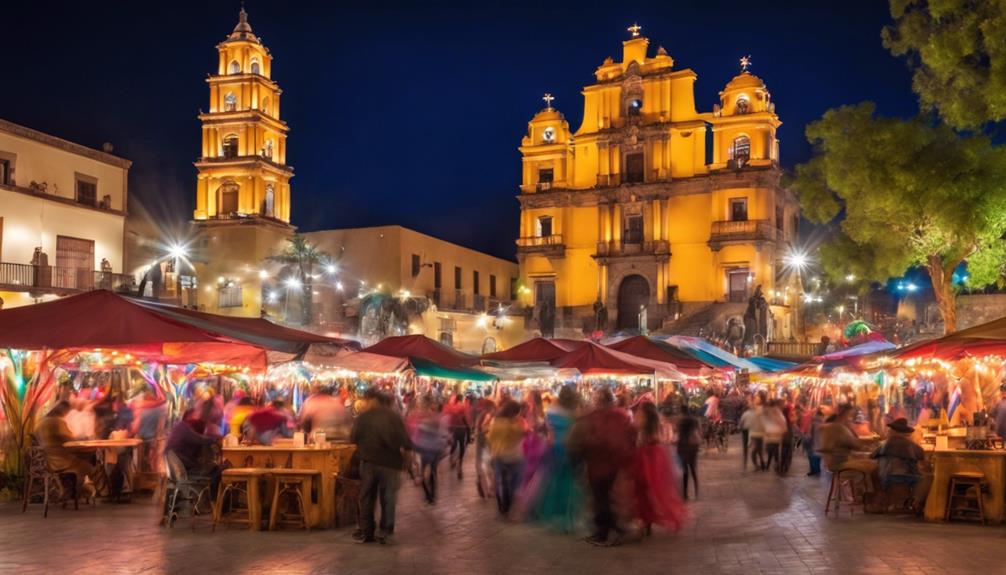
Imagine strolling through the vibrant streets of San Luis Potosí at night, where the city’s dedication to cultural rights comes alive. The right to night guarantees everyone can safely enjoy various nighttime cultural activities, from music festivals to art exhibitions. Thanks to the Charter of the City, thankThesetistic processes are acknowledged and promoted, making the streets a canvas of creative expression. Focusing on cultural rights transforms the urban landscape into a lively hub where you’ll find something for everyone.
Here’s a glimpse of what you might experience:
| Time | Activity | Emotion Evoked |
|---|---|---|
| 8:00 PM | Outdoor concert | Joy and Excitement |
| 9:30 PM | Art gallery opening | Curiosity |
| 10:30 PM | Street theater | Amusement |
| 11:00 PM | Cultural dance showcase | Inspiration |
| Midnight | Midnight market | Adventure |
The right tonight is more than just a policy; it’s a promise that nurtures a vibrant cultural scene, guaranteeing accessibility and enjoyment for all. As you explore, you’ll see how the Charter’s emphasis on these rights enhances your nighttime experience, celebrating San Luis Potosí’s rich cultural tapestry.
Architectural Highlights
Wandering through San Luis Potosí, you’re immediately captivated by its architectural splendor. The city’s Centro Histórico vividly showcases Spanish colonial architecture, with colorful buildings and grand cathedrals adorning the streets.
You can’t miss the iconic San Luis Potosí Cathedral, a baroque-style masterpiece that awes visitors. Another gem is the Capilla de Aranzazu, renowned for its exquisite tile-covered dome that uniquely touches the city’s skyline.
While exploring the Centro de San Luis Potosí, don’t overlook the intricate designs that narrate stories of the past around every corner.
Here’s a quick guide to must-see architectural highlights:
- San Luis Potosí Cathedral
- Capilla de Aranzazu
- Teatro de la Paz
Museums and Exhibits

After immersing yourself in San LLuisarLuistural marvelsPotosí’s architectural marvels, your journey unfolds further as you explore its rich array of museums and exhibits. The Centro de las Artes de San Luis Potosi Centenario invites you to explore diverse art forms, showcasing traditional and contemporary pieces. You’re surrounded by creativity, offering a peek into the region’s vibrant artistic spirit.
For a surreal experience, the Museo Leonora Carrington enthralls with its enchanting surrealistic art. At the same time, the Museo Nacional de la Mascara presents a fascinating collection of masks from various cultures, each narrating its own story. The Museo del Ferrocarril is a must-see for history enthusiasts, providing an engaging insight into the region’s railway past, a tribute to industrial progress.
| Museum Name | Highlight |
|---|---|
| Centro de las Artes de San Luis Potosi Centenario | Diverse art forms and cultural creativity |
| Museo del Ferrocarril | Railway history and industrial heritage |
| Museo Nacional de la Mascara | Cultural masks with unique stories |
These museums offer a profound cultural experience mirroring San Luis Potosí’s rich heritage. You witness artistry and connect deeply with this remarkable region’s essence by visiting these exhibits.
Social Inclusion in Culture
In the vibrant cultural landscape of San Luis Potosí, social inclusion stands as a cornerstone, guaranteeing everyone can partake in and appreciate the region’s rich heritage. The City of San Luis Potosí for Cultural Rights Charter prioritizes social inclusion and equality, promoting cultural diversity by creating spaces where all voices are heard. Its focus isn’t just on reducing violence in artistic and cultural settings and securing the full enjoyment of cultural rights for every individual.
You see, vulnerable social groups such as trans, lesbian, and cisgender women are specifically addressed, enhancing their participation in cultural activities. This commitment to inclusion isn’t merely a token gesture but a concrete action contributing to sustainable development. The Charter recognizes the importance of linguistic and spiritual practices, guaranteeing they’re preserved and celebrated.
Here’s how the Charter is making a difference:
- Policies: Encouraging entities to implement programs that promote social equality.
- Programs: Supporting initiatives that focus on cultural diversity.
- Guidelines: Providing a framework for actions guaranteeing social inclusion for vulnerable social groups.
These efforts guarantee a cultural scene where everyone belongs and thrives.
Conclusion
As you explore San Luis Potosi, you’ll immerse yourself in a vibrant culture that blends Indigenous influences and Catholic traditions. Savor the rich flavors of traditional dishes and join the lively festivals, filling the streets with music and dance. Visit the artistic and cultural centers to appreciate conventional and modern art forms. Embrace the region’s architectural beauty and diverse cultural experiences, ensuring you leave with a deep appreciation for San Luis Potosi’s unique cultural identity.
FAQs
1. What Is San Luis Potosí Best Known For?
San Luis Potosí is known for its stunning colonial architecture, vibrant festivals, and rich Huastec culture. Its heritage is woven into every street and event, making it a must-visit for cultural enthusiasts and history buffs.
2. Are People From San Luis Potosí Mayan or Aztec?
You might think people from San Luis Potosí are Mayan or Aztec, but they’re not. They have indigenous roots tied to Huastecas and Nahuatl speakers. Their culture reflects a unique blend without direct Mayan influence or Aztec heritage.
3. What Is the Ethnicity of San Luis Potosí?
San Luis Potosí’s ethnicity is rooted in Indigenous origins and heavily shaped by Spanish influence. The diverse population includes groups like the Nahuatl and Huasteco, reflecting a rich blend of native heritage and colonial history.
4. What Is the Religion of San Luis Potosí?
In San Luis Potosí, you’ll find a rich tapestry of religious diversity. Catholic influence dominates, with churches and traditions rooted in Spanish heritage, but don’t overlook the indigenous traditions that contribute to the region’s unique spiritual landscape.