Is Punta Cana Safe for Travelers?: Fact vs. Fiction
Many travelers have safety concerns about popular travel destinations. One question that frequently arises is, “Is Punta Cana, Mexico, safe?”
The question, however, is based on a common misconception: Punta Cana is not in Mexico—it’s in the Dominican Republic!
Understanding popular tourist destinations’ safety in Mexico and Punta Cana is crucial. Let’s dive into the facts.
The Misconception: Punta Cana’s Location
Firstly, let’s clear up the confusion:
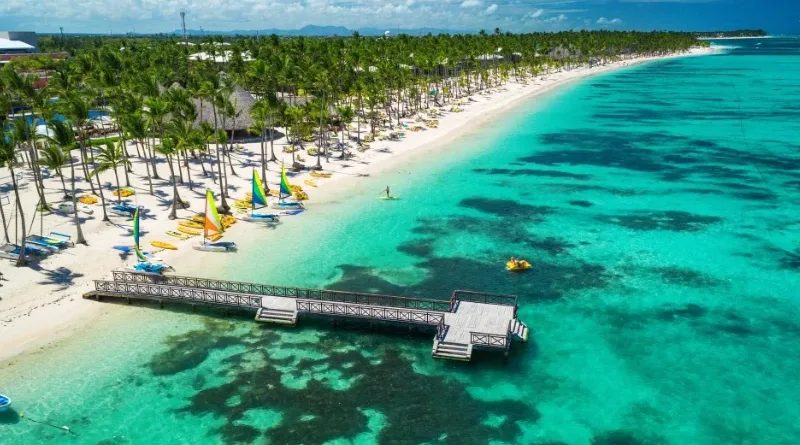
- Punta Cana: Located in the easternmost tip of the Dominican Republic, Punta Cana is known for its beaches, resorts, and golfing.
- Mexico’s Tourist Hotspots: Cancun, Playa del Carmen, Tulum, Cabo San Lucas, and Puerto Vallarta, to name a few.
While the Dominican Republic and Mexico are popular vacation spots, they are separate countries. This mix-up might arise due to their popularity and the commonality of them being in the Latin American region.
Mexico vs. Dominican Republic
Mexico and Its Popular Destinations
- Location: Situated in North America, bordered by the United States to the north and Belize and Guatemala to the south.
- Popular Tourist Spots: Cancun, Playa del Carmen, Los Cabos, and many more. Check our detailed guide on Mexico’s top destinations here.
The Dominican Republic and Punta Cana
- Location: Located on the island of Hispaniola in the Caribbean, sharing a border with Haiti.
- Punta Cana: A popular tourist region located at the eastern tip of the Dominican Republic, renowned for its beautiful beaches and luxury resorts.
Safety in Punta Cana, Dominican Republic
Crime Statistics
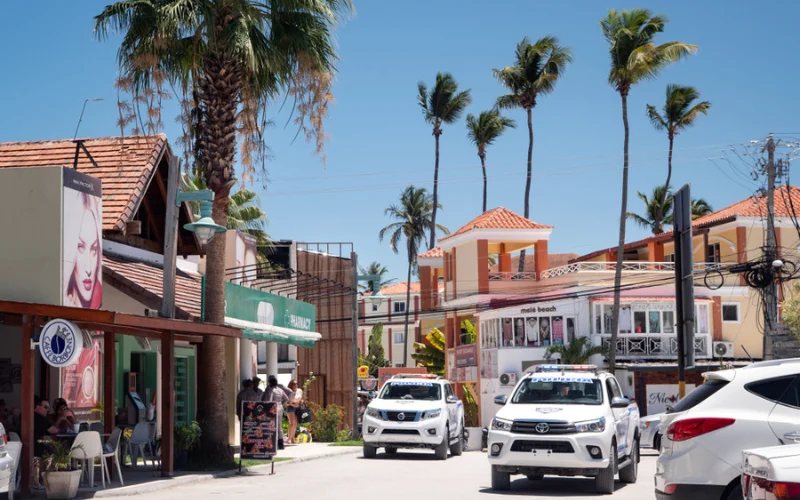
- General Crime: The crime rate is lower than in many major cities worldwide. Petty crimes such as pickpocketing can occur, especially in crowded areas.
- Violent Crime: Violent crime is relatively rare, especially against tourists. However, staying aware of your surroundings and avoiding poorly lit or isolated areas at night is always advisable.
Travel Advisory Ratings
- Official travel advisories often rate Punta Cana fairly safe for tourists, but travelers should always check the latest from their respective government websites before making plans.
Hotel and Resort Safety
- Most resorts in Punta Cana have good security measures. However, as with any destination, tourists should use hotel safes for valuables and lock doors and windows when not in their rooms.
Safety in Popular Mexican Tourist Destinations
A Broad Overview
- Mexico is a vast country with varied safety profiles across its regions. While some areas may have travel advisories, many tourist spots remain popular and safe.
Specific Destinations
- Cancun and the Riviera Maya: Known for its beautiful beaches, these areas are generally safe for tourists, with crime mostly limited to petty theft. Check out our detailed safety analysis of Cancun here.
- Los Cabos: This beautiful region also maintains a good safety record for tourists, with local authorities keen to keep it that way.
- Mexico City: As with any major city, there are areas to avoid and perfectly safe places. Tourists are advised to stay in popular zones and avoid flaunting valuables.
Tips for Safe Travel in Both Destinations

- Stay Informed: Always check up-to-date travel advisories.
- Stay Connected: Share your travel itinerary with family or friends and regularly check in.
- Avoid Risky Areas: Stay within recommended tourist zones.
- Use Reputable Transport: Opt for official taxis or recognized ride-sharing services.
- Be Aware of Local Laws and Customs: Respecting local norms can prevent unwanted attention.
Health and Wellness While Traveling
When talking about safety, it’s not just about crime rates or potential hazards; it’s also about ensuring that you’re in good health and prepared for any medical issues that might arise.
Vaccinations and Health Precautions
- Before traveling to Mexico or the Dominican Republic, check with your local health department or a travel clinic about recommended vaccinations.
- Both destinations have sporadic cases of mosquito-borne illnesses like Zika, Dengue, and Chikungunya. Using a good mosquito repellent and wearing protective clothing can reduce risks.
Access to Medical Care
- Punta Cana: The region has several modern clinics catering to tourists. Always ensure you have comprehensive travel insurance that includes medical coverage.
- Mexico: Most tourist hotspots in Mexico have access to high-quality healthcare. In particular, large cities boast hospitals and clinics with state-of-the-art equipment and well-trained medical personnel. However, it’s crucial to understand that healthcare standards might vary in more rural areas.
Diet and Hydration
It’s common for travelers to experience minor stomach upsets when adjusting to new cuisines. To minimize this:
- Drink bottled water.
- Avoid ice in drinks unless you’re certain it’s from a purified source.
- Consume freshly cooked foods.
- Be cautious with street food, though it can be delicious! Stick to vendors that are popular and have a high turnover.
Respecting Local Traditions and Culture
Understanding and respecting local customs enhances your travel experience and helps ensure a safer journey. Here are some tips:
- Dress Appropriately: Both Mexico and the Dominican Republic are relatively conservative. While beachwear is acceptable on the beaches, it’s advisable to dress more modestly when visiting towns, churches, or other local areas.
- Tipping: Tipping is customary in both destinations, especially in restaurants, bars, and for services like tours and taxis.
- Local Festivals: Participating in or observing local festivals can highlight your trip. However, always be respectful. Taking photos is usually acceptable, but always ask for permission first, especially if photographing people.
- Language: While many in the tourist industry speak English, knowing a few basic phrases in Spanish can be a real door opener. Simple words like “Hola” (Hello), “Gracias” (Thank you), and “Por favor” (Please) can go a long way.
Practical Travel Tips for Safety
- Stay Connected: Invest in a local SIM card or international roaming to ensure you can always be reached and access essential services if needed.
- Emergency Numbers: Familiarize yourself with local emergency numbers. In Mexico, for example, 911 is the general emergency number, as it is in many countries.
- Travel Insurance: Never underestimate the importance of comprehensive travel insurance. It can cover everything from lost luggage to medical emergencies.
Media Perception vs. Reality

While we’ve covered the immediate concerns and practicalities of traveling in Punta Cana and Mexico, another safety aspect is equally important: navigating the gap between media portrayal and on-the-ground realities.
Media’s Role in Shaping Perceptions
The media plays a pivotal role in shaping our understanding of the world. Stories about tourist incidents, while crucial, can sometimes paint an unduly negative picture of a destination:
Spotlighting Effect: An isolated incident in a popular tourist destination can get disproportionate media attention, leading to generalized perceptions about the entire country or region.
Bias and Sensationalism: Some media outlets, driven by the quest for higher ratings or clicks, may emphasize negative stories or present them sensationalized.
Cultural Misunderstandings: Sometimes, what tourists perceive as a threat or danger might be a cultural norm or misunderstanding.
Feedback from Travel Communities
A valuable resource that often presents a more balanced perspective is feedback from fellow travelers:
- Travel Forums: Platforms like TripAdvisor or Lonely Planet forums allow travelers to share real-time experiences and advice.
- Blogs and Vlogs: Many travel enthusiasts document their journeys, offering a firsthand look at a destination’s safety and atmosphere.
- Local Experts: Engaging with locals or ex-pats who live in the area can provide valuable insights that are often more nuanced than mainstream news reports.
Empowering Yourself: Tools and Apps for Safety

In today’s digital age, numerous tools and apps can enhance your safety while traveling:
Travel Advisories Apps: Apps that give real-time updates on travel advisories, like the Smart Traveler App by the U.S. Department of State.
Location Sharing: Tools like Google Maps’ location sharing allow trusted contacts to know your whereabouts in real time.
Offline Maps: Downloading maps for offline use can be invaluable if you find yourself in areas with spotty internet connectivity.
Local Emergency Services Apps: Some countries or regions have dedicated apps that provide contacts for local emergency services, health tips, and more.
Translation Apps: Communication can be a lifesaver. Apps like Google Translate can bridge the language gap in critical situations.
Conclusion
Travel is a privilege, an adventure, and a window into the world’s diverse cultures and landscapes. While it’s essential to be prepared and prioritize safety, it’s equally vital not to let fear unduly limit one’s experiences.
Like many other destinations worldwide, Punta Cana and Mexico offer a blend of beautiful moments waiting to be discovered and challenges that demand respect and caution.
You can savor these destinations in full glory by arming yourself with knowledge, leveraging the right tools, and keeping an open yet alert mindset.
Explore the stories and guides on our website for more insights, recommendations, and firsthand accounts of adventures in Mexico and beyond.
Frequently Asked Questions (FAQs)
Is Punta Cana in Mexico?
No, Punta Cana is not in Mexico. It is a popular tourist destination in the Dominican Republic, which is in the Caribbean.
How do crime rates in Punta Cana compare to popular tourist spots in Mexico?
Crime rates can vary depending on the specific location. Still, popular tourist destinations like Punta Cana, Cancun, or Los Cabos in Mexico generally have relatively low violent crime rates.
Petty crimes like pickpocketing are more common, especially in crowded areas. Always refer to up-to-date statistics and travel advisories for the most accurate information.
What precautions should I take when eating and drinking in Punta Cana and Mexico to avoid illness?
To minimize the risk of food and waterborne illnesses, always drink bottled water, avoid ice unless sure of its source, eat freshly cooked foods, and be cautious with street food. Opt for vendors that are popular and have a high turnover.
Are there specific vaccinations recommended before traveling to either Punta Cana or Mexico?
It’s advisable to consult with a travel clinic or your local health department before your trip. While routine vaccinations should be up-to-date, recommendations may be specific to the region you’re visiting, such as Typhoid or Hepatitis A vaccines.
How reliable is transportation in Punta Cana and Mexico’s tourist areas?
Transportation is generally reliable in Punta Cana and major tourist spots in Mexico. Official taxis or recognized ride-sharing services are advisable. Always agree on a fare before starting your journey, or ensure the cab has a working meter.