

The Most Famous Mexican Artists: Inspirational Creators
As an art lover, you are likely familiar with legends like Leonardo da Vinci or Vincent Van Gogh. However, Mexico’s vibrant history and diverse culture have given birth to many artists who have left indelible footprints on the tapestry of international art.
In this blog post, we are pushing open the doors to a visually rich world yet less explored – that of the ten most influential Mexican painters of all time. Get ready to dive into a sea of dramatic colors and elegant brushstrokes, where each painting tells a story soaked in tradition and imagination.
The ten most famous Mexican artists of all time include Frida Kahlo, Diego Rivera, Jose Clemente Orozco, Sebastian, Fanny Rabel, Rufino Tamayo, Sergio Bustamante, David Alfaro Siqueiros, Carlos Fuente (writer), and Octavio Paz (poet and essayist).
These artists have significantly contributed to Mexican art and culture through their unique perspectives and creations.
Diego Rivera: Master of Murals
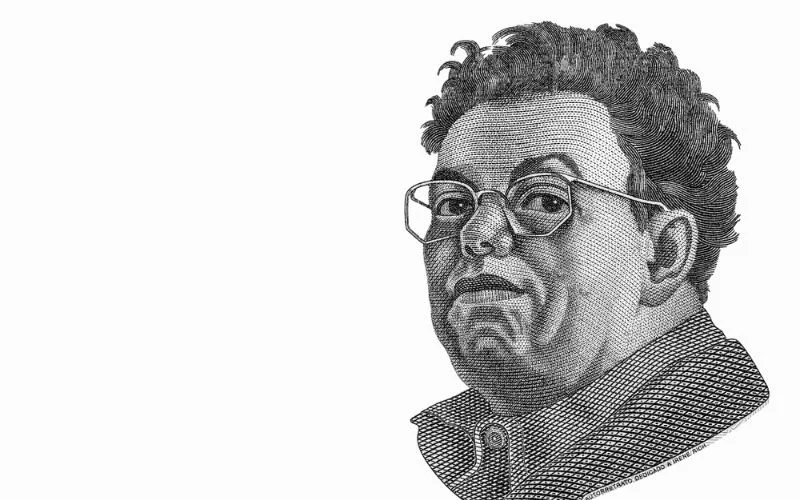
When it comes to iconic Mexican artists, it is impossible not to mention Diego Rivera. Rivera was a true master of murals, creating immense and captivating works that showcased his unique artistic vision.
Born in 1886, he embarked on his creative journey young and eventually became one of Mexico’s most renowned painters.
Rivera’s murals were not just decorative pieces; they carried profound social and political messages. His art often depicted Mexican history, revolution, and everyday life scenes. He had a remarkable ability to capture the essence of Mexican society and portray it on large-scale canvases.
Bold colors, strong brushstrokes, and attention to detail characterized his style. The sheer scale of his murals added an immersive quality, allowing viewers to experience the stories unfolding before their eyes.
He believed that public spaces were the ideal canvas for conveying powerful messages and shaping collective consciousness. Rivera aimed to educate, inspire, and provoke thought among the masses through his murals.
One notable aspect of Rivera’s mural work is his emphasis on indigenous culture and identity. He celebrated Mexico’s rich heritage by incorporating elements from ancient civilizations such as the Aztecs and Mayas into his artwork. This infusion of cultural symbolism added depth and resonance to his compositions.
Rivera’s influence extended far beyond the realm of painting. As a pioneer of the Mexican Muralist Movement, he inspired a new generation of artists who sought to use art as a tool for social change.
His distinctive style and commitment to engaging stories through murals left an indelible mark on Mexican art.
Now that we have explored Diego Rivera’s mastery of murals, let us delve deeper into the enduring impact of his work on Mexican art as a whole.
Rivera’s Influence on Mexican Art
Diego Rivera’s artistic legacy is vast, and his influence on Mexican art cannot be overstated. His murals provided a platform for other artists to experiment with large-scale storytelling and bring their messages to life.
They paved the way for future generations to explore art’s potential as a catalyst for societal transformation.
One artist deeply impacted by Rivera’s work is José Clemente Orozco, another prominent figure in the Mexican Muralist Movement.
Orozco’s murals, like Rivera’s, examined historical and political themes, but he developed his distinct style characterized by sharper lines and darker tones.
The two artists shared a mutual respect and even collaborated on several projects, further solidifying the influence of Rivera’s muralism.
Rivera’s legacy can also be seen in contemporary Mexican art. Many artists continue to draw inspiration from his commitment to social commentary and narrative-driven pieces. Their work reflects Mexico’s complex history, cultural diversity, and ongoing struggles.
Furthermore, Rivera’s impact extended beyond the visual arts. His ideology of using art as a means for social change resonated with writers, musicians, and filmmakers who sought to challenge societal norms. His influence can be observed in various forms of creative expression across Mexico.
Some critics argue that Rivera’s prominence overshadowed other talented artists of his time, preventing their voices from being heard.
However, it is undeniable that his bold vision pushed boundaries and reshaped the artistic landscape not only in Mexico but worldwide.
Now that we have explored Diego Rivera’s exceptional contributions to Mexican art and examined his far-reaching influence let us focus on another iconic figure – Frida Kahlo.
Frida Kahlo: Self-Portrait Specialist
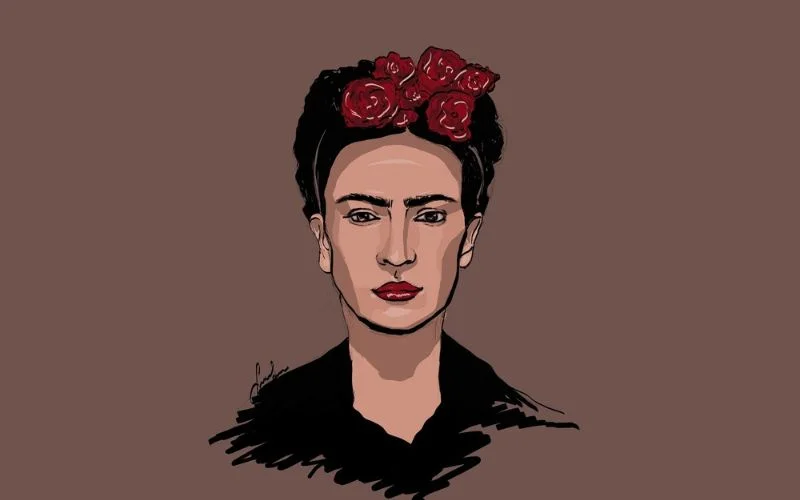
One cannot explore Mexican art without delving into the captivating world of Frida Kahlo. Born on July 6, 1907, in Coyoacan, Mexico, Kahlo is considered one of the most iconic artists ever. Her unique style and intense self-portraits have left an indelible mark on art.
Frida Kahlo’s life was marked by physical and emotional pain from a bus accident she experienced as a teenager. Despite enduring multiple surgeries and chronic health issues, she channeled her anguish into her artwork.
She bared her soul through her self-portraits, depicting herself with bold colors and intricate details that revealed her inner struggles and emotions.
Kahlo’s self-portraits were not merely personal expressions; they also reflected larger societal themes. She delved into identity, gender, politics, and cultural heritage through her unique artistic lens.
Kahlo’s introspective artworks give us a glimpse into her complex life, revealing physical and emotional vulnerability while challenging societal norms.
In her renowned self-portrait “Las Dos Fridas” (“The Two Fridas”), she depicted two versions of herself sitting side by side – one dressed in traditional Mexican clothing with a broken heart exposed, and the other wearing Victorian attire with an intact nature.
This striking image symbolizes her dual heritage and the emotional turmoil she experienced in her relationships.
Another notable self-portrait is “The Broken Column,” where Kahlo painted herself standing in front of a shattered stone column with a steel corset encasing her body. This powerful image represents her physical and emotional pain while conveying a sense of strength and resilience.
Beyond just being renowned for her extraordinary self-portraits, Frida Kahlo also made significant contributions to feminist art, becoming an inspiration for generations of artists to come.
Kahlo’s Contribution to Feminist Art
As a woman artist in a predominantly male-dominated art world, Frida Kahlo defied societal expectations and challenged traditional gender roles through her artwork.
Her bold and unapologetic exploration of femininity, identity, and the female experience made her an important figure in feminist art.
Kahlo portrayed herself as a strong and empowered woman through self-portraits and other works. By capturing her pain, vulnerabilities, and triumphs on canvas, she celebrated the complexities of womanhood and gave voice to the struggles faced by women around the world.
One of Kahlo’s most famous paintings, “The Two Fridas,” is a powerful statement on female identity. The two Fridas represent different sides of herself – one representing her Mexican heritage, with indigenous features and colorful clothing symbolizing the strength of her cultural identity. The other Frida embodies European aesthetics influenced by Kahlo’s encounters with Western culture.
In “The Broken Column,” Kahlo depicts herself as vulnerable and resilient. She shows her physical pain by describing a cracked body column and conveys strength by standing tall against adversity.
This piece reflects her experiences as a woman navigating a world that often disregards women’s pain and suffering.
Beyond her artwork, Frida Kahlo’s personal life also exemplified feminist principles. She challenged society’s expectations by pursuing relationships on her terms, embracing her bisexuality, and refusing to conform to traditional gender norms.
Like brushstrokes on a canvas, Frida Kahlo’s artistic legacy continues to shape the world of feminist art today. Her introspective self-portraits and fearless examination of femininity have inspired countless artists worldwide to explore their identities and challenge societal conventions.
Spotlight on Other Legendary Artists

While Frida Kahlo, Diego Rivera, and Jose Clemente Orozco are undoubtedly the big names that come to mind when discussing Mexican artists, several other legendary figures have left an indelible mark on the art world.
Let’s shine a spotlight on some of these influential artists who have contributed significantly to the rich artistic heritage of Mexico.
Sebastian’s ability to transform hard materials into fluid forms has made him one of Mexico’s most recognized contemporary sculptors globally.
Another noteworthy artist is David Alfaro Siqueiros, one of the three great Mexican muralists alongside Rivera and Orozco. Carlos Fuente was a prominent writer whose narrative work deeply reflected Mexican history and society.
Through his storytelling, he explored themes of identity, class struggle, and the impact of colonization on Mexican culture. Fuente’s literary contributions continue to shape the understanding of Mexico’s past and present.
Moving beyond literature, we must also acknowledge the incredible contributions of Octavio Paz, a celebrated poet and essayist.
Paz received the Nobel Prize in Literature for his book “The Labyrinth of Solitude,” where he skillfully examined Mexican society, culture, and the concept of identity. His insightful writings continue to resonate with readers around the world.
Lastly, let’s not forget Elena Poniatowska, a writer with a royal title who moved to Mexico in 1942. Poniatowska’s extensive writings include journalistic work reflecting social issues and major historical events in Mexico.
Her thought-provoking narratives provide valuable insights into ordinary Mexicans’ lives and the nation’s collective memory.
These artists, among many others, have left an indelible impact on Mexican art and culture. Their contributions go beyond just their artistic works—they have shaped conversations about identity, politics, and society in Mexico and beyond.
Exploring their jobs offers a deeper understanding of the diverse creative landscape that has flourished in Mexico for centuries.
Rufino Tamayo & Fanny Rabel: Progressive Painters
Two names stand out when discussing progressive painters in Mexican art history: Rufino Tamayo and Fanny Rabel. Both artists challenged traditional norms and explored new artistic directions. Rufino Tamayo was a figurative abstract painter who incorporated elements of surrealism into his work.
He experimented with color and form to create vibrant and expressive compositions that conveyed emotional depth. Tamayo’s unique style set him apart from his contemporaries and garnered international recognition.
Fanny Rabel was Mexico’s first modern female muralist, greatly influenced by the iconic Frida Kahlo. Rabel’s work portrayed socially marginalized individuals, often showcasing their struggles and resilience.
Her striking use of color and powerful storytelling captivated audiences and solidified her place as an important figure within Mexican art history.
Tamayo and Rabel’s progressive approach to painting challenged established norms while embracing cultural heritage. Their contributions helped shape a more inclusive and diverse art scene in Mexico, allowing new representations and narratives to emerge.
By examining the works of Rufino Tamayo and Fanny Rabel, we gain insight into the ever-evolving nature of Mexican art.
These progressive painters pushed boundaries, paving the way for future generations of artists to explore their artistic freedom and individuality.
Contemporary Contributions to Mexican Art

Today’s artists engage with social issues, explore various mediums, and make impactful statements through their work. Let’s delve into some recent contemporary contributions that have shaped Mexican art.
One artist who has made a significant impact is Carlos Fuente. His artistic practice encompasses diverse mediums such as painting, sculpture, photography, and video installations.
Fuente’s work often reflects socio-political themes, addressing such problems as inequality, migration, and cultural identity. Through his provocative and thought-provoking creations, he challenges the status quo and encourages dialogue about pressing societal concerns.
Another influential figure in contemporary Mexican art is Sergio Bustamante. Known for his unique style and imaginative sculptures, Bustamante brings mythical creatures and magical beings to life through his creations.
His sculptures often incorporate a mix of bronze, wood, and ceramics, showcasing his versatility as an artist.
Bustamante’s works exude fantastical elements while touching on universal themes like love, freedom, and spirituality. His iconic sculptures feature whimsical animals or humanoid figures with intricate details and vivid colors.
His ability to capture the essence of wonder and enchantment has earned him recognition in Mexico and internationally.
In one notable piece titled “The Birth of Eve,” Bustamante presents a captivating interpretation of the biblical story of creation. This evocative artwork reflects Bustamante’s ability to intertwine mythology, spirituality, and human experiences.
Contemporary artists like Carlos Fuente and Sergio Bustamante continue to inspire and challenge traditional notions of art in Mexico.
Their contributions reflect the country’s cultural vibrancy and address important social issues that resonate with audiences globally.
Their innovative techniques, thought-provoking concepts, and imaginative visions leave a lasting impact on the Mexican art scene.
Works of Carlos Fuente & Sergio Bustamante
Carlos Fuente’s body of work encompasses diverse mediums and themes that invite viewers to contemplate societal structures and question accepted norms.
His series “The Human Condition” delves deep into the complexities of human existence, exploring topics such as identity, consumerism, and power dynamics.
One striking piece from this series is “Faces of Society,” where Fuente juxtaposes distorted facial features with branding logos of popular products. This thought-provoking artwork challenges viewers to examine how consumer culture shapes our understanding of self-worth and identity.
On the other hand, Sergio Bustamante’s sculptures showcase his exceptional craftsmanship and whimsical imagination. In his sculpture “The Moon Acrobat,” he skillfully captures a figure gracefully suspended mid-air, defying gravity with apparent ease.
The surreal composition instills a sense of wonder and reminds us of the limitless possibilities within the realm of art.
Throughout his career, Bustamante has created numerous iconic sculptures that encapsulate his unique artistic vision. One such creation is “The Guardian Lion,” a larger-than-life sculpture crafted with meticulous attention to detail.
The sculpture exhibits strength, majesty, and a touch of mysticism, reflecting Bustamante’s ability to infuse life into inanimate forms.
Both artists have made indelible marks on Mexican art, from Carlos Fuente’s thought-provoking installations to Sergio Bustamante’s enchanting sculptures.
Their distinct styles, powerful narratives, and profound interpretations of the human experience continue to captivate audiences and contribute to the ever-evolving artistic landscape.
Frequently Asked Questions with Detailed Information
Who were some notable mentors or influencers in the lives of these artists?
Some notable mentors and influencers in the lives of these famous Mexican artists include Diego Rivera, who inspired and mentored Frida Kahlo, his wife and renowned painter; Rufino Tamayo, who influenced the works of Francisco Zúñiga and Rufino Arellanes Tamayo; and José Clemente Orozco, who had a significant impact on David Alfaro Siqueiros.
The guidance and teachings these mentors and influencers imparted were crucial in shaping these renowned painters’ artistic styles and visions.
What challenges did these artists face during their careers, and how did they overcome them?
The challenges faced by famous Mexican artists varied throughout their careers. Some struggled with societal prejudice, especially against indigenous artists, but overcame these barriers through persistence and talent.
Others encountered financial difficulties yet managed to secure support from patrons or institutions. For instance, Frida Kahlo faced physical and emotional challenges due to her health and personal struggles. Nonetheless, she channeled her pain into captivating art that resonated with people worldwide.
Diego Rivera faced public criticism for his political beliefs, but he maintained his artistic vision and continued creating monumental murals that showcased Mexico’s history and culture.
While specific statistics on the challenges faced by each artist may not be readily available, their enduring legacies speak volumes about their ability to overcome adversity and leave an indelible mark on Mexican art history.
How have these artists influenced the contemporary art scene in Mexico and beyond?
These ten famous Mexican artists have greatly influenced the contemporary art scene in Mexico and beyond. Through their innovative use of color, cultural themes, and diverse styles, they have inspired countless artists and shaped the direction of Mexican art.
Their contributions can be seen in various art movements, such as Mexican muralism, abstract expressionism, and surrealism. Moreover, their works continue to attract international attention and are exhibited in renowned galleries and museums worldwide.
For example, Frida Kahlo’s iconic self-portraits have gained immense popularity, showing her works in major institutions like the Louvre Museum in Paris. Diego Rivera’s murals depicting Mexican history have also influenced public art projects in Mexico and other countries.
These artists’ legacies are evident in how contemporary Mexican artists continue to explore their cultural roots while pushing artistic boundaries and addressing social issues.
What are the signature styles or art forms of these Mexican artists?
The ten most famous Mexican artists of all time have showcased a wide range of signature styles and art forms. Frida Kahlo, known for her emotional self-portraits, used vibrant colors and symbolism to express her pain and identity.
Diego Rivera, a prominent muralist, portrayed the struggles of the working class using large-scale frescoes with social and political messages. Rufino Tamayo’s art combined European modernism with Mexican traditions, featuring abstract elements and bold use of color.
José Clemente Orozco’s murals focused on themes of human suffering and injustice, often with dramatic and expressive figures. David Alfaro Siqueiros employed dynamic compositions, strong perspectives, and powerful symbolism in his murals.
Other artists like Remedios Varo specialized in surrealism, Manuel Felguérez explored geometric abstraction, and Francisco Toledo highlighted indigenous culture through his unique visual language.
What were some of the key works produced by each artist on this list, and what makes these works so significant?
Some key works produced by the ten most famous Mexican artists are Diego Rivera’s “The Flower Carrier” (1935), Frida Kahlo’s “The Two Fridas” (1939), Rufino Tamayo’s “Women of Tehuantepec” (1939), José Clemente Orozco’s “Man with Fire” (1939), David Alfaro Siqueiros’ mural “Tropical America” (1932-1940), Remedios Varo’s “Exploring the Sources of the Orinoco River” (1958), Leonora Carrington’s “The Pomps of the Subsoil” (1947), María Izquierdo’s “Bodegón o naturaleza muerta con gato y maracas” (1943), Francisco Toledo’s “La Mirada de Oaxaca” series (1970-2000), and Germán Venegas’ “To Her Pink Voice Posthumous Testament to Sonia Delaunay” (1986).
These works are significant as they reflect the artists’ styles, cultural influences, and societal commentaries.
For example, Rivera’s “The Flower Carrier” portrays the struggles of laborers in Mexico, while Kahlo’s self-portrait “The Two Fridas” explores her identity and emotions. The works showcase Mexican artists’ talent and their contributions to art history worldwide.