

Mexican Desserts: Where Tradition Meets Sweet Innovation
Mexico, rich in history and culture, is also home to many mouth-watering desserts like choco flan, capirotada, and the ever-popular concha.
From the hustle and bustle of its cities to the tranquil beaches where polvoron and pay de limon can be enjoyed with a view, there’s always something sweet waiting to tantalize your taste buds. But what makes Mexican desserts so unique and delightful?
Perhaps it’s the creamy texture of cuatro leches cake, the crunchy delight of galletas, or the rich allure of dulce de leche. Whatever the reason, the array of treats from this nation stands out on the global dessert scene.
A Blend of History and Flavor
When you dive deep into the world of Mexican desserts, you’re not just indulging in a treat. Still, you’re also experiencing a blend of pre-Hispanic traditions and flavors brought by the Spanish during colonization.
Colonial Influence and Native Traditions
The Spanish introduced dairy products, refined sugar, and other ingredients to the native Mexicans. Combined with indigenous ingredients like corn, chocolate, and fruits, it created many classic desserts we relish today.
A Dive into the World of Mexican Desserts
Churros
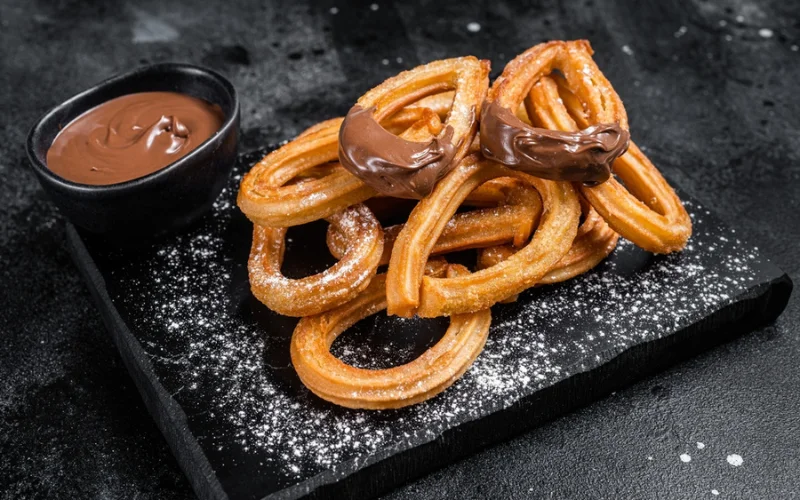
- Origin: Spain’s gift to Mexico.
- Description: Deep-fried dough pastries, often filled with cream or chocolate.
- Best enjoyed: Fresh out of the fryer, sprinkled with sugar and cinnamon.
Tres Leches Cake
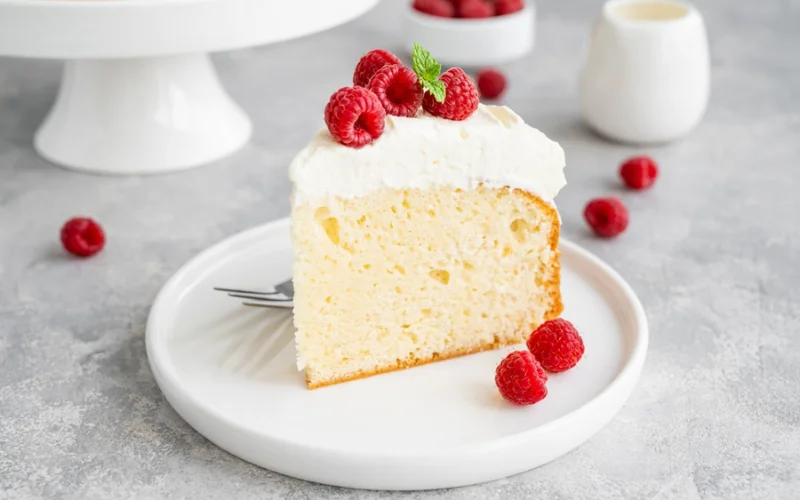
- Origin: A blend of European and Mexican traditions.
- Description: A sponge cake soaked in a mixture of three kinds of milk.
- Best enjoyed: Chilled, often topped with whipped cream or fresh fruit.
Flan
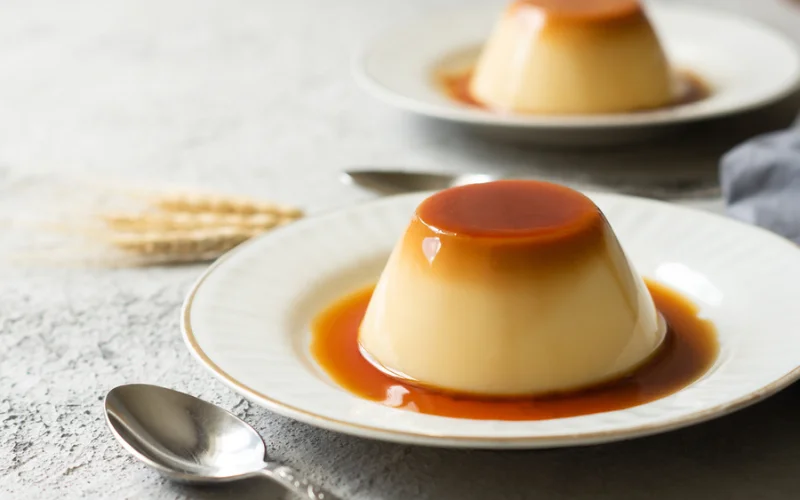
- Origin: Roman recipes taken up by the Spaniards and then introduced to Mexico.
- Description: A creamy caramel custard.
- Best enjoyed: Cool, with a glossy caramel layer on top.
Atole
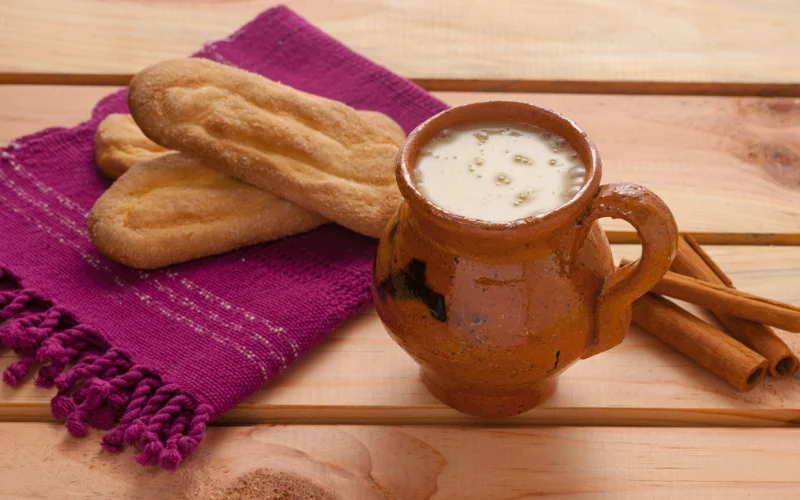
- Origin: Pre-Columbian indigenous drink.
- Description: A warm beverage made from masa (corn dough), sweetened and flavored with various ingredients.
- Best enjoyed: On cold mornings or evenings, often alongside tamales.
Arroz con Leche

- Origin: A fusion of Spanish and Mexican culinary traditions.
- Description: Creamy rice pudding is often flavored with cinnamon.
- Best enjoyed: Cold or warm, as a comforting dessert or snack.
Read more about traditional Mexican recipes here.
Traveling Safely in Mexico to Enjoy These Delights
With all these tempting desserts awaiting, ensuring that your trip to Mexico is safe and enjoyable is essential.
Safety Tips for Foodies in Mexico
- Always drink bottled water and avoid ice from unknown sources.
- Opt for well-known and busy street food stalls or reputable restaurants.
- Ensure that the food is freshly prepared and served hot.
- Wash fruits thoroughly before consuming.
Modern Takes on Traditional Desserts
In recent years, there has been a surge in the fusion of traditional Mexican desserts with modern culinary techniques. Some chefs infuse international flavors, while others present the classics with a contemporary twist.
For example, some patisseries are experimenting with flavors like matcha churros or salted caramel flan. The fusion doesn’t just stop at flavors; presentation and texture are also being revamped to cater to the evolving tastes of the modern consumer.
Learning More about Mexican Culture Through Desserts
Desserts are more than just a sweet end to a meal; they reflect a nation’s history, traditions, and evolving tastes. By understanding and appreciating the desserts of a country, you gain deeper insights into its people, stories, and culture.
- Festive Delights: During festivals like the Day of the Dead, sugar skulls and Pan de Muerto (bread of the dead) reflect the country’s traditions and beliefs.
- Regional Varieties: Just as the safety varies across Mexico, so do the desserts. Each region boasts its specialties, from the Cajeta of Guanajuato to the Yucatecan Marquesitas.
The Ingredients that Make Mexican Desserts Stand Out
Every cuisine has its distinct palette of ingredients, and Mexico is no different. When you indulge in a Mexican dessert, you savor centuries of agricultural history, colonial influences, and culinary innovation.
Corn – The Backbone of Mexican Cuisine
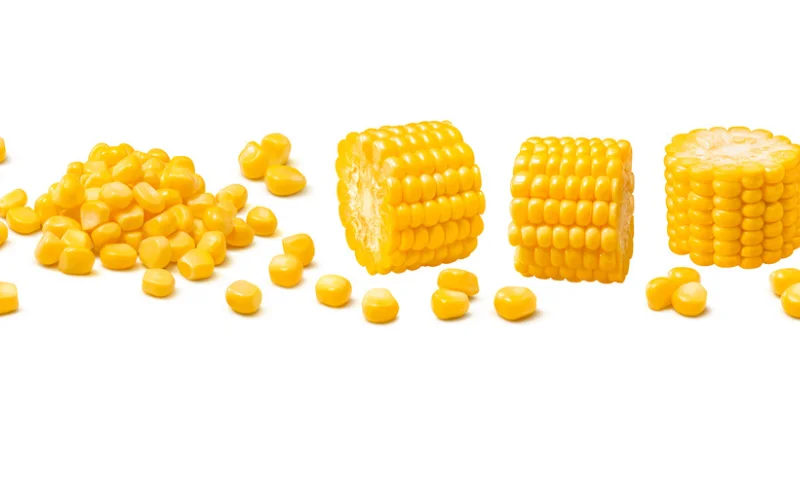
Corn is not just reserved for savory dishes in Mexico. Its versatility shines through in various desserts, from Atole (a warm corn-based drink flavored with chocolate or fruits) to Tamales Dulces (sweet tamales filled with fruits or chocolate). Corn’s importance in Mexican food culture can’t be overstated – it’s as much a part of their desserts as their main course.
Chocolate – The Gift from the Gods
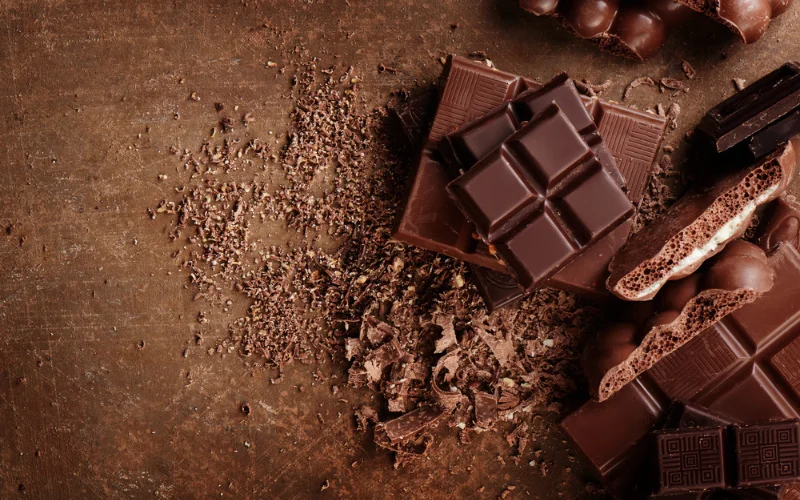
Mexico introduced chocolate to the world. The ancient Aztecs believed it was a gift from the gods, and they weren’t wrong! Mexican chocolate is coarser and has a distinctive cinnamon flavor, making it stand out from other chocolates globally. This unique chocolate type stars in many desserts, from the ever-famous Mole to the rich Champurrado.
Tropical Fruits – A Burst of Freshness

Thanks to Mexico’s diverse climate, it’s blessed with a range of tropical fruits. From guavas and mangoes to prickly pears and zapote, these fruits find their way into ice creams, candies, and pastries, offering a refreshing counterpoint to richer desserts.
Street Sweets – Mexico’s Mobile Dessert Paradises

Mexican street food culture is vibrant and ever-evolving, and desserts are a major player. Strolling through a Mexican city, you’re likely to encounter:
- Paletas: Ice pops made from natural fruit juices and sometimes cream. They come in myriad flavors, from tangy tamarind to sweet strawberries.
- Buñuelos: Thin and crispy fried dough, often drizzled with honey or sprinkled with sugar and cinnamon.
- Cicadas: Coconut candies made from condensed milk and shredded coconut, often flavored with vanilla or cinnamon.
Preserving Traditions While Embracing Modernity
Modern chefs in Mexico face a unique challenge and opportunity. While there’s a vast treasure of traditional recipes to draw from, there’s also the chance to innovate and introduce a new generation to time-honored tastes with a twist.
Whether it’s introducing vegan versions of classic desserts, incorporating molecular gastronomy techniques, or blending international flavors, Mexican dessert cuisine is on the cusp of a sweet revolution.
Vegan and Gluten-Free
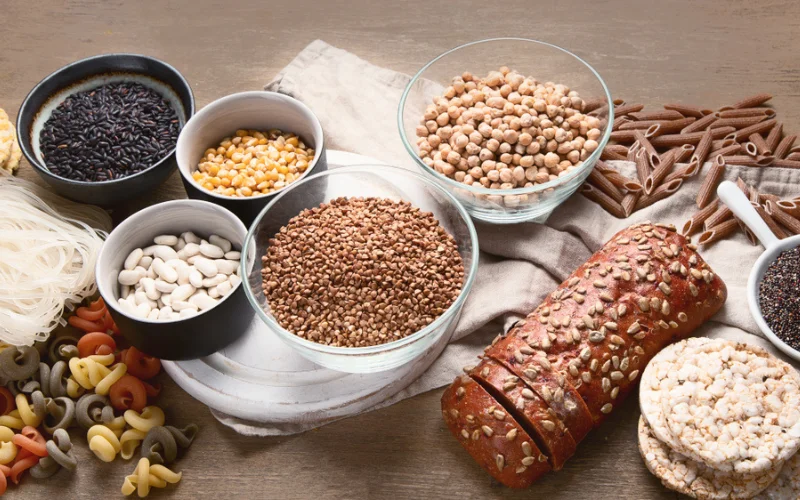
Many people opt for vegan or gluten-free diets in today’s health-conscious world. Mexican dessert chefs are no exception, experimenting to bring these global trends to local favorites.
Vegan Delights
While many traditional Mexican desserts rely heavily on dairy, chefs have invented alternatives without compromising on authentic flavors.
- Vegan Tres Leches: Using coconut milk, almond milk, and cashew milk, this version is just as moist and delicious as its traditional counterpart.
- Dairy-Free Chocolate Atole: This rich drink remains a comforting winter favorite by replacing regular milk with almond or oat milk and using dark chocolate.
Gluten-Free Goodness
Corn, a significant ingredient in Mexican cuisine, offers a natural advantage for those seeking gluten-free options.
- Gluten-Free Churros: These remain crispy and delightful by tweaking the classic churro recipe with gluten-free flour and ensuring a dedicated frying area.
- Corn-based Flan: Some inventive chefs use corn as a base for a more textured, grainy flan, adding a unique spin to this creamy dessert.
The Global Influence on Mexican Desserts
With Mexico being a popular tourist destination, there’s a natural blend of flavors and techniques from all over the globe.
Asian Influence
Thanks to the popularity of Asian cuisines in Mexico, especially Japanese and Thai, there’s a beautiful melding of flavors.
- Matcha Tamales: The earthy flavor of matcha (green tea) beautifully complements the sweetness of this traditional dish.
- Mango Sticky Rice with a Mexican Twist: This Thai classic gets a delightful local twist by using Mexican mangoes and infusing chili for that classic spicy-sweet combo.
European Flair
European pastry techniques have always influenced Mexican desserts, especially French and Spanish, but recent trends showcase a deeper blend.
- Mexican Macarons: Incorporating flavors like horchata, cajeta, and chili into these delicate French cookies adds a delightful surprise.
- Churro Eclairs: A combination of a Spanish favorite with a French classic, filled with rich chocolate or vanilla cream.
Sustainable Desserts: A Growing Trend
As the world gravitates towards sustainability, so does the culinary realm. Locally sourced ingredients, organic produce, and reduced waste are common in dessert-making.
- Farm-to-Table Sweet Shops: These establishments focus on sourcing ingredients from local farms, ensuring freshness and supporting local communities.
- Zero-Waste Bakeries: Reducing plastic usage, recycling, and composting are primary goals, making the indulgence guilt-free in more ways than one.
Mexican Desserts and Festivities: A Sweet Affair
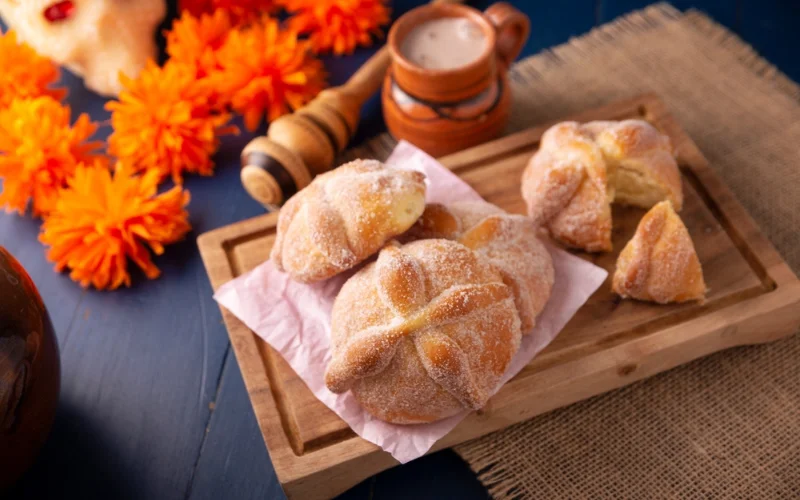
Mexican culture is deeply intertwined with its festivities. Each celebration, whether big or small, has a dessert or sweet treat associated with it, making occasions even more special.
Christmas Delicacies
Christmas in Mexico blends indigenous and Spanish traditions, and the desserts are no exception.
- Buñuelos de Viento: These are crispy fried pastries dusted with sugar and cinnamon, often enjoyed with a hot syrup made from brown sugar.
- Ponche Navideño: A warm Christmas punch filled with fruits like apples, guavas, and tejocotes, it’s often sipped alongside other treats.
Day of the Dead Specialties
The Day of the Dead, or Dia de los Muertos, is a significant celebration where the departed are remembered fondly.
- Pan de Muerto: Translating to “Bread of the Dead,” this sweet roll is often decorated to resemble bones and is a must-have during celebrations.
- Calaveritas de Azúcar: These are sugar skulls, brightly decorated and sometimes personalized with names.
Cinco de Mayo Sweets
Often mistaken as Mexico’s Independence Day, Cinco de Mayo commemorates the Mexican Army’s victory over the French Empire. Desserts on this day are vibrant and flavorful.
- Tres Leches Cake with Fruit Toppings: A twist on the classic, the cake is adorned with seasonal fruits, especially strawberries, for a burst of color and flavor.
- Churros with Colored Sugar: Giving the classic churro a festive touch, they are dusted with colored sugar, matching the vibrancy of the celebration.
The Growing Popularity of Mexican Desserts Worldwide
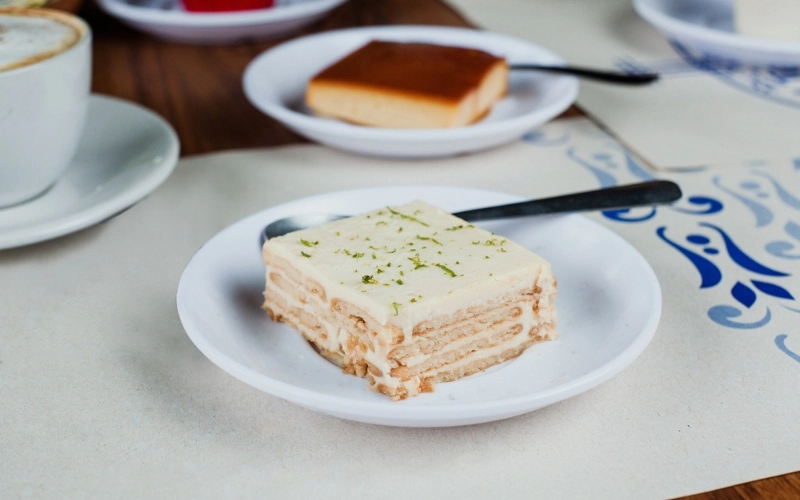
Thanks to globalization, people worldwide are developing a taste for Mexican cuisine, desserts included. It’s common now to find a Mexican dessert counter at global food festivals or Mexican dessert-themed cafes in cities from Tokyo to Paris.
Mexican Sweets in Pop Culture
Television shows, movies, and food documentaries have played a significant role in introducing the masses to the sweetness that is Mexican desserts.
Shows featuring celebrity chefs traveling to Mexico often highlight the depth and breadth of the dessert culture, making viewers’ mouths water across continents.
Mexican Dessert Workshops Abroad
For those intrigued by the flavors and keen on recreating them, many culinary schools and independent chefs offer workshops focused solely on Mexican desserts. From crafting the perfect churro to mastering the Tres Leches, these workshops provide hands-on experience for dessert enthusiasts.
Conclusion
Food, especially dessert recipes, has a universal appeal. Sopapillas, with their delicate layers dusted in cinnamon sugar, fried ice cream with a crunchy exterior, or a heartwarming cup of hot chocolate — all of these narrate a story.
Each bite of a sopapilla cheesecake bar or a plate of wedding cookies evokes an emotion. The rich cheesecake filling, the milky layers of some desserts, or even the unexpected delight of taco-inspired treats all offer a glimpse into the vibrant fiesta that is Mexican culture and history.
Whether it’s the tradition of family gatherings around a plate of these delicacies or the privacy choices one makes in deciding which dessert to serve at a grand event, every aspect brings people together.
The world of Mexican desserts, from sopapilla cheesecake bars to bars infused with layers of filling and sauce, is a testament to this phenomenon.
Whether sprinkled with cinnamon sugar or featuring eggs and milk in its recipe, each taste provides a snapshot of the rich tapestry of Mexican family traditions, from festive fiestas to intimate family moments.
Remember to prioritize your safety for travelers wishing to embark on a culinary journey through Mexico.