
Mexico Monterrey: The Heart of Northern Mexico
When you think of Monterrey, you’re not just picturing a city; you’re considering a hub of economic strength and cultural depth nestled in northeastern Mexico. You might know it’s a powerhouse in steel and manufacturing, but have you ever wondered how its historical roots shape today’s vibrant urban life? The juxtaposition of modern industry against a backdrop of rich history and stunning natural landscapes offers a unique charm. As you explore more about this metropolis, you’ll find that its environmental challenges and cultural gems are just the beginning of what makes Monterrey truly intriguing.
Key Takeaways
- Monterrey is a major economic hub in Mexico, known for its industrial sectors like steel, cement, and auto parts.
- The city is surrounded by mountains, including Cerro de la Silla, offering stunning natural landscapes.
- Monterrey faces environmental challenges like droughts, air quality, and climate change impacts.
- Cultural highlights include Barrio Antiguo and Museo de Arte Contemporaneo, showcasing vibrant nightlife and art.
- The best travel months are December to February, with cooler weather and lower hotel rates.
Geographic Overview

How does Monterrey capture the essence of northeastern Mexico’s geography? You’ll find that Monterrey, nestled in Nuevo León, offers a vivid portrayal with its unique blend of urban and natural elements.
Located at 25°41′4″N 100°19′5″W, this city is 540 meters (1,770 feet) above sea level, providing an impressive vantage point in the region.
Monterrey is bisected by the Santa Catarina River, which is significant in the area’s hydrology. The river eventually joins the San Juan River and flows into the Rio Grande, shaping the city’s geography and contributing to its charm.
Monterrey’s urban area is 324.8 km² (125.4 sq mi), and it is part of a sprawling metropolitan area that covers 7,657.5 km² (2,956.6 sq mi). As of 2020, over 5.3 million people lived in Monterrey.
The surrounding mountains, such as Cerro de la Silla, Cerro de las Mitras, and Cerro del Topo Chico, provide a dramatic backdrop, embodying the rugged beauty of Nuevo León.
These natural landmarks are integral to Monterrey’s identity, offering both inspiration and recreation for residents and visitors alike.
Economic Importance
Monterrey is a powerhouse of economic activity in northeastern Mexico. It’s the second-most productive metropolitan area in the country, boasting a GDP (PPP) of about US$140 billion as of 2015. This economic importance is further underscored by its impressive GDP per capita of US$35,500, far exceeding the national average of US$18,800.
Monterrey is an essential business and industrial hub in Mexico and North America. It’s home to major international corporations and industries, particularly in sectors like steel, cement, and auto parts, which drive significant economic growth.
The city’s strategic proximity to the US-Mexico border enhances its economic ties and facilitates robust trade and commerce. This location advantage makes Monterrey an attractive destination for businesses looking to capitalize on cross-border opportunities.
The urban landscape, split by the Santa Catarina River, features a central business district known for its high-rise buildings and modern amenities. This setup effectively supports Monterrey’s role as a primary economic center, showcasing its capacity to sustain and attract substantial economic activities and investments.
Historical Milestones

When you explore Monterrey’s history, you’ll see its founding in 1596 by Diego de Montemayor as a pivotal moment, setting the stage for its role as a major trade hub.
Fast forward to the late 19th century, and you’ll find the city’s industrialization ushered in a new era, highlighted by the establishment of Fundidora de Fierro y Acero de Monterrey.
These milestones laid the groundwork for the modern, bustling metropolis that hosted the 1986 FIFA World Cup, reflecting its ongoing cultural and economic significance.
Founding and Early Growth
1596, Diego de Montemayor founded the Spanish settlement Nuestra Señora de Monterrey to honor the Viceroy’s wife. Monterrey’s founding wasn’t easy. Early settlers faced significant challenges that slowed their growth.
Here are four key points to understand its early development:
- Indigenous Resistance: The native groups in the area resisted the new settlement, making it difficult for Monterrey to expand.
- Frequent Flooding: Natural disasters, particularly flooding, frequently plagued the region, keeping the population small and making resource management difficult.
- Trade Center: Despite these obstacles, Monterrey became a crucial trade hub connecting various Mexican regions connecting various Mexican areas during the Spanish colonial period. This trade was essential for its survival and incremental growth.
- Role in the Mexican-American War: By 1824, Monterrey had become the capital of Nuevo León. It played a notable role in the Mexican-American War, especially during the Battle of Monterrey in 1846, which marked its strategic importance.
Industrialization and the Modern Era
Steel rails paved the way for Monterrey’s transformation into an industrial powerhouse. The 1882 railroad connection to Laredo, Texas, made trade and transport seamless, spurring significant industrial growth. This pivotal development allowed Monterrey to shift from an agricultural economy to a hub of heavy industry.
One key milestone was the founding of Fundidora de Fierro y Acero de Monterrey in 1900, establishing the city as a major steel production center. This plant supported local industries and strengthened the region’s economic expansion.
Monterrey had firmly positioned itself as an industrial leader when the Mexican Revolution concluded. Companies like Cervecería Cuauhtémoc, founded in 1890, further solidified the city’s industrial base. Continuous industrial growth made Monterrey a vital player in the national economy, boasting a GDP (PPP) of US$140 billion by 2015.
Technology and higher education advancements also significantly contributed to Monterrey’s modernization. Hosting the 1986 FIFA World Cup showcased its transformation into an international urban center.
This event highlighted Monterrey’s ability to integrate technology and higher infrastructure standards, propelling it into the modern era.
Environmental Challenges
Monterrey grapples with overwhelming environmental challenges that impact daily life and future sustainability. Climate change exacerbates these challenges, making understanding the city’s vulnerabilities essential.
Severe droughts, like those experienced in the summer of 2022, have led to critically low reservoir levels and water cuts for residents. The ongoing threat of extreme weather events, such as Hurricane Alex in 2010, resulted in approximately US$1.885 billion in damages, further highlighting the city’s susceptibility.
Monterrey’s air quality issues stem from its status as a major industrial hub. Industrial emissions contribute to a high concentration of particulate matter. The city’s location compounds the problem, as the surrounding mountains can trap pollutants. This situation worsens during periods of high temperature and low wind.
To summarize Monterrey’s environmental challenges, consider these points:
- Severe Droughts: Impact water resources and daily life.
- Extreme Weather Events: Cause significant infrastructure damage.
- Air Quality: Affected by industrial emissions and geographical location.
- Climate Change: Intensifies existing challenges and introduces new ones.
These factors combine to create a complex web of environmental challenges that Monterrey must address for a sustainable future.
Natural Attractions

Beyond its environmental challenges, Monterrey boasts an array of stunning natural attractions that captivate visitors and locals alike. A trip to Monterrey isn’t complete without visiting Parque Nacional Cumbres de Monterrey. As a UNESCO Biosphere Reserve since 2006, this park is renowned for its biodiversity and offers numerous hiking trails to immerse yourself in nature.
If you enjoy birdwatching or love a good hike, visit Parque Ecológico Chipinque. Nestled within picturesque oak and oak-pine forests, it’s a haven for outdoor enthusiasts.
For climbing aficionados, El Potrero Chico awaits northeast of the city. Known for its impressive limestone cliffs and varied climbing routes, it’s a must-visit for anyone keen on scaling new heights.
Don’t miss the majestic Cola de Caballo waterfall, about 30 kilometers from Monterrey. It’s an idyllic spot for a day trip, surrounded by lush forests and dramatic rock formations.
For a subterranean adventure, explore the Grutas de García. These limestone caves offer guided tours and a cable car ride, providing breathtaking landscape views. Monterrey’s natural beauty offers something for everyone, promising unforgettable experiences.
Cultural Highlights
Many cultural gems await you in Monterrey, offering an in-depth exploration of the city’s rich heritage.
Start your cultural journey in the historic Barrio Antiguo, a neighborhood brimming with vibrant nightlife, cafes, and galleries. This area showcases Monterrey’s artistic evolution and is a lively hub for various cultural events.
Dive deeper into the city’s artistic heritage at the Museo de Arte Contemporaneo. Major exhibitions spotlight Mexican and international artists, reflecting the city’s deep-rooted artistic traditions.
To truly appreciate Monterrey’s cultural diversity, consider the significance of past events, such as the Universal Forum of Cultures, held in 2007. This event attracted millions and celebrated global artistic and cultural diversity.
While exploring, stroll along the Paseo de Santa Lucia, a scenic river walk adorned with art installations connecting you to historical landmarks and parks.
Here’s a quick guide to enrich your cultural experience:
- Visit Barrio Antiguo for nightlife and galleries.
- Explore Museo de Arte Contemporaneo for contemporary exhibitions.
- Reflect on the Universal Forum of Cultures for global insights.
- Walk Paseo de Santa Lucia for art and history.
Immerse yourself in Monterrey’s cultural tapestry, where every corner narrates a story of artistic and cultural significance.
Accommodation and Dining
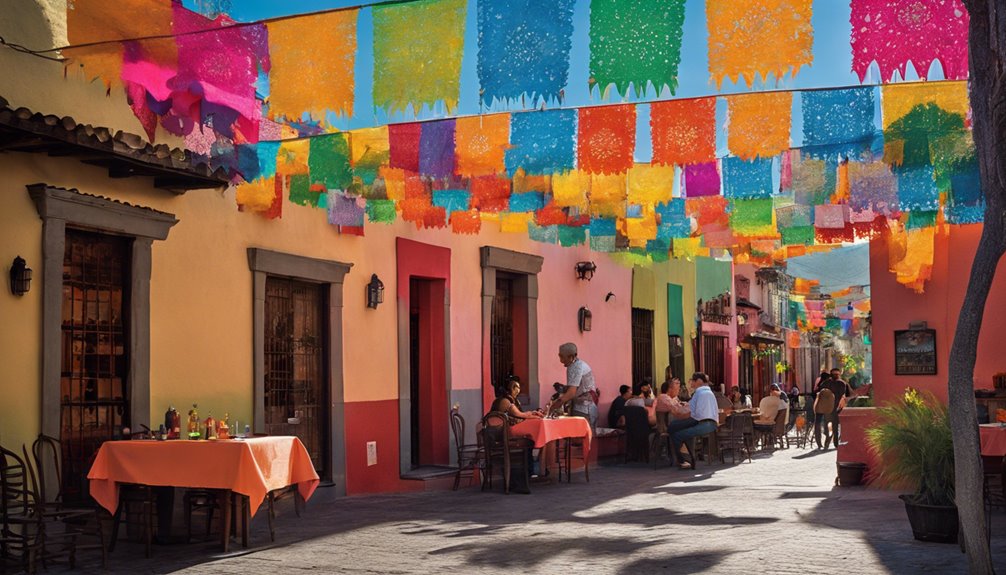
Various accommodations in Monterrey, from the opulent Safi Royal Luxury Centro to the strategically located Hilton Monterrey Valle, will suit your luxury or convenience needs.
When dining, don’t miss the chance to savor authentic Mexican dishes at El Rey del Cabrito and Fonda El Limoncito.
Muncher House offers a unique menu for a casual bite that will satisfy locals and visitors alike.
Luxury Hotel Options
When considering luxury hotel options in Monterrey, you’re spoiled for choice with high-quality accommodations and dining experiences.
This vibrant city offers several prestigious hotels that cater to your every need. Here’s a look at some top picks:
- Safi Royal Luxury Centro: This luxury house stands in Mont and Isrrey and is known for its upscale amenities and central location.
Whether you’re visiting for business or leisure, you’ll appreciate the elegant decor and attentive service, making your stay memorable.
- Hilton Monterrey Valle: Renowned for its excellent service, this hotel provides luxurious accommodations and an array of on-site dining options.
It’s ideal if you value comfort and convenience during your visit.
- Galería Plaza Monterrey: Featuring modern facilities, this hotel offers a rooftop pool and gourmet dining experiences.
It’s a favored destination for both business and leisure travelers who appreciate a touch of sophistication.
- El Gaucho Restaurant: While not a hotel, this dining establishment enhances your stay with its fine Argentine steak and grilled dishes, perfectly complemented by a selection of local wines.
Each option guarantees a luxurious experience, making your time in Monterrey unforgettable.
Authentic Mexican Restaurants
After indulging in Monterrey’s luxurious accommodations, you might be enthusiastic about exploring the city’s authentic Mexican dining scene. Monterrey is renowned for its culinary offerings, with various restaurants celebrating regional flavors and traditional dishes. El Rey del Cabrito stands out for its traditional cabrito, a must-try local specialty. This restaurant is famous for its various delicious preparations of roasted goats, which epitomize the heart of Monterrey’s authentic dining scene.
For a diverse menu that highlights regional flavors, you’ll love Me Muero de Hambre. It’s a favorite among locals and visitors, offering popular Mexican dishes that capture the region’s essence. Fonda El Limoncito provides a cozy atmosphere, perfect for those seeking a genuine taste of Mexico’s culinary heritage.
Here’s a quick guide to help you choose:
| Restaurant | Specialty |
|---|---|
| El Rey del Cabrito | Traditional cabrito |
| Me Muero de Hambre | Regional Mexican flavors |
| Fonda El Limoncito | Authentic Mexican cuisine |
| El Gaucho | Argentine steak and grilled dishes |
| Muncher House | A blend of traditional and contemporary |
Each venue promises a unique experience, making Monterrey a haven for authentic dining enthusiasts.
Convenient Dining Locations
Monterrey’s vibrant culinary scene is beautifully complemented by its convenient dining locations, making your stay seamless and enjoyable.
Whether you’re a foodie seeking local flavors or a traveler needing a quick bite, Monterrey’s dining options cater to every palate and preference.
- Safi Royal Luxury Centro: Enjoy a taste of luxury with access to nearby dining hotspots like El Rey del Cabrito, famous for its authentic cabrito dishes. This hotel provides an upscale experience with easy access to local cuisine.
- Hilton Monterrey Valle: This well-rated accommodation offers a perfect blend of comfort and accessibility, putting you close to Monterrey’s dining treasures. Immerse yourself in the diverse menu at Me Muero de Hambre, where local flavors come alive.
- Galería Plaza Monterrey: This modern facility offers comfort and culinary delight. Its dining options make it convenient for travelers looking to indulge without traveling far.
- Krystal Monterrey: This hotel is near popular dining locations, so you’re never too far from a delightful meal. For a relaxed dining experience, visit Muncher House, known for its unique menu and laid-back vibe.
With these options, dining in Monterrey becomes an effortless pleasure.
Travel Tips and Advice
Why not plan your trip to Monterrey during the cooler months? Visiting between December and February is perfect for budget travel. Hotel prices drop, making it the most affordable time to experience Monterrey. The mild winter temperatures, with average highs of 22°C (72°F) in January, make outdoor exploration comfortable. You can enjoy hiking, sightseeing, and more without the scorching heat.
During the peak season, September through November, hotel rates and crowds are higher. Choosing the off-peak months saves money and offers a more relaxed experience. To make the most of your visit, consider using public transportation or renting a car, which provides flexibility and access to Monterrey’s stunning surroundings.
Don’t forget to check for local festivals and events. They’re a fantastic way to engage with the community and immerse yourself in unique cultural experiences. Here’s a quick comparison to help you plan:
| Month | Temperature | Hotel Rates |
|---|---|---|
| September | Warmer, crowded | Higher |
| January | Mild, less busy | Lower |
| February | Mild, comfortable | Lower |
Conclusion
Monterrey is a dynamic blend of industrial strength and cultural richness. Its historical milestones and economic importance make it a key player in Mexico’s economy. Despite environmental challenges, its natural attractions offer breathtaking outdoor experiences. Enjoy cultural highlights like Barrio Antiguo and savor the local cuisine in diverse dining spots. As you explore, remember to embrace the city’s vibrant spirit and enjoy the unique charm Monterrey offers to every visitor.
FAQs
1. Why Is Monterrey Mexico Famous?
You may wonder why Monterrey is famous. It is an industrial hub, driving Mexico’s economy through the steel and automotive sectors. Its rich cultural heritage, which shines through traditional dishes like cabrito and vibrant events, makes it a standout city.
2. What Is Monterey Known for in Mexico?
You’re interested in Monterrey’s fame for its cultural heritage and culinary delights. Experience the city’s vibrant events and festivals and savor regional dishes like cabrito, which reflect its unique blend of tradition and innovation.
3. Do They Speak English in Monterrey, Mexico?
English proficiency varies. While many professionals and younger people speak English, it’s not widespread. Learning basic Spanish can enhance your tourist experience, making communication smoother and more enjoyable in local interactions.
4. Is It Worth Visiting Monterrey, Mexico?
Monterrey is known for its rich cultural experiences and delicious local cuisine. Explore museums, historic neighborhoods, and vibrant nightlife. Plus, enjoy stunning natural landscapes perfect for outdoor adventures. It’s a must-see destination!