
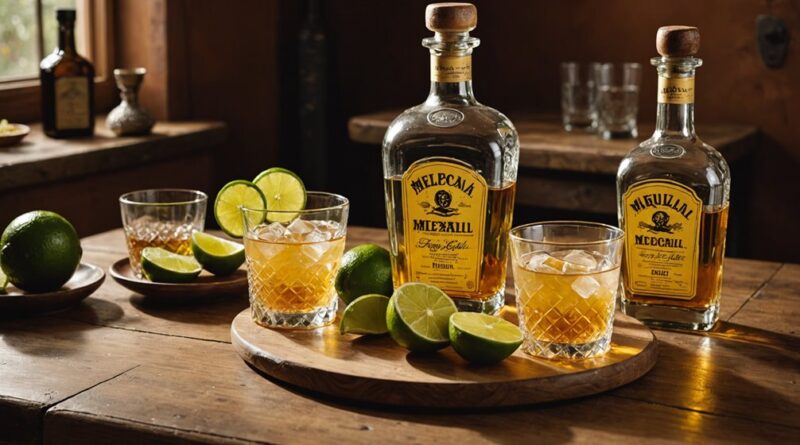
Difference Between Tequila and Mezcal: A Guide to Mexican Spirits
You’re probably familiar with tequila as the go-to margarita choice, but have you ever wondered what sets it apart from Mezcal? At first glance, they might seem identical, hailing from Mexico’s heart and crafted from agave plants. Yet, the distinction lies deeper in their origins and production methods. With tequila’s roots in Jalisco and Mezcal’s in Oaxaca, their journeys diverge considerably. The real intrigue begins with how these spirits are made. What gives Mezcal its signature smoky flavor, and why does tequila have a lighter taste profile? Let’s explore.
Key Takeaways
- Tequila is made from Blue Weber agave, while Mezcal can use over 40 different agave species.
- Tequila has a lighter, citrus-forward flavor, whereas Mezcal often has a smoky, earthy taste.
- Tequila production uses steaming, while Mezcal employs underground roasting, contributing to their distinct flavors.
- Mezcal allows for natural wild yeast fermentation, adding complexity, unlike the controlled yeast strains in tequila.
- Tequila is a type of Mezcal, but it is produced only in specific regions, primarily Jalisco, using Blue Weber agave.
Definition and Origins

Although often mentioned together, tequila and Mezcal have distinct definitions and origins that set them apart. Tequila is a specific type of Mezcal, but it’s exclusively distilled from the Blue Weber agave. This differentiates it from Mezcal, which can be crafted from any of the 40 different agave species. This fundamental difference in agave sources leads to varied flavor profiles and characteristics for these two spirits.
Tequila’s history, dating back to the 17th century, is deeply rooted in the region surrounding the town of Tequila in Jalisco, Mexico. It’s mainly produced in Jalisco and a few neighboring areas.
On the other hand, Mezcal is centered in Oaxaca but also produced in other Mexican states. This regional distinction contributes to their unique identities.
When you sip tequila, expect a cleaner taste. This is often due to its production method, which requires at least 51% Blue Weber agave in its mash, although the best tequilas use 100% agave.
Mezcal, in contrast, is famed for its rustic, smoky flavor, which results from traditional roasting techniques that impart a distinctive character. These differences highlight how production methods impact the final taste.
Agave Varieties
While tequila and Mezcal originate from agave plants, the variety of agave used in their production distinguishes them.
Tequila is made exclusively from the Blue Weber agave, scientifically known as Agave tequilana. This species is chosen for its consistent flavor and quicker maturation period, which typically takes 7 to 14 years.
On the other hand, Mezcal is much more diverse. It is crafted from over 40 agave species, including Espadín, Tobalá, and Arroqueño.
To help visualize this, consider these three points:
- Blue Weber Agave: The sole agave for tequila, cultivated extensively yet vulnerable due to genetic monoculture.
- Espadín for Mezcal: Offers a balanced taste and is the most commonly used agave for this spirit.
- Tobalá and Arroqueño: Provide Mezcal with unique earthy, floral, and complex flavors.
The diversity of agave species in mezcal results in varied flavor profiles, making it a more adventurous choice among agave spirits.
However, the monoculture of Blue Weber agave poses challenges, like disease susceptibility, emphasizing the need for sustainable practices.
Production Techniques
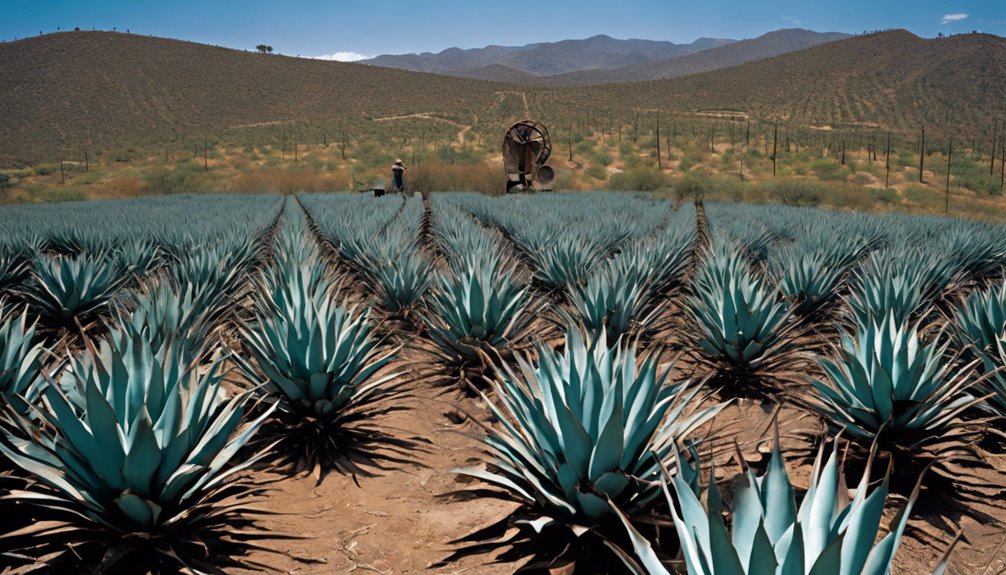
Understanding the array of agave varieties sets the stage for exploring how tequila and Mezcal come to life through their distinct production techniques.
Tequila’s journey begins with the Blue Weber agave. The piñas, or hearts, are typically steamed in brick ovens or autoclaves. This method produces a cleaner, more predictable flavor profile.
In contrast, Mezcal embraces diversity by allowing over 40 different agave species. Its piñas are roasted in underground pits, which creates a unique smoky taste.
When it comes to fermentation, tequila vs Mezcal takes different paths. Tequila production often involves specific strains of yeast, ensuring a consistent product.
Mezcal, however, allows for more artisanal methods. It utilizes natural wild yeast or various cultivated strains, which add to the spirit’s complexity and offer a rich tapestry of flavors.
The debate about tequila vs. Mezcal extends to their production scale. Tequila is largely industrialized and standardized, resulting in consistent flavors.
Mezcal remains mostly artisanal, with variations in taste and quality that depend on the producer. Additionally, tequila must be crafted in designated Mexican regions like Jalisco, whereas Mezcal, primarily linked to Oaxaca, can originate from multiple states, each contributing regional nuances.
Flavor Distinctions
When you taste tequila, you’ll notice its lighter and citrus-forward flavors resulting from standardized production methods and the steaming of agave.
In contrast, Mezcal offers a broader and more complex flavor palette, heavily influenced by the artisanal roasting of agave over an open fire and the diverse species used.
These production differences mean Mezcal often carries smoky, earthy notes, while tequila consistently leans towards a smoother, cleaner taste.
Agave Flavor Profiles
The flavor distinctions between tequila and Mezcal in agave spirits are fascinating and nuanced. Tequila is primarily made from the Blue Weber agave plant, which results in lighter, citrus-forward flavor profiles. The consistency of these flavors is due to the standardized production techniques employed.
In contrast, Mezcal is crafted from various agave species, with Espadín being the most common. This variety results in Mezcal’s rich and diverse flavor profiles, including notes of tropical fruits, caramel, and herbs.
When you explore Mezcal, you’ll notice artisanal methods and the specific agave used to influence its complexity. Here’s what you might find:
- Tropical Fruits: Some mezcals burst with the sweetness of ripe mangoes and pineapples.
- Caramel and Herbs: Others offer a mellow blend of sweet caramel and earthy herbal tones.
- Roasted Agave: The dense, smoky mouthfeel of roasted agave is a defining characteristic.
Tequila’s reliance on a single agave species ensures a consistent taste across different brands. Mezcal, however, surprises with significant variations even within the same species, showcasing each producer’s unique terroir and craftsmanship.
Production Impact on Taste
Craftsmanship plays a pivotal role in shaping the distinct flavors of tequila and Mezcal. When you explore their production methods, you’ll notice how each spirit’s unique taste is intricately tied to its crafting process. Tequila relies on steaming Blue Weber agave piñas in brick ovens or autoclaves, which results in a cleaner, more refined flavor profile. This method lends tequila its lighter body and citrus-forward notes, often complemented by vanilla and caramel from barrel aging.
In contrast, Mezcal is produced by roasting agave piñas in underground pits, a traditional technique that imparts a distinctive smoky flavor. This method gives Mezcal its more rustic and complex taste, with a denser mouthfeel and flavors ranging from tropical fruits to caramel. The artisanal approach to mezcal production means you’ll experience significant flavor variability, adding to its charm and appeal.
Here’s a quick comparison of how these production methods impact flavor:
| Aspect | Tequila | Mezcal |
|---|---|---|
| Agave Type | Blue Weber agave | Various agave species |
| Cooking Method | Steamed in ovens/autoclaves | Roasted in underground pits |
| Flavor Profile | Cleaner, citrus-forward | Smoky, complex |
| Consistency | More standardized across brands | Variable, artisanal techniques |
Ultimately, the choice between tequila and Mezcal depends on whether you prefer a refined experience or a smoky, artisanal journey.
Aging Categories

Exploring the aging categories of tequila and Mezcal reveals a fascinating spectrum of flavors and colors. Both spirits have distinct classifications: blanco, reposado, and añejo. Each offers a unique tasting experience. Blanco options are unaged and present a fresh agave blast. However, with reposado and añejo, the aging process adds complexity.
- Reposado: Tequila aged 2 months to 1 year acquires a pale gold hue and subtle barrel-infused flavors, including hints of oak and vanilla.
While reposado mezcal is less common, it may not follow the stringent aging standards of tequila, offering a more varied taste profile.
- Añejo: This tequila, aged between 1 and 3 years, deepens in color and taste, with rich notes of caramel and vanilla emerging.
In contrast, añejo mezcal, though rarer, often emphasizes the spirit’s artisanal qualities, emphasizing the agave’s unique characteristics.
- Tequila aged over 3 years rivals whiskey with its intense, layered flavors.
Meanwhile, aged Mezcal can differ drastically, influenced by the agave variety and the producer’s techniques, resulting in diverse taste experiences.
Cultural Importance
When you explore the cultural significance of tequila and Mezcal, you’ll find that both spirits are deeply intertwined with Mexican heritage.
Tequila is often tied to celebrations and rituals, particularly in Jalisco, while Mezcal embodies the artisanal craftsmanship of Oaxaca’s families.
These spirits contribute to Mexican bar culture and reflect the unique agricultural diversity and traditional practices that define their regions.
Mexican Heritage Significance
Tequila and Mezcal are essential to Mexican heritage. They reflect the nation’s deep agricultural roots and artisanal craftsmanship. These spirits aren’t just beverages; they celebrate Mexico’s cultural richness and diversity.
For starters, tequila, derived from the blue agave plant, or _agave tequilana_, is synonymous with the region of Jalisco. Mezcal, in contrast, offers a broader taste of Mexico’s landscapes, mostly hailing from Oaxaca.
Imagine this:
- Festivals and Celebrations: Tequilas and Mezcal are the stars of Mexican rituals and festivities. Picture vibrant weddings or lively birthdays where these spirits flow freely, connecting people through shared heritage.
- Significant Life Events: These spirits often mark milestones, from joyous birthdays to solemn religious ceremonies, symbolizing changes and new beginnings.
- Community Heritage: In rural areas, Mezcal is more than a drink—a community identity crafted using methods passed down through generations.
As tequila and Mezcal gain global popularity, there is an appreciation for traditional practices. These spirits support local economies and guarantee that the rich Mexican heritage thrives. They invite you to the flavors and the stories they tell.
Traditional Craftsmanship Influence
The artistry of traditional craftsmanship is at the heart of mezcal production, where each bottle tells a story of time-honored techniques and cultural pride. Unlike tequila, which is often mass-produced, Mezcal embraces artisanal methods, highlighting the cultural significance embedded in its Mexican roots. Many producers stick to ancestral techniques passed down through generations, keeping the process intimate and connected to the land. This dedication to traditional craftsmanship guarantees that each Mezcal retains its unique flavor profile, influenced by the local species of agave and terroir.
You might wonder how Mezcal is tequila’s artisanal counterpart. The table below explores some key differences:
| Aspect | Mezcal | Tequila |
|---|---|---|
| Production Method | Artisanal, traditional craftsmanship | Often industrial |
| Variety of Agave | Multiple species of agave are sed | Primarily Blue Agave |
| Cultural Ties | Deeply rooted in rituals and celebrations | Popular globally, less tied to rituals |
In places like Oaxaca, mezcal production is more than just creating a spirit; it’s about preserving heritage. The smaller scale of Mezcal’s production allows for greater variety and innovation. As its international recognition grows, efforts to preserve traditional methods continue, guaranteeing that each bottle remains a reflection of its rich cultural heritage.
Common Misconceptions

Many people have misconceptions about tequila and Mezcal, leading to confusion. You might wonder, “What’s the difference?”
First, let’s clarify that tequila is a type of Mezcal. However, tequila is specifically crafted from Blue Weber agave, while Mezcal is more versatile and made from over 40 different agave species. This distinction influences their flavor profiles and regional production methods.
Consider these common misconceptions:
- All Mezcals Are Smoky: Not true! While some mezcals have a smoky flavor, others showcase fruity or floral notes, offering a wide range of tasting experiences.
- Tequila Only Comes from Jalisco: While Jalisco is famous for tequila, it can also be produced in certain regions of other Mexican states, provided they comply with strict regulations.
- All Tequilas Are High-Quality. Beware of mixes that contain only 51% agave sugar. The rest are other sugars, which affect their ability.
Please do not assume Mezcal is inferior because of its artisanal roots. These traditional methods often result in complex flavors that reflect the craftsmanship involved.
Understanding these differences enhances your appreciation for both spirits.
Choosing Your Spirit
Now that you understand the common misconceptions surrounding tequila and Mezcal, you can select which spirit suits your palate.
Start by considering the distinctive ingredients: tequila is crafted solely from Blue Weber agave, offering a consistent and refined flavor profile. In contrast, Mezcal can be made from over 40 agave species, providing a broader range of flavors with a rustic and smoky character, thanks to its traditional roasting methods.
Regarding cocktails, think about the depth and complexity Mezcal can introduce. It’s a versatile substitute for tequila in classic recipes, enhancing drinks like the Negroni or Moscow Mule with its unique smoky notes.
Meanwhile, tequila’s clean taste makes it a staple in margaritas and palomas.
Another factor is the aging process. Tequila is categorized into blanco, reposado, and añejo, each offering different flavor experiences. Mezcal is often joven (unaged) or lightly aged, allowing its natural flavors to shine.
Finally, consider the terroir: tequila’s flavors can shift based on its Jalisco origin, whereas Mezcal’s diverse regions, mainly Oaxaca, contribute to its distinct profiles.
Choose based on what intrigues your senses.
Conclusion
In your journey to understand tequila and Mezcal, you’ve explored their distinct origins, agave varieties, and unique production methods. You’ve learned that tequila offers a lighter, citrus-forward taste, while Mezcal entices with its smoky, complex flavors. Both spirits hold significant cultural importance and come in various aging categories, each offering unique experiences. Please don’t fall for common misconceptions; instead, embrace their differences. Choose the spirit that resonates with your palate and enjoy the rich heritage each sip offers.
FAQs
1. Is Mezcal Stronger Than Tequila?
Mezcal might be stronger than tequila due to its higher alcohol content, diverse agave varieties, and traditional production methods. These factors contribute to unique flavor profiles, making Mezcal’s strength and taste more variable than tequila.
2. Why Does Mezcal Not Give You a Hangover?
Mezcal, which often uses diverse agave varieties and a slower fermentation process, might help you avoid hangovers. Its alcohol content might also encourage moderation, reducing hangover risks compared to spirits with higher congener levels.
3. Do Mexicans Drink Tequila or Mezcal?
You’ll find Mexicans enjoying both tequila and Mezcal. Tequila brands dominate social gatherings, but mezcal varieties are cherished for their cultural significance and unique flavors. Choosing between them often depends on the occasion and personal preference.
4. Is Mezcal Cheap Tequila?
You might think Mezcal is just cheap tequila, but it’s not. Mezcal production varies with different agave types, offering unique flavor profiles. It involves artisanal methods, resulting in diverse, sometimes pricier, options for celebrating rich cultural heritage.