

The Economy of Chiapas Mexico: A Comprehensive Overview
You’re probably aware that Chiapas, Mexico, presents a unique economic landscape, characterized by both significant challenges and intriguing opportunities. With the lowest per capita income and a high poverty rate, there’s a pressing need for economic improvement. Yet, Chiapas shows promise with its rising exports and foreign investments. The region’s reliance on agriculture, crude oil, and electricity generation forms the backbone of its economy. However, the potential for growth in tourism and renewable energy sectors can’t be overlooked. How can these opportunities be harnessed to reshape the economic future of Chiapas? Let’s explore the possibilities.
Key Takeaways
- Chiapas has the highest poverty rate in Mexico, with 74.7% of its population living in poverty.
- Agriculture, crude oil production, and electricity generation are the pivotal industries driving Chiapas’s economy.
- Despite a low unemployment rate of 1.57%, Chiapas’s per capita income is low compared to the national average.
- Chiapas’s international exports reached US$312M in Q1 2024, marking a 9.85% increase from the previous quarter.
- Foreign Direct Investment in Chiapas recorded US$101M in the first half of 2024, indicating growing economic interest.
Economic Overview
Despite its rich cultural heritage, Chiapas faces significant economic challenges. As you explore the financial overview, you’ll notice that Chiapas has Mexico’s lowest per capita income, with a slow growth rate of only 0.2% from 2003 to 2013. This gradual growth contributes to the widening income gap between Chiapas and the national average, which increased from 53% to a striking 60%. Such differences highlight the economic struggles faced by the municipalities of Chiapas.
The state’s gross domestic product reflects these challenges, with poverty rates soaring to 74.7%, the highest in Mexico. Within Chiapas, the wealthiest municipality is eight times richer than the poorest, emphasizing the significant inequality. These income differences aren’t just statistics; they’re visible in everyday life, impacting access to education, healthcare, and essential services.
While some regions within Chiapas show promise with higher income levels, others remain economically stagnant, unable to break free from poverty. As you investigate these economic dynamics, you’ll understand the urgent need for strategies to address these differences and foster sustainable growth across all municipalities of Chiapas.
Trade and Investment
In recent years, one of the emerging bright spots in Chiapas’s economy is its trade and investment sector. With a population of Chiapas that’s becoming increasingly engaged in local and global markets, the economically active population is driving significant growth.
In 2023, Chiapas saw international sales hit US$207M, with bananas, coffee, and fruits leading the way. These products reached key destinations like the United States, Belgium, and Canada. Chiapas’s exports in Q1 of 2024 reached US$312M, marking a 9.85% increase from the previous quarter, showcasing the region’s expanding trade capabilities.
Foreign Direct Investment (FDI) is making waves on the investment front, with US$101M recorded in just the first half of 2024. The United States is the main investor, underscoring confidence in Chiapas’s potential.
Meanwhile, international purchases in Chiapas amounted to US$315M in 2023, with palm oil, cleaning preparations, and machinery leading imports. As the trade and investment landscape evolves, there’s also a notable interest in Real Estate, which can further bolster economic growth. Chiapas is poised for continued success in the global market by capitalizing on its resources and strategic partnerships.
Key Industries
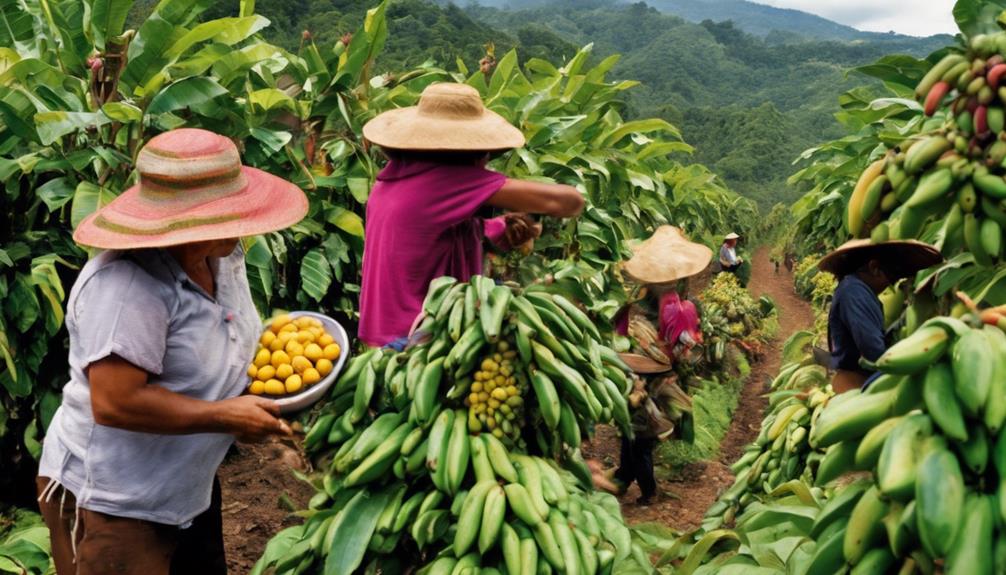
Among the varied economic sectors in Chiapas, essential industries such as crude oil production and electricity generation play pivotal roles. They fuel not just the state but also contribute to the national economy. Although agriculture is significant, with 16% of the land dedicated to crops like corn, beans, and coffee, the energy sector stands out. Here’s why:
- Crude Oil Production: Chiapas is one of Mexico’s important regions for crude oil. The industry provides crucial income and resources, impacting the local population and the broader state economy.
- Electricity Generation: Leveraging its natural resources, Chiapas generates a substantial amount of electricity, essential for Tuxtla Gutiérrez and San Cristóbal de las Casas. This aids in supporting local industries and households.
- Economic Distribution: In 2004, the GDP distribution was diverse: 31% services, 18% financial/real estate, 13% construction, and 11% tourism. These sectors contribute to the region’s economic stability.
- Challenges: Despite these advantages, over 90% of the municipalities are economically isolated, preventing many areas from fully benefiting from these industries.
Understanding these essential industries helps you grasp Chiapas’s economic landscape and potential.
Employment and Income
A significant portion of Chiapas’s population is economically active, with 54.4% engaged in the workforce as of the second quarter of 2024. This reflects a robust participation rate within Mexico, where Chiapas’s employment landscape shows promise.
Despite challenges, the unemployment rate stands impressively low at 1.57%, suggesting that Chiapas has increased its capacity to provide jobs to its population. The workforce is around 2.2 million strong, indicating a vibrant economic environment.
The average monthly salary in Chiapas is approximately $5.25k MX, which can vary depending on the type of employment. Among the top occupations, you’ll find workers dedicated to corn and bean production, support roles in agriculture, and sales employees. Each of these individual functions is essential to sustaining the local economy.
Miguel Angel Santos, a noted economist, emphasizes the significance of these sectors in the broader economic framework. He believes that employment growth and stability are crucial for Chiapas’s continued development.
Chiapas is a pivotal example of balancing traditional industries with emerging opportunities within Mexico. It ensures residents can maintain their livelihoods while contributing to the state’s economy.
Challenges and Opportunities
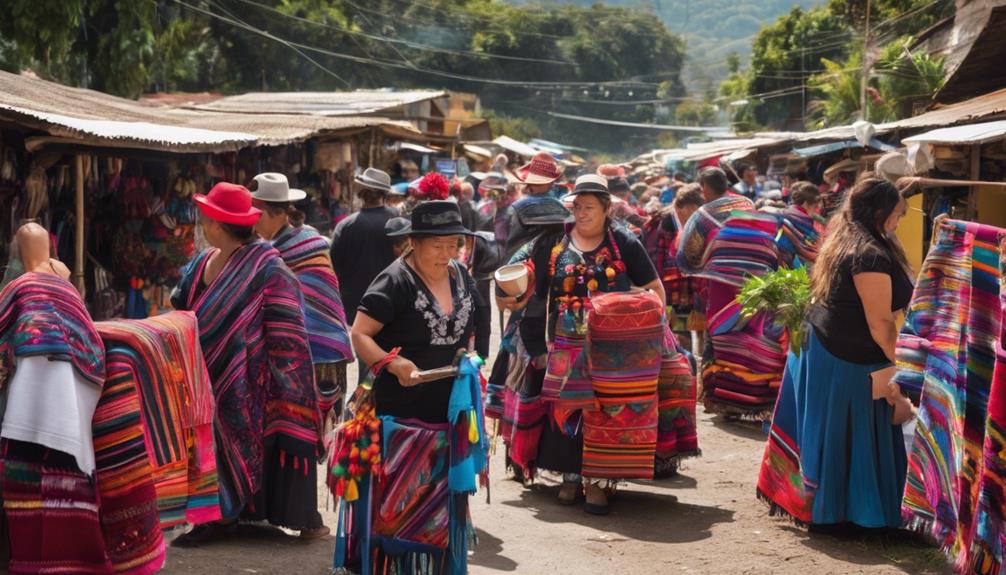
Despite Chiapas’s vibrant workforce and economic activities, the state grapples with significant challenges and opportunities that shape its future. The high poverty rate, with 74.7% of the population living in poverty, remains a pressing challenge. However, opportunities arise in agriculture, tourism, and renewable energy.
To navigate these, consider the Practice of International Political dynamics influencing local and external factors. As a Hariri Professor might suggest, addressing economic isolation in over 90% of the municipalities requires targeted development initiatives.
In the quest for growth, Chiapas must focus on:
- Sectoral Diversification: Expanding beyond traditional sectors to include new industries enhances resilience.
- Strategic Planning: Learn from experts like Ricardo Hausmann to address GDP disparities and foster balanced growth.
- Trade Agreements: Leveraging international trade can open new markets and stimulate economic activity.
- Development in Comitán de Domínguez: Targeting strategic areas for development can serve as growth catalysts.
Conclusion
You’ve seen how Chiapas faces economic challenges, yet there’s a silver lining with growing international trade and investment. By focusing on key industries like agriculture, oil, and electricity and tapping into tourism and renewable energy, Chiapas can boost its economy. Strategic planning and leveraging trade agreements are essential for creating jobs and prosperity. Embrace these opportunities to close the income gap, improve living standards, and provide a brighter future for the people of Chiapas.
FAQs
1. What Is the Economy Like in Chiapas?
Chiapas’s economy is heavily reliant on agriculture, with significant potential in tourism and indigenous crafts. Despite these strengths, economic disparities persist, highlighting the need for balanced development across its diverse regions and communities.
2. What Is Chiapas Mexico Known For?
Chiapas is known for its vibrant Indigenous culture, traditions, and art. This diverse region offers ecotourism opportunities in its lush landscapes, witness the impact of the Zapatista movement, and enjoy world-renowned coffee production.
3. What Is the Poverty Rate in Chiapas, Mexico?
You’re curious about Chiapas’ poverty rate, right? It’s at a staggering 74.7%. You should know that income distribution is uneven. Social programs need boosting, and economic development must be prioritized to address these disparities effectively.
4. What Is the Unemployment Rate in Chiapas?
You’re looking into Chiapas’s unemployment rate, which is 1.57%. This low rate suggests job opportunities abound, contributing to economic growth. With a labor force of 2.2 million, Chiapas shows promising potential for continued development.