
Cultural Differences Between Mexico and US: Key Difference
When you explore the cultural differences between Mexico and the US, you’ll find intriguing contrasts in family dynamics, social norms, and communication styles. In Mexico, the emphasis on strong family connections and multi-generational living starkly contrasts the US’s focus on individualism and personal achievements. Mexicans often greet warmly and prefer indirect communication, while Americans are more reserved and direct. These distinctions extend into food traditions and religious practices, revealing a rich tapestry of values and identities. Curious about how these cultural nuances shape everyday life? Let’s dive deeper.
Key Takeaways
- Mexican family dynamics emphasize multi-generational living and strong extended family connections, unlike the more individualistic focus in the US.
- Mexico values indirect communication and physical contact, while the US prefers directness and respects personal space.
- Mexican mealtimes are later and more communal, contrasting with the generally earlier and individualistic dining habits in the US.
- Religious practices in Mexico, heavily influenced by Catholicism, prominently shape daily life and public celebrations more than in the US.
- The work culture in Mexico prioritizes personal relationships and trust, whereas the US emphasizes punctuality and efficiency.
Family Dynamics

Social Norms
Regarding social norms, you’ll notice distinct differences in greeting etiquette, personal space, and gift-giving traditions between Mexico and the US. Mexicans often greet with hugs and kisses, showing a more direct and emotional connection, whereas Americans prefer handshakes or nods.
Additionally, Mexicans tend to value close personal space and thoughtful gifts, which reflect their emphasis on relationships and community.
Greeting Etiquette Variations
How do greeting customs in Mexico and the US highlight their cultural differences?
In Mexico, greeting etiquette emphasizes warmth and closeness. You’ll likely experience hugs and kisses on the cheek, which showcase a genuine sense of emotional expression and physical touch. This approach greatly reduces personal space, reflecting the intimate nature of Mexican social interactions. Mexicans often use indirect communication and nonverbal cues, such as nods or smiles, to convey respect and establish rapport during greetings.
In contrast, American greeting etiquette is more formal and reserved. A firm handshake is the norm, often accompanied by maintaining more personal space. This reflects a culture that values individual boundaries and a more structured interaction. While a handshake is a clear and direct way to greet someone, it tends to be less emotionally expressive than Mexican customs.
Understanding these variations in greeting etiquette is essential when engaging in social interactions in either country. By recognizing these differences, you can foster positive relationships and respect each culture’s unique norms.
This understanding not only helps in social settings but also in professional environments where first impressions matter.
Personal Space Expectations
Understanding personal space expectations between Mexico and the US is essential for fostering comfortable and respectful social interactions. In Mexico, people are more accustomed to less personal space. Greetings include physical contact, such as hugs and kisses on the cheek. This reflects a warm and close-knit culture where physical closeness is the norm.
In contrast, Americans generally value personal space more highly. When meeting someone, a handshake is the preferred form of greeting, and physical contact beyond that can sometimes feel intrusive. This preference for maintaining a certain distance aligns with a broader cultural emphasis on individual space and privacy.
Moreover, Mexican social settings tend to be louder and more vibrant, with ambient noise being a regular part of interactions. This can differ from the quieter and more reserved social environments you’ll often find in the US.
Gift-Giving Traditions
Gift-giving in Mexico is highly cultural and reflects deep social bonds. In Mexico, it is not just about the item but also its sentiment. Mexicans often appreciate thoughtfulness more than monetary value. Gifts are commonly exchanged during holidays, birthdays, and special occasions, making them essential to gatherings and celebrations.
Reciprocity plays an important role in Mexican gift-giving customs. When you receive a gift, you’re expected to return the gesture, reinforcing social connections. Don’t be surprised if you’re asked to open your gift immediately in front of the giver. This practice shows your appreciation and allows the giver to share your joy.
Traditional gifts in Mexico often include handmade crafts, flowers, or small tokens of appreciation. If you want to make a lasting impression, consider incorporating elements of Mexican cuisine, like specialty spices or traditional sweets, into your gift. These thoughtful touches can resonate deeply, especially when shared among family.
Understanding these traditions can enhance your social interactions in Mexico, making your gestures more meaningful and helping you build stronger, more personal connections.
Communication Styles

Understanding communication styles between Mexico and the US reveals stark contrasts essential to grasping cultural interactions. In Mexico, communication styles often include indirect language and a strong reliance on body language and tone. Mexicans value politeness and may soften their responses to maintain harmony. For instance, you might notice that they avoid saying ‘no’ directly, using more ambiguous phrases. Body language, such as gestures and facial expressions, plays a significant role in conveying messages and emotions.
Honorifics are another key aspect of Mexican communication. Using terms like ‘usted’ shows respect and politeness, especially in formal settings or when addressing elders. This helps to create a harmonious atmosphere and demonstrates the importance of respect in Mexican culture.
In contrast, Americans generally favor direct communication and clarity. They often get straight to the point without much ambiguity. However, this straightforward approach can sometimes be perceived as blunt by those used to more indirect methods.
Understanding these differences is vital for effective communication between cultures. Recognizing and adapting to these styles allows you to navigate conversations more smoothly and foster better relationships.
Food Traditions
When you compare Mexican and American food traditions, you’ll notice fascinating regional flavor variations and distinct mealtime social customs.
In Mexico, communal dining and leisurely meals are the norms, while street food culture thrives with vibrant, flavorful options.
In contrast, American cuisine often reflects its melting pot nature, with a quicker dining pace and iconic dishes like hamburgers and hotdogs.
Regional Flavor Variations
Exploring the regional flavor variations in Mexico and the US reveals a rich tapestry of culinary traditions influenced by local ingredients and cultural heritage.
In Mexico, you’ll find that family gatherings often feature regional specialties like mole from Puebla, a complex sauce made with a variety of spices and chocolate, or cochinita pibil from Yucatán, a slow-roasted pork dish marinated in citrus juice and annatto. These dishes are deeply rooted in local culture and indigenous ingredients such as corn, beans, and chili peppers, which have been staples for centuries.
The US food traditions are just as diverse. Each state boasts its iconic dishes that reflect its multicultural society. For instance, New England is famous for its clam chowder, a creamy soup made with clams and potatoes, while the South is renowned for its barbecue, where meats are smoked and grilled to perfection. These regional dishes are often showcased during family gatherings, celebrating the melting pot of influences from Native American, European, African, and Asian cuisines.
Both countries’ rich culinary landscapes highlight the fusion of flavors that define their local cultures, making each meal a celebration of heritage and tradition.
Mealtime Social Customs
In Mexico, mealtime is a social affair where family and friends enjoy leisurely, multi-course meals that often last hours. You’ll nMealre typically later than in the US, with breakfast around 9 a.m. and lunch around 2-3 p.m. This relaxed schedule reflects a more laid-back attitude toward emphasizing the importance of social interaction and enjoyment.
Dining etiquette in Mexico is centered on politeness and community. When invited to a Mexican household, it’s customary to greet everyone with a handshake or kiss. Don’t be surprised if you spend hours at the table; meals are meant to be savored and enjoyed slowly.
In contrast, American meal times are generally earlier and more structured, with breakfast often before 8 a.m. and lunch around noon. Punctuality is highly valued in the US, and meals might be shorter and more hurried, reflecting a fast-paced lifestyle.
While American cuisine is a melting pot of global influences, Mexican cuisine stands out for its rich spices and diverse regional dishes, making each dining experience unique.
Street Food Culture
After enjoying leisurely meals at home, you’ll find that Mexico’s vibrant street food culture offers a quick and flavorful alternative to traditional dishes like tacos, elotes, and tamales. Street food vendors in Mexico use fresh, local ingredients to create delicious and affordable meals. These street stalls aren’t just about convenience; they reflect the rich culinary traditions of Mexican culture.
In contrast, US street food culture varies by region and often incorporates global influences. From hot dogs in New York to pretzels and the diverse offerings of food trucks, you’ll experience a melting pot of flavors. Each US region has its unique take on street food, blending traditional American snacks with international flair.
Exploring street food in both Mexico and the US offers a taste of local flavors and cultural traditions. Here are some highlights:
- Tacos in Mexico: Fresh tortillas filled with various meats and toppings.
- Elotes: Grilled corn on the cob, often slathered with mayonnaise, cheese, and chili powder.
- Tamales: Corn dough filled with meats or sweets, wrapped in corn husks.
- Hot Dogs: Classic American street food, especially popular in urban areas.
- Food Trucks: Mobile kitchens offering diverse and inventive dishes across the US.
Religious Practices
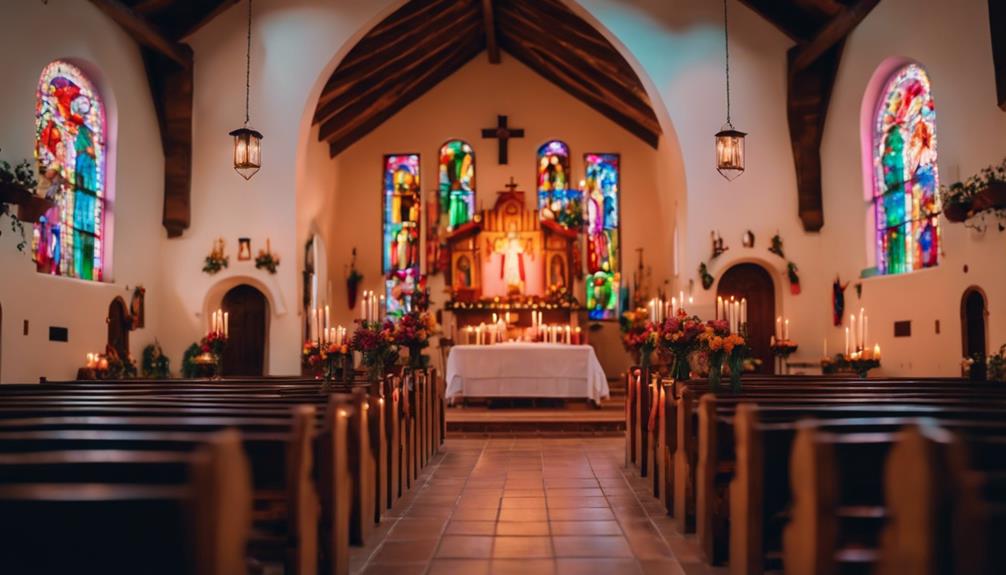
Catholicism deeply influences everyday life in Mexico, shaping customs, traditions, and even business hours. In Mexican culture, Sunday is a sacred day, often reserved for attending Catholic mass. Many businesses close on Sundays, reflecting the importance of religious observance. This practice highlights how ingrained Catholic values are in society, affecting individual behavior and communal and economic activities.
Despite its strong Catholic roots, Mexico is becoming more religiously diverse. While the majority of Mexicans identify as Catholic, other religious practices are also present, including Protestantism and indigenous spiritual traditions. However, Catholic customs and traditions still hold significant importance in Mexican communities.
For example, religious festivals like Día de los Muertos and Semana Santa are celebrated with great fervor, bringing together families and neighbors in collective observance. Sunday mass attendance is common, showcasing the religious significance deeply embedded in Mexican culture. This regular practice not only reinforces faith but also fosters community bonds.
In contrast, the US has a more varied religious landscape, with no single religion dominating public life to the same extent. Understanding these differences can enrich your appreciation of both cultures.
Work Culture
Mexican work culture prioritizes relationship-building and flexibility, whereas American workplaces emphasize punctuality and efficiency.
In Mexico, personal connections and networking are integral to business interactions. This relaxed approach fosters strong relationships but might sometimes lead to a more flexible attitude toward deadlines and schedules.
On the other hand, American work culture is often more structured, with a clear focus on meeting deadlines and maximizing productivity.
Understanding these cultural differences is essential for successful cross-cultural collaboration. You must adapt your approach to the work culture you’re working with.
Here are a few key points to keep in mind:
- Punctuality: Time is critical in the US, while there is typically more leeway in Mexico.
- Netwo in Mexicorking: Mexican workplaces value personal relationships, so take time to build trust.
- Flexibility: Work hours and deadlines might be more fluid in Mexico compared to the rigid schedules in the US.
- Efficiency: American work culture places a high priority on productivity and goal-oriented tasks.
- Communication: Directness is appreciated in the US, whereas a more nuanced approach might be preferred.
Celebrations and Holidays
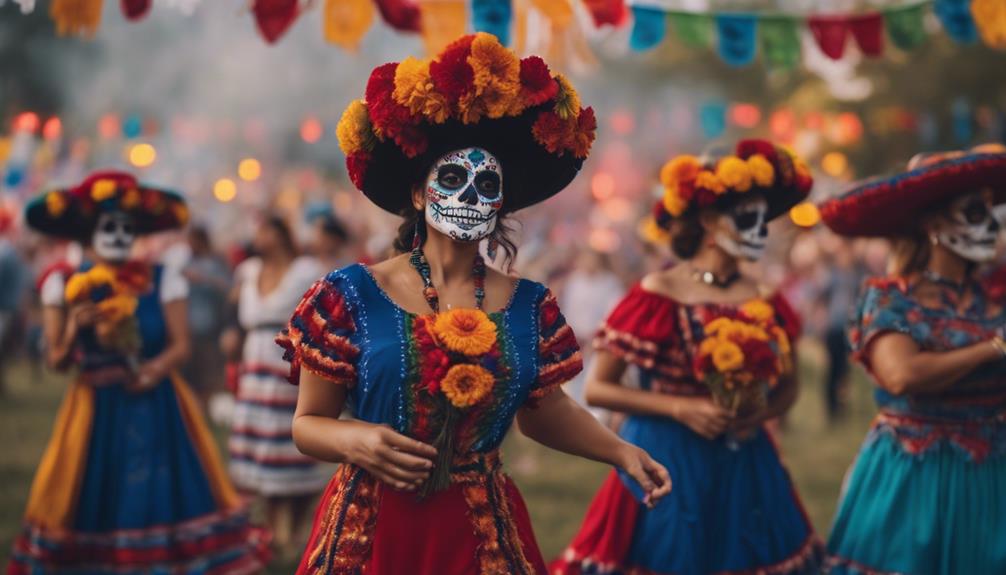
To explore the cultural differences between Mexico and the US, let’s examine how each country celebrates holidays and special occasions.
In Mexico, Día de Muertos is a significant event marked by vibrant parades, music, and traditional rituals to honor deceased loved ones. This celebration, deeply rooted in Mexican culture, reflects the country’s mainly Catholic background and influences other religious holidays like Semana Santa. During Semana Santa, you’ll see fervent observances, including processions and church services, that showcase Mexico’s deeply ingrained Catholic customs.
In contrast, the US has a more diverse religious landscape, leading to various celebrations. While religious holidays like Christmas and Easter are observed, many Americans also celebrate secular holidays like Halloween and Thanksgiving. Halloween in the US is characterized by costumes, trick-or-treating, and festive decorations, whereas Thanksgiving is a time for family gatherings and feasting, reflecting the nation’s cultural diversity.
Both countries place great importance on holidays, but the nature of their festivities differs due to cultural and religious influences. In Mexico, celebrations often have a strong spiritual component, with religious and secular traditions.
Daily Life Practicalities
Family relationships play a significant role in daily life, with frequent extended family gatherings and multi-generational households being common in Mexico. This focus on family means you’ll often find homes where grandparents, parents, and children live together, sharing responsibilities and daily moments.
When comparing life in Mexico to life in you’ll notice stark cultural differences. Mexicans prioritize sociability and warmth in their interactions. Even acquaintances might greet you with a hug and a kiss on the cheek. Public displays of emotion and lengthy conversations are typical, reflecting their value of personal connections.
Here are some practical aspects you might encounter in daily life:
- Religious Influence: Many businesses close on Sundays, coinciding with common Sunday mass attendance.
- Gender Roles: Traditional values often dictate strict gender expectations, with distinct roles for men and women.
- Collectivism: Community needs frequently precede individual desires, highlighting a strong sense of collective responsibility.
- Financial Attitudes: Social status and family pride often outweigh the pursuit of economic success.
- Public Holidays: Expect numerous public holidays and festivals that can impact business hours and public services.
Understanding these cultural differences between Mexico and the US helps people navigate daily life more smoothly.
ConclusionUnderstanding the cultural differences between Mexico and the U.S. will help you see how family dynamics, social norms, communication styles, food traditions, religious practices, work culture, celebrations, and daily life practicalities shape unique identities.
Embrace these distinctions to foster mutual respect and appreciation. Recognizing and valuing each other’s customs will build stronger, more meaningful connections across cultures.
So, let’s celebrate diversity and learn from each other’s rich cultural tapestries.
FAQs
1. How Is Mexican Work Culture Different From American Work Culture?
Mexican work culture emphasizes work-life balance and a hierarchical structure, valuing relationships and respect for authority. In contrast, American work culture prioritizes individualism, efficiency, and results, often leading to a more competitive and fast-paced environment.
2. How Is American and Mexican Culture Similar?
Both American and Mexican cultures cherish family values and prioritize strong bonds. Social gatherings are central to both cultures, emphasizing connections and emotional expression through conversations and celebrations.
3. How Does Hispanic Culture Differ From American Culture?
You’ll notice Hispanic culture focuses on family values and closeness, often reflected in their traditional cuisine shared at gatherings. In contrast, American culture emphasizes individualism and career goals and has a more diverse culinary landscape.
4. What Makes the Mexican Culture Different?
Mexican culture’s unique festive traditions and strong family roles set it apart. You’ll notice vibrant celebrations and multi-generational households, where community and family precede individual achievements or financial success. It’s truly heartwarming and inclusive.