
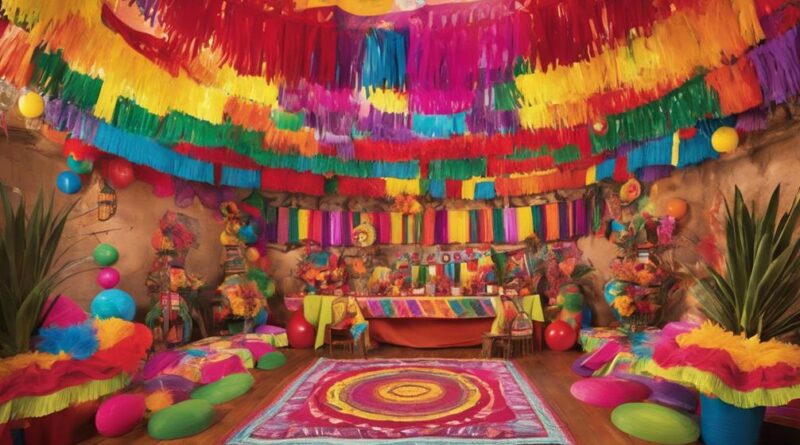
Mexican Art and Crafts Traditions: A Celebration of Culture
Mexican art and crafts represent a vibrant blend of indigenous heritage and Spanish influence, forming a rich cultural mosaic that reflects centuries of history, identity, and innovation. From intricately woven textiles to vivid murals, every piece tells a story of ancient rituals, colonial transformation, and modern expressions of pride. These traditions are more than decorative; they embody spiritual beliefs, community values, and artistic legacy passed down through generations. Whether in bustling markets or quiet rural villages, Mexico’s artistry continues to enchant the world, offering a vibrant gateway into the soul of its people and their enduring creativity.
The Historical Roots of Mexican Art

The origins of Mexican art can be traced back to the rich and diverse cultures of pre-Columbian civilizations, including the Aztecs, Mayans, and Olmecs. These ancient peoples created intricate and symbolic artworks using natural materials such as clay, jade, obsidian, and feathers. Art was deeply intertwined with spiritual and ceremonial life, often serving as a medium to honor gods, represent natural forces, and reflect cosmological beliefs. Murals, sculptures, and ceremonial objects portrayed deities, sacred animals, and cosmic elements, emphasizing the profound connection between humanity and the divine.
With the arrival of the Spanish in the 16th century, Mexican art underwent a dramatic transformation. European artistic techniques and Christian iconography were introduced, leading to the creation of religious-themed artworks, including retablos (devotional paintings), altarpieces, and grand baroque-style church murals. Rather than erasing native traditions, this period saw the emergence of syncretism, a cultural fusion where indigenous symbolism was blended with Catholic narratives. Native artisans often reinterpreted Christian themes through their visual language, resulting in a unique, hybrid artistic tradition that remains a hallmark of Mexican culture today.
Folk Art: A Living Heritage
Folk art, known in Mexico as artesanía, is a vital expression of cultural identity and everyday creativity. It continues to thrive in towns, villages, and urban centres across the country, where artisans craft pieces that are both beautiful and meaningful. Rooted in indigenous traditions and enriched by centuries of cultural fusion, Mexican folk art serves not only as decoration but also as a reflection of social values, beliefs, and ways of life. These works are often sold in markets, festivals, and family-run workshops, connecting generations through craft and commerce.
Key Characteristics
- Handmade using traditional techniques: Artisans typically use locally sourced materials and tools, preserving age-old practices that vary by region.
- Functional and decorative: Many folk art pieces, such as pottery, textiles, and utensils, are made for daily use but are also richly adorned to express beauty and symbolism.
- Passed down through generations, skills and styles are taught within families, ensuring the continuity of heritage while allowing room for individual innovation and community identity.
Whether in a hand-embroidered blouse, a painted clay figure, or a woven basket, every piece of Mexican folk art carries a story, embodying the resilience, colour, and soul of the communities that create them.
Examples by Region
Each region of Mexico is renowned for its unique crafts, which reflect its cultural identity and traditional techniques. In Oaxaca, artisans create colourful alebrijes fantastical wooden creatures and black pottery (barro negro), known for its distinctive sheen and ceremonial significance. Michoacán is renowned for its hand-hammered copperware, particularly from Santa Clara del Cobre, as well as its beautifully painted lacquerware featuring floral and religious motifs. While some areas of the region have experienced safety concerns, popular artisan towns like Santa Clara del Cobre are generally considered safe for tourists in Michoacán during the day, especially when visiting in groups or with guided tours.
Mexican Textiles: Threads of Tradition
Textiles are one of the most enduring and expressive forms of Mexican artisan work, deeply woven into the daily and ceremonial life of many indigenous communities. More than just clothing or decoration, these fabrics serve as symbols of cultural identity, social status, and regional heritage. The artistry involved reflects centuries-old techniques, spiritual beliefs, and storytelling traditions that have been passed down from generation to generation.
Indigenous Weaving Techniques
- Women in indigenous communities often learn weaving from childhood.
- Techniques include backstrap loom weaving and brocade embroidery.
Symbolism in Patterns
- Each textile tells a story through colour and design.
- Common symbols: maize (life), animals (guides), and geometric patterns (cosmos).
Popular Textile Types
- Rebozos: traditional shawls
- Huipiles: woven blouses worn by Indigenous women
- Scrapes: colourful blankets used as cloaks or home décor
Pottery and Ceramics: Earthly Expressions
Mexican pottery and ceramics are among the country’s oldest and most cherished artistic traditions, combining utility with intricate beauty. Each region contributes distinct styles shaped by local materials, techniques, and cultural influences. In Puebla, the iconic Talavera pottery is distinguished by its glazed, hand-painted tiles and ceramic pieces. Influenced by Spanish and Moorish designs, Talavera is renowned for its intricate blue and white patterns, which are often featured in kitchens, churches, and architectural details.
Pottery in Mexico is not only admired for its artistic merit but also valued for its cultural and spiritual significance. It plays a central role in daily life, used for cooking, storage, and serving, as well as in rituals and religious offerings, making it a powerful expression of both tradition and creativity.
Day of the Dead Art: Honoring Ancestors

The Day of the Dead (Día de los Muertos) is a vibrant celebration of life and remembrance, blending indigenous and Catholic traditions. Art plays a vital role in expressing themes of memory, spirituality, and the cyclical nature of life and death.
Altars and Decorations
- Ofrendas: altars decorated with marigolds, photos, candles, and food
- Sugar skulls (calaveras): colourful, symbolic of death and rebirth
- Paper decorations (papel picado): intricate cut-out designs
Catrinas: Iconic Skeleton Art
- Created by José Guadalupe Posada, La Catrina is a satirical symbol of death
- Often made as sculptures or figurines dressed in elegant attire
Modern and Contemporary Art
- Combines political activism, surrealism, and Indigenous identity
- Artists like Frida Kahlo blend personal pain with national symbolism
The Role of Art in Festivals and Rituals
Art in Mexico is not limited to galleries or homes. It is deeply woven into the country’s festivals, religious events, and community rituals. These artistic expressions bring people together, mark seasonal and spiritual milestones, and preserve cultural identity. From street parades to village ceremonies, art transforms public spaces into vibrant, symbolic experiences.
Festival-Based Art Forms
- Piñatas: colourful paper-mâché figures used in celebrations
- Fireworks (castillos): massive structures lit during town fiestas
- Masks: used in Danza de los Viejitos (Dance of the Old Men) and other rituals
Spiritual and Community Functions
- Art is central to celebrations, traditions, and civic pride
- Local artists often create altars, floats, and costumes for communal use
Conclusion
Mexican art and crafts are more than creative expressions; they are living traditions rooted in identity, spirituality, and resilience. From pre-Hispanic carvings to modern murals and folk textiles, these forms of art continue to evolve while preserving their ancestral essence. Each piece, whether functional or decorative, tells a story of survival, celebration, and transformation. As these traditions are passed through generations and reach global audiences, they serve as powerful reminders of Mexico’s vibrant cultural heritage. Embracing this legacy not only honours the past but also ensures a creative, colourful future for Mexican heritage in the global artistic landscape.
FAQs
1. What are the most famous types of Mexican folk art?
Mexican folk art is incredibly diverse. Some of the most famous types include:
- Alebrijes: Bright, fantastical creatures made from wood or papier-mâché.
- Talavera Pottery: Decorative ceramic pieces known for their intricate blue and white patterns.
- Huichol Beadwork: Intricate designs created with tiny, colourful beads.
- Rebozos: Traditional handwoven shawls worn by women.
These artworks are often handmade and carry deep cultural symbolism specific to each region.
2. How have other cultures influenced Mexican art?
Mexican art reflects a fusion of indigenous and colonial influences. Before Spanish colonization, native peoples, such as the Aztecs and Mayans, created spiritual and ceremonial art using natural materials. After the Spanish arrived, European techniques and religious themes were introduced. Over time, a unique hybrid emerged, where indigenous symbolism blended with Catholic iconography, resulting in distinctive styles such as retablo paintings, mission architecture, and muralism.
3. What is the significance of colour in Mexican crafts?
Colour is essential in Mexican crafts and often has a symbolic meaning:
- Red: Passion, blood, and life
- Yellow: The sun and marigolds (especially in Day of the Dead altars)
- Green: Fertility, hope, and agriculture
- Blue: Water, sky, and spirituality
Bright colour palettes reflect Mexico’s vibrant natural landscape and cultural love for bold expression. Artisans use colour to convey joy, memory, and cultural identity.
4. Where can I buy authentic Mexican art and crafts?
Authentic Mexican art can be found in:
- Local markets (tianguis) in regions like Oaxaca, Chiapas, and Puebla
- Specialty artisan shops and cooperatives
- Museums and cultural centres
- Online platforms that support fair trade and direct artisan sales
Buying directly from artisans or certified sources ensures authenticity and helps support traditional craft communities.
5. Are Mexican crafts recognized globally?
Yes, many forms of Mexican craftsmanship have gained international acclaim. UNESCO has recognized traditions such as Mariachi music and indigenous weaving. Cities like San Miguel de Allende and Oaxaca are global hubs for art and cultural tourism. International museums and galleries frequently feature Mexican artists, and global collectors prize handcrafted textiles, ceramics, and silverwork from Mexico.
