

Common Tourist Scams in Mexico: What to Watch Out For
When visiting Mexico, you should be aware of common tourist scams that can quickly turn a dream vacation into a nightmare. From fake taxis and ATM skimming to corrupt police incidents and timeshare schemes, these tricks are all too common. Knowing what to watch out for can save you from falling victim to these deceptive practices. How can you protect yourself and still enjoy the vibrant culture and beautiful sights Mexico has to offer?
Key Takeaways
- Fake taxi scams involve unlicensed cabs; use ride-sharing apps like Uber for safety and transparency in pricing.
- ATM skimming is a common occurrence. To protect yourself, use ATMs in banks, inspect them for attachments, and regularly monitor your bank statements for potential fraud.
- Corrupt police may attempt to extort money, verify credentials, and resolve issues at the nearest police station.
- Dodgy tour operators may demand cash for damages; research reputable services and verify operators before booking.
- Timeshare scams use aggressive pitches and fake guides; avoid deals that seem too good to be true.
Fake Taxi Scams

When visiting Mexico, it’s crucial to be aware of fake taxi scams that can impact your travel experience.
Fake taxis often masquerade as legitimate ride-sharing services or unlicensed cabs, resulting in overcharging and unsafe situations for tourists. To guarantee your safety, always hire taxis from designated taxi stands (sitios) or request them through hotels and restaurants.
Traditional taxis can be reliable, but confirm the meter is on to avoid fare manipulation. Some drivers may take longer routes to increase fares, resulting in overcharging.
Ride-sharing apps like Uber are recommended in tourist areas, as they offer transparency in pricing and reduce scam risks. Keep a trusted driver’s contact info for future use to avoid fake taxi scams.
Corrupt Police Incidents
While enjoying your visit to Mexico, it’s essential to be vigilant about corrupt police incidents that can tarnish your experience. Corrupt police officers might impersonate legitimate law enforcement to extort cash payments from tourists for alleged infractions.
Always ask for credentials to verify an officer’s authenticity, as genuine police officers won’t demand immediate fines or cash payments.
If a suspected fake police officer approaches you, use these tips:
- Verify credentials: Request identification and badge numbers.
- Nearest police station: Insist on resolving issues there to check legitimacy.
- Mexico City hotspots: Be extra cautious in tourist areas.
- Scam protection: Use the tourist information line (078) or call 911 if threatened.
Staying alert can help you avoid these scams and ensure a safe trip.
ATM Skimming Scams
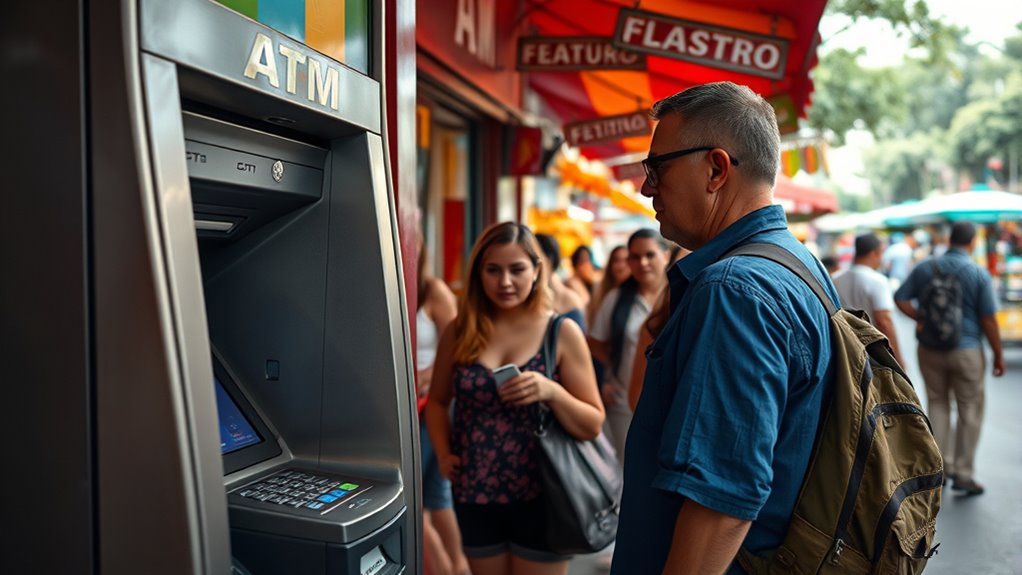
When you’re in Mexico, ATM skimming scams are a real threat to your financial security.
Always use ATMs located within banks or high-end hotels to reduce the risk of encountering skimming devices.
After making any withdrawal, regularly review your bank statements for suspicious activity to promptly detect unauthorized transactions.
Secure ATM Locations
Although ATMs offer convenience, they can sometimes be a hotspot for scams, particularly in tourist areas.
To avoid falling victim to ATM skimming scams, choose secure ATM locations. Always opt for machines inside banks or reputable hotels. These locations are safer and reduce your risk of encountering skimming devices. Standalone ATMs, particularly in less secure spots, are more likely to be tampered with.
Here are some tips to protect yourself:
- Cover the keypad: Always shield your PIN from potential hidden cameras.
- Inspect the ATM: Look for unusual attachments that could be skimmers.
- Monitor bank statements regularly to check for unauthorized transactions.
- Safeguard cash and valuables: Be discreet and cautious when withdrawing funds.
These precautions can help keep your finances secure.
Monitor Bank Statements
To protect yourself from ATM skimming scams in Mexico, it’s essential to monitor your bank statements for any suspicious activity regularly.
Criminals use ATM skimming devices to steal your card information, leading to unauthorized transactions. You should always use ATMs affiliated with major banks, as they offer better security.
Avoid standalone ATMs, which are more prone to tampering, and instead, choose machines inside banks or upscale hotels. After making a withdrawal, inspect the ATM for unusual attachments and cover the keypad while entering your PIN to prevent others from seeing it.
If you notice any discrepancies, report them immediately. Understanding your bank’s policies on unauthorized transactions will help you respond quickly if your information is compromised.
Bank Note Switching
Banknote switching is a common scam in Mexico that can catch tourists off guard, especially those unfamiliar with the local currency. Scammers often switch their legitimate notes for counterfeit currency during cash transactions.
Familiarize yourself with the local currency’s texture and watermarks to spot fake notes.
To protect yourself:
- Avoid exchanging money with strangers and use official exchange services.
- Pay with credit or debit cards to minimize cash transactions.
- Use small bills for small purchases to reduce the risk of receiving counterfeit notes.
- If you receive a fake note, report it immediately to local authorities.
Tourists should remain vigilant, especially when handling large bills, to avoid falling victim to banknote-switching scams.
Fake Souvenir Sales

While exploring Mexico’s vibrant markets and bustling tourist areas, you might encounter vendors selling fake souvenirs that could deceive even the most discerning traveler. Spotting fake handicrafts and silver jewelry can be tricky. Always check for the hallmark “925” on silver jewelry, and look for artists’ signatures on handicrafts to verify that local artisans make them. Established stores are your best bet for authentic items. Tourist hotspots often offer mass-produced knockoffs, so take caution.
| What to Check | Why It’s Important |
|---|---|
| Artists’ Signatures | Authenticity of handicrafts |
| Hallmark 925 | Verifies real silver jewelry |
| Established Stores | Confirms genuine souvenirs |
| Tourists Hotspots | Likely fake or mass-produced |
| Local Artisans | Unique, authentic pieces |
Opt for local artisans over tourist traps for genuine finds.
Dodgy Tour Operators
When exploring Mexico, beware of unscrupulous tour operators who may attempt to scam you. Some operators may falsely claim damages to rented equipment, such as jet skis, leading to unexpected charges.
Here’s how to protect yourself:
- Document any existing damage: Before using rented equipment, take photos to avoid being blamed for pre-existing issues.
- Cash payments: Be cautious if asked to pay cash for alleged damages, as some may threaten police involvement.
- Reputable operators: Choose trusted providers by researching online and checking reviews to avoid scams in Mexico.
- Low prices: Extremely low tour prices can be a red flag, suggesting the operator mightn’t be legitimate.
Picture Scam Tactics
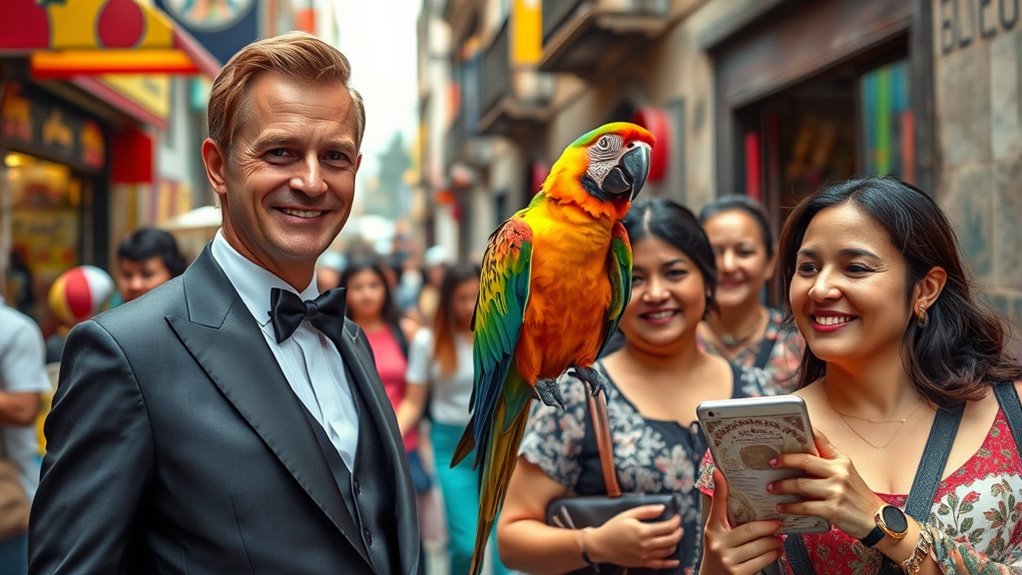
When you’re approached by someone asking for a photo together, be wary of picture scam tactics.
Scammers may intentionally drop the camera, leading to aggressive compensation demands for the alleged damage.
To protect yourself, it’s best to politely decline these requests or keep your camera safely out of reach during interactions.
Intentional Camera Damage
Although Mexico offers stunning sights and rich cultural experiences, tourists should remain vigilant against scams, such as the intentional damage to cameras.
In busy tourist areas, scammers pose as friendly locals or tourists and ask to take your picture. Moments later, they’ll drop the camera, claiming it’s been damaged. This leads to aggressive demands for payment, making you a victim of emotional manipulation.
To avoid this common tourist scam in Mexico, follow these tips:
- Avoid carrying expensive cameras if not necessary.
- Keep cameras secure and always in your possession.
- Decline requests for taking pictures from strangers.
- Stay alert to your surroundings in crowded areas.
Aggressive Compensation Demands
If you’re not cautious, aggressive compensation demands can quickly turn a pleasant day into a stressful ordeal. In Mexico, picture scams target tourists in crowded areas. Scammers pose as locals or tourists, asking you to take a photo of them. They then “accidentally” drop their camera, claiming you damaged it, and follow up with aggressive demands for payment. This tactic can result in significant financial loss, sometimes exceeding hundreds of dollars. To avoid scams, remain skeptical of unsolicited requests for photographs, and always keep your belongings secure. Awareness is key to recognizing these scams and protecting yourself from aggressive compensation demands.
| Tip | Action |
|---|---|
| Avoid unsolicited photos | Politely decline |
| Stay alert in crowded areas | Be vigilant of surroundings |
| Keep belongings secure | Use secure bags |
| Recognize scam tactics | Stay informed and prepared |
| Report incidents | Alert local authorities if needed |
Timeshare Scam Approaches
Have you ever wondered why some deals sound too good to be true the moment you land in Mexico? That’s often the hook of timeshare scams.
Fake tour guides near airports greet you with aggressive sales pitches, offering unbeatable deals on tours and accommodations. They might entice you with gifts to attend a timeshare presentation. But beware—this can lead to high-pressure sales tactics.
Here’s what to watch for:
- Claims of exclusive offers or limited-time deals at dreamy locations.
- Individuals posing as legitimate representatives are collecting deposits without delivering.
- Promises that seem too good to pass up.
- Unsolicited pitches that waste your valuable vacation time.
Stay alert to avoid potential financial loss and guarantee your trip remains a pleasant adventure.
Conclusion
When you’re traveling in Mexico, stay alert to avoid common scams. Always use official taxis and keep an eye on your finances to prevent ATM skimming and falling victim to counterfeit currency. Be cautious of corrupt police, and don’t let aggressive timeshare sales or dodgy tour operators fool you. Remember, if an offer seems too good to be true, it probably is. By staying informed and skeptical, you can ensure a safer and more enjoyable trip.
FAQs
1. What Are the Most Common Tourist Scams?
Because of taxi drivers overcharging, fake police officers demanding fines, and restaurants inflating their prices. Tour operators might claim damages to rented items, and street vendors often sell counterfeit goods. Stay alert to avoid these scams.
2. How to Avoid Getting Scammed in Mexico?
You’re best off sticking to official taxis or Uber, verifying police credentials, using ATMs at banks, and familiarizing yourself with the local currency. Research well-reviewed tour operators to dodge scams. Always stay alert and trust your instincts.
3. How Common Is Crime Against Tourists in Mexico?
You’ll find that crime against tourists in Mexico often involves scams rather than violence. Stay cautious, especially in tourist hotspots. Being informed and vigilant greatly reduces your risk, allowing you to enjoy your trip safely.
4. What Are 5 of the Most Current Scams?
You’re asking about current scams, and here’s what you should watch out for: overcharging by taxi drivers, fake police officers, inflated restaurant bills, ATM skimming, and timeshare scams. Staying informed helps you avoid these traps.