

10 Places to Avoid When Visiting Mexico
Picture yourself strolling down charming streets lined with stunning, colorful architecture, gorging on mouthwatering enchiladas at a food cart, and exploring awe-inspiring ancient ruins nestled deep in a dense jungle. Mexico has it all – but amidst the unparalleled beauty and rich culture lie pockets where danger lurks, just as its verdant forests hide impressive ancient cities. To ensure your escape to this enchanting land remains unforgettable for all the right reasons, here’s our guide on “Stay Safe in Mexico: 10 Places to Avoid When Visiting.” Be prepared to take notes because this advice will make all the difference!
When planning your trip, it’s wise to be aware of places to avoid in Mexico due to safety concerns. This list highlights regions like Zacatecas, Irapuato, Celaya, and Ciudad Juárez, where gang violence and drug issues pose risks. U.S.-Mexico travel alerts often mention states such as Baja California, Durango, and Sonora. Tourists, especially women and citizens from other countries, should exercise caution. Limited emergency services, environmental hazards, and a lack of safety awareness in some areas increase vulnerability. Protection, staying informed through the news, and traveling with companions can help.
Most Dangerous Northern States
When traveling to Mexico, it is advisable to avoid certain areas due to their high crime rates and potential risks. The northern states of Mexico are notorious for their dangerous reputation, with Tamaulipas and Chihuahua being two of the most hazardous conditions for travelers.
Tamaulipas is located on the east coast of Mexico and shares a border with Texas. Kidnappings, extortion, and violence related to organized crime are common occurrences in this state. Travel to all parts of Tamaulipas is strongly discouraged by the U.S. State Department due to widespread violence, including gun battles between rival criminal groups.
Chihuahua is located in the northwest region of Mexico and shares a border with the U.S. states of New Mexico and Texas. This state has faced significant challenges recently as drug cartels fight to control territory. Cartel-related violence includes drive-by shootings, assassinations, kidnappings, and other forms of violence. While many incidents happen between rival gangs, innocent bystanders can also become victims.
According to official statistics from the National Public Security System of Mexico, homicides have hit record highs in both Tamaulipas and Chihuahua in recent years. In 2020 alone, Chihuahua saw 3,273 homicides, while Tamaulipas recorded 1,383 homicides.
While some may argue that these statistics do not necessarily correlate to the safety of tourists traveling to these states, it is important to note that drug cartel members often do not distinguish between locals and tourists regarding violence. In addition, organized crime can lead to an increased risk of robbery, kidnapping, and extortion for all individuals in these areas.
Tamaulipas and Chihuahua

Tamaulipas and Chihuahua are two of Mexico’s most dangerous states and should be avoided by travelers due to their high levels of violent crime. In particular, both states have been plagued by drug cartel-related violence, with innocent bystanders frequently getting caught in the crossfire.
In Tamaulipas, Reynosa has become a hotbed of criminal activity. Kidnappings, carjackings, and extortions are common in this area. In Chihuahua, Ciudad Juarez has seen a significant rise in homicides in recent years due to drug cartels fighting over territory.
Anecdotal evidence from a traveler who visited Ciudad Juarez recounts their experience witnessing armed men driving through crowded streets, firing guns indiscriminately while people fled in panic.
According to official statistics from the Mexican government, Tamaulipas had a homicide rate of 33.2 per 100,000 inhabitants in 2020, while Chihuahua had 75.9 per 100,000 inhabitants.
While Tamaulipas and Chihuahua are particularly dangerous states, travelers should also exercise caution in other areas of Mexico.
- Tamaulipas and Chihuahua, two of Mexico’s most dangerous states, should be avoided by travelers due to their high levels of violent crime, including drug cartel-related violence that often results in innocent bystanders getting caught in the crossfire. Tamaulipas’ Reynosa city is especially dangerous, with common kidnappings, carjackings, and extortions.
Guerrero and Michoacan

No discussion on violent crime in Mexico is complete without mentioning Guerrero and Michoacan. As a traveler, you should know that these regions have witnessed the highest number of homicides over the past decade. In addition, drug-related violence in these areas has led to the rise of self-defense groups and militias known to clash with local law enforcement.
A friend of mine visited Guerrero and stayed at an Airbnb in a quiet suburban neighborhood. One evening, she decided to walk around the corner store to buy water when two men approached her on motorcycles and tried to mug her. Luckily, she was able to get away unharmed. Still, this incident illustrates the importance of limiting your outings after dusk and taking necessary precautions even in seemingly safe neighborhoods.
Moreover, many tourists feel reassured by the extensive security measures, particularly in popular areas such as Acapulco and Ixtapa-Zihuatanejo.
Having discussed Guerrero and Michoacán, let’s move on to other destinations that require more caution when traveling in Mexico.
- In 2021, the U.S. State Department issued “Do Not Travel” advisories for five Mexican states, including Colima, Guerrero, Michoacán, Sinaloa, and Tamaulipas, due to high levels of crime and kidnapping.
- According to data from Mexico’s National Public Security System (SESNSP), in 2020, there were 34,523 intentional homicides in Mexico, with the highest murder rate observed in Colima (103.2 homicides per 100,000 residents).
- A study conducted by the Citizen Council for Public Security and Criminal Justice in 2020 found that out of the 50 most violent cities worldwide with populations above 300,000, 18 were located in Mexico.
Risky Travel Destinations
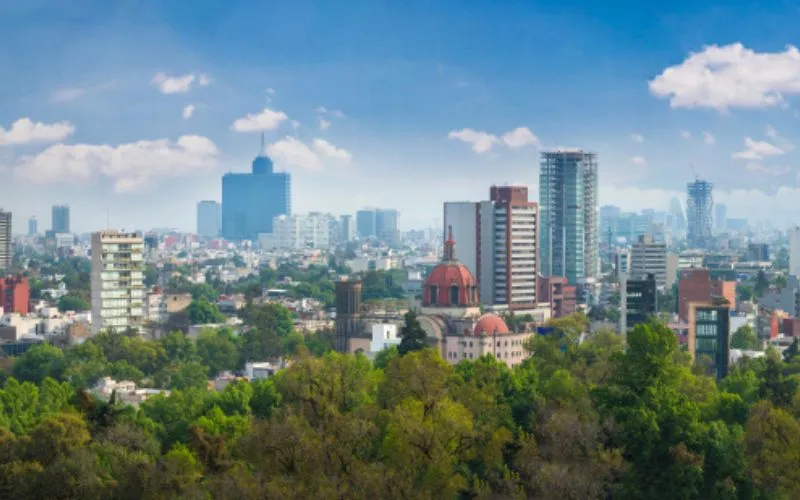
While Mexico is generally safe for tourists, there are still some destinations where criminal activity is a significant issue. For example, due to increased violent crime rates, Tijuana and Los Cabos have made headlines recently. Therefore, visitors should exercise extreme caution when traveling to these areas, even if they are only passing through on their way to other destinations.
Regarding Tijuana, petty theft is the most common problem tourists face. Pickpocketing, purse snatching, and car break-ins are common crimes in this urban hub. Tourists should avoid taking public transport or taxis without visible signs of identification, as they’re often unregulated and pose greater risks.
Los Cabos is another location worth discussing. Once deemed one of Mexico’s safest tourist destinations, Los Cabos has recently been plagued by drug cartel violence, often outside tourist hotspots. However, visitors should still exercise caution, especially when traveling outside their resorts or where tourists usually congregate.
A colleague shared her experience after getting robbed at knifepoint during a taxi ride in Tijuana. A band of robbers had set up a fake checkpoint on the road and stopped her cab. Her belongings, including her passport, were taken. This exemplifies the importance of sticking with regulated transportation services or researching recommended ones before embarking on any journey.
It’s essential to note that not all areas of popular destinations like Tijuana and Los Cabos are considered high-crime zones. As a result, tourists can still enjoy a variety of safe attractions. Still, they should avoid isolated, poorly lit areas and poorly monitored streets, especially when traveling after dark.
One might argue that it is the government’s job to ensure that popular tourist destinations like Tijuana and Los Cabos remain safe for visitors. While this is correct, it’s important to remember that crime can occur anywhere.
Tijuana and Los Cabos
Regarding travel destinations in Mexico, Tijuana and Los Cabos are two popular cities that have been notorious for crime in recent years. However, the situation is not always as dire as it seems. Tourists can still enjoy a safe and enjoyable vacation in these areas if they take the right precautions.
In Tijuana, petty theft is more common than violent crimes against tourists. However, pickpocketing and bag-snatching can occur in tourist areas or on public transportation, so it is essential to be aware of your surroundings and keep your valuables secure.
While drug cartel activity has existed in Tijuana, there has been progress in reducing the influence of organized crime in the city. The local government has implemented measures, including increased police presence and stricter regulation of bars and nightclubs, to enhance safety for visitors.
Moving on to Los Cabos, this popular beach destination has also experienced an increase in violence in recent years.
In 2017, there were over 200 homicides reported in Los Cabos. Most of these incidents occurred outside tourist areas and involved drug cartel activity. Therefore, it’s essential to avoid known drug trafficking locations and stay in well-lit, populated areas when exploring the area outside resorts.
Despite high crime levels in Los Cabos, tourism remains a significant industry for the city’s economy. In addition, law enforcement has promised to crack down on drug-related violence. As a result, Resorts have implemented additional security measures to ensure the safety of their guests.
Next, let’s take a closer look at Acapulco and Ixtapa-Zihuatanejo.
Acapulco and Ixtapa-Zihuatanejo
Acapulco and Ixtapa-Zihuatanejo are two popular Pacific Ocean beach destinations that have fallen out of favor due to high levels of crime and violence in recent years. However, it’s essential to recognize that the situation is not always as dire as it appears.
In Acapulco, violent crime such as kidnapping and robbery is more common than in other tourist areas. In addition, the city has been known for gang activity linked to organized crime, with incidents occurring on beaches and in hotel zones. Therefore, it is essential to stick to well-lit, populated areas when venturing outside of resorts or tourist spots.
Despite high crime levels in Acapulco, many travelers still visit the area for its stunning beaches, vibrant nightlife, and rich history. The local government has attempted to address concerns by increasing law enforcement presence in tourist areas and establishing a tourism police force.
Moving on to Ixtapa-Zihuatanejo, this once-peaceful beach destination has also witnessed increased violence in recent years.
To address safety concerns, the local government has established a dedicated police force for tourists, providing assistance and protection against theft and scams. Hotel chains have also implemented security cameras and enhanced verification procedures for guests’ identities upon check-in.
High-Crime Urban Areas

Mexico has become increasingly dangerous for tourists and locals due to the rising crime rates, particularly in urban areas. One of the most high-risk places is Mexico City, notorious for its high crime rate, including armed robberies, carjackings, and kidnappings. Ecatepec, one of the largest cities in the country, has also been plagued by rampant violence and crime in recent years. Here’s what you need to know before visiting these areas.
Mexico City is a sprawling metropolis that attracts millions of visitors yearly with its rich cultural heritage and vibrant nightlife. However, it’s also one of the most dangerous places in Mexico. Pickpocketing is prevalent in crowded areas, such as public transport hubs and tourist hotspots like Zócalo and Chapultepec. Mugging incidents are also common in areas such as La Roma and La Condesa.
According to government statistics, there were more than 31 thousand homicides reported across Mexico during 2020, making it the deadliest year on record. Most of these cases occurred in urban areas, such as Mexico City and Ecatepec.
Some experts argue that poverty and inequality are the root causes behind increased crime rates nationwide. Others blame corrupt politicians and police officers who are known to work hand-in-hand with drug cartels or fail to implement effective measures to combat organized crime.
Visiting Mexico City without being aware of the risks is akin to jumping into a pool without knowing its depth but with violent currents.
Mexico City and Ecatepec
Despite their reputations for being dangerous places, Mexico City and Ecatepec offer visitors a rich cultural experience with plenty to see and do. However, anyone planning a trip to these cities should be aware of the risks and take precautions to ensure their safety.
In Mexico City, it is best to stick to well-lit areas and avoid venturing alone at night. If you’re traveling by taxi or Uber, ensure the vehicle is licensed, and always share your location with a friend or family member for added security. You should also be extra cautious when withdrawing cash from ATMs and avoid flaunting any expensive items in public.
However, some believe that avoiding these cities entirely may deprive one of an unforgettable experience, such as exploring ancient ruins like Teotihuacan or admiring the beautiful deco architecture of buildings like Palacio de Bellas Artes.
Now that we’ve discussed high-crime urban areas such as Mexico City and Ecatepec, let’s explore essential safety tips for tourists visiting Mexico.
Staying Safe in Mexico
Taking the necessary safety measures is crucial for planning a trip to Mexico. You can have a safe and enjoyable vacation by being aware of the risks and making informed decisions. It is important to remember that no country in the world is completely crime-free, and Mexico is no exception. However, with some precautions, you can enjoy your time in this beautiful country without compromising your safety.
Planning and being aware of your surroundings is best when traveling to Mexico. Try not to walk alone after dark, avoid isolated areas, and do not leave your valuables unattended. Keep important documents, such as passports and visas, in a safe or secure location within the hotel, rather than carrying them around.
Additionally, it is a good idea to research the area you will be visiting before you go. For example, look up crime statistics and read reports about recent incidents. You can also speak with locals or other travelers to gain their insights on the area’s safety.
While some parts of Mexico are more dangerous than others, it is important to note that crime can happen anywhere. Even well-known tourist destinations are not immune to corruption.
With these considerations in mind, here are some essential safety tips for tourists visiting Mexico:
Important Safety Tips for Tourists
- Be cautious when using ATMs: Tourists are often targeted when withdrawing money from ATMs and exchanging currency at booths. Only use ATMs inside banks as they usually have better security personnel and surveillance systems. Avoid using ATMs on the streets or in shopping centers.
- Keep emergency numbers readily available: In the event of an emergency, it is crucial to have the local police and ambulance numbers readily accessible. You can save them in your phone contacts or carry them on paper in your wallet.
- Learn basic Spanish: Knowing some basic Spanish phrases can come in handy if you need to ask for help or directions. This will also make it easier to communicate with locals and make them feel more comfortable helping you.
- Stay in reputable accommodations: Choose your accommodation carefully while traveling, as many incidents occur within hotels and resorts. Opt for highly rated and reputable accommodations, preferably with security guards and surveillance systems.
- Make copies of important documents: Create multiple copies of essential documents, including passports, visas, flight tickets, and other travel documents. Leave one copy with someone you trust at home, and always carry another.
- Beware of alcohol consumption: Many tourists get into trouble after consuming excessive alcohol. Avoid drinking too much while traveling alone or with strangers; never leave your drink unattended.
- Dress conservatively: Mexico is predominantly a Catholic country where the culture emphasizes modesty in dressing. Therefore, avoid attracting unwanted attention by wearing revealing clothing or flashing expensive jewelry.