
Mexican Jalisco Tequila | Premium Spirits from Mexico
You’ve probably heard of tequila, but have you ever wondered what makes Jalisco’s version so special? This celebrated spirit, primarily crafted from the blue Weber agave, boasts a rich heritage dating back to the 16th century. It’s not just about a drink; it’s a symbol of Mexican culture and tradition. Curious about the intricate process and the vibrant festivals that honor it? There’s much more to discover about Jalisco’s treasured tequila.
Key Takeaways
- Tequila is legally protected and primarily produced in Jalisco, Mexico.
- Jalisco is home to renowned tequila brands like Casamigos, 1800, and Cabo Wabo.
- Tequila production in Jalisco uses 100% blue Weber agave.
- The Tequila Route in Jalisco offers distillery tours and cultural experiences.
- UNESCO recognizes Jalisco’s agave fields and tequila production as a World Heritage Site.
History of Tequila Production in Jalisco

Although tequila is a globally recognized spirit today, its roots run deep in the history of Jalisco. You might be fascinated to learn that tequila’s production began in the 16th century when Spanish settlers introduced distillation techniques. They transformed the indigenous fermented agave beverages into what we now cherish as tequila.
Officially recognized in 1873, the name “Tequila” set it apart from other mezcal varieties, establishing specific standards for its production and distillation. Jalisco, the birthplace of tequila, is protected by Mexican law, ensuring production remains within its region and parts of Michoacán, Nayarit, Guanajuato, and Tamaulipas.
In 2006, UNESCO designated the town of Tequila and its surrounding agave fields as a UNESCO World Heritage Site, underscoring the region’s rich cultural heritage.
Key Features of the Tequila-Making Process
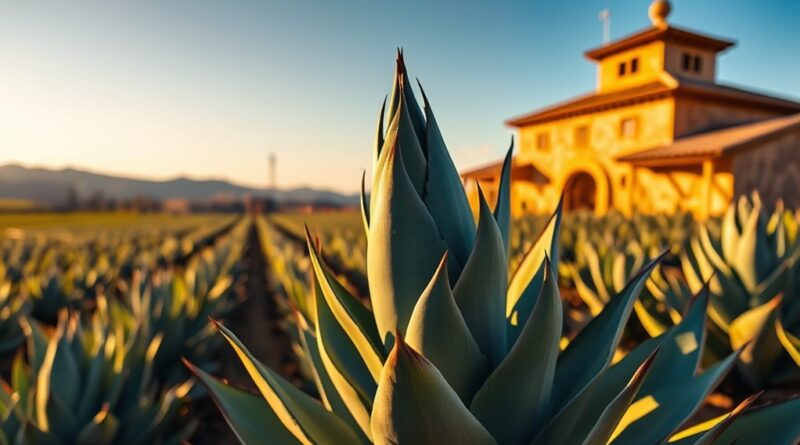
When it comes to crafting tequila, the journey begins with the blue agave plant, specifically the Weber blue agave.
Harvested at peak maturity, this plant’s heart, or piña, is roasted to transform its starches into fermentable sugars. After roasting, you crush the agave to extract the sweet juice, which is essential for fermentation.
Whether using natural or cultivated yeast, the fermentation process leads to alcohol production. You then distill this liquid in copper stills or stainless steel stills to achieve the desired purity, often distilling twice.
Tequila can be aged in American oak barrels or French oak, where it develops unique flavors and character over time, from just a couple of months to three years.
Each step guarantees the tequila’s signature taste.
The Role of Tequila in Mexican Culture

Crafting tequila is a meticulous process that celebrates tradition and skill, but the spirit’s significance extends far beyond the production line.
In Jalisco, tequila is a cornerstone of Mexican culture, revered for its craftsmanship and unique production methods, which utilize 100% Blue Weber agave. The town of Tequila and its agave fields are a UNESCO World Heritage Site, highlighting their cultural importance.
Celebrated annually, the National Tequila Fair in Jalisco showcases traditional music, parades, and rodeos, highlighting the cultural significance and role of tequila in community festivities.
The Tequila Route connects you with distilleries, local traditions, and archaeological sites, promoting cultural appreciation and tourism.
Tequila isn’t just a drink; it’s a symbol of Mexican pride and identity.
Exploring the Tequila Route and Attractions
While beginning the Tequila Route, you’ll discover the vibrant heart of the Jalisco region, where the essence of tequila production comes to life. Tourism flourishes here, with guided tours through distilleries and agave fields. You can savor tastings and learn the intricate tequila-making process. The Mexican National Tequila Fair, celebrated annually, invites you to enjoy parades, rodeos, and traditional music, highlighting the area’s rich heritage.
The Tequila Express offers:
| Activity | Experience | Highlights |
|---|---|---|
| Distillery Tours | Guided tours | Tastings, tequila process |
| Cultural Attractions | World Heritage Sites | Historical distilleries |
| Agave Fields | Tequila Express train | Mariachi music, scenery |
These cultural attractions showcase Jalisco’s global recognition and the timeless tradition of tequila.
Popular Tequila Brands and Varieties From Jalisco

Tequila aficionados recognize Jalisco as the heart of tequila production, where some of the most esteemed brands, such as Casamigos, 1800, and Cabo Wabo, originate.
These premium spirits are crafted from 100% blue Weber Agave, ensuring authenticity and rich agave flavor.
Here’s what you need to know about these iconic brands:
- Casamigos: Co-founded by George Clooney, offers Blanco, Reposado, and Añejo, each with its unique flavor profile.
- 1800 Tequila: Known for its Blanco and Añejo Cristalino, which are aged in French and American oak barrels.
- Cabo Wabo: Famous for its Blanco, with aromas of salty brine and green peppercorn.
- Jalisco’s Role: The region’s strict regulations ensure the preservation of traditional methods and quality.
Enjoy exploring Jalisco’s tequila treasures!
Conclusion
You’ve explored the rich history and intricate craftsmanship behind Jalisco’s tequila, gaining insight into its cultural significance and timeless appeal. By delving into the traditional production methods, you’ve seen how these techniques shape tequila’s distinct flavors. As you journey along the Tequila Route, you’re invited to experience the vibrant festivals and attractions that celebrate this iconic spirit. With a taste of popular brands and varieties, you can truly appreciate tequila’s enduring legacy in Mexican culture.
FAQs
1. How Is Tequila Different From Mezcal?
You’ll notice that tequila is primarily distilled from blue agave, while mezcal is distilled from various types of agave. Tequila’s production involves steaming the agave, whereas mezcal is traditionally smoked, giving it a distinct, smoky flavor. Enjoy exploring both!
2. What Are the Health Benefits of Drinking Tequila?
You might be surprised to learn that tequila can support digestion and improve bone health. It contains probiotics and aids in calcium absorption. But remember, moderation’s key, so don’t overdo it when enjoying your tequila.
3. Can Tequila Be Aged in Barrels Other Than Oak?
Yes, you can age tequila in barrels other than oak. While oak is traditional, experimenting with different woods, such as cherry or acacia, can enhance flavors. Always consider how the barrel’s characteristics will impact your tequila’s taste.
4. How Should Tequila Be Stored After Opening?
After opening tequila, you should store it in a cool, dark place with the cap tightly sealed. This prevents oxidation and preserves flavor. Don’t refrigerate it as it can alter the taste and aroma over time.
5. Are There Any Tequila-Based Cocktails Popular in Jalisco?
You’ll find tequila-based cocktails, such as the Paloma and the Margarita, incredibly popular. Locals love blending tequila with fresh citrus and soda for a revitalizing drink. Try experimenting with these classics to discover your favorite twist!