
Differences Between Christmas in America and Mexico
When you think about Christmas, you might picture snowy landscapes and twinkling lights, but not every celebration fits this mold. In America, Christmas is often marked by a single day of festivities on December 25, filled with gift-giving and elaborate decorations. However, the Christmas season in Mexico stretches from December 12 to January 6, brimming with unique traditions like Las Posadas and Día de los Reyes. This extended celebration offers a different perspective on what Christmas can be. Have you ever wondered how these cultural nuances shape how people experience the holiday season?
Key Takeaways
- Mexican Christmas celebrations last longer, from December 12 to January 6, while American festivities are concentrated around December 25.
- Gift-giving in Mexico occurs on January 6, while in America, it happens on December 25.
- Mexican decorations focus on nativity scenes, while American decor often features Santa and winter themes.
- Nochebuena, December 24, is more significant in Mexico compared to December 25 in America.
- Mexican Christmas foods include tamales and pozole, contrasting with American meals of turkey and pumpkin pie.
Duration of Celebrations
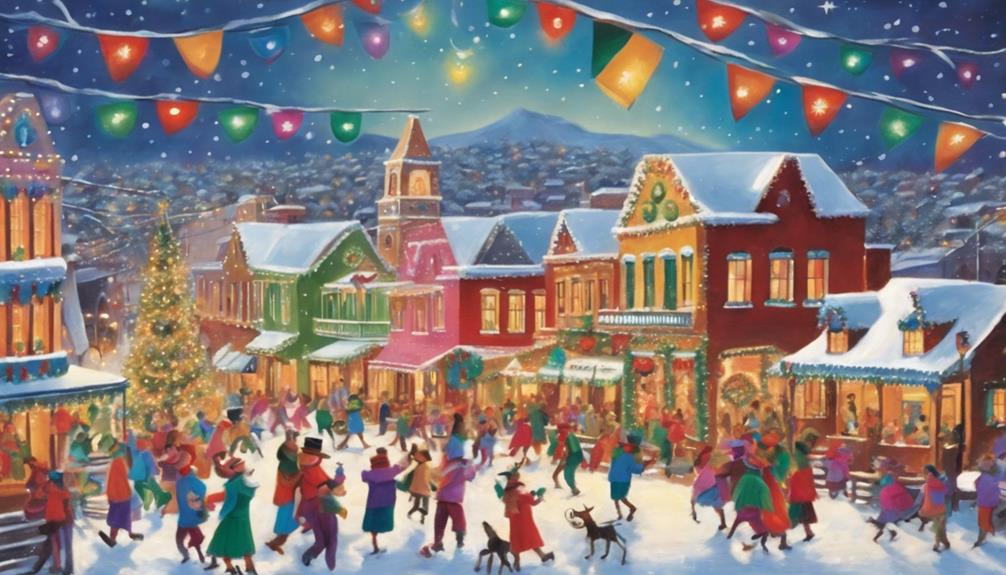
There’s a notable difference between Mexico and America regarding the duration of Christmas celebrations.
In Mexico, the Christmas season is a 53-day affair, stretching from December 12 to January 6, famously known as the Guadalupe-Reyes Marathon. This extended period allows you to immerse yourself in vibrant and unique festivities beyond what you might experience in America.
In America, the focus is primarily on December 25, with celebrations concentrated around this date. While you might enjoy the buildup leading to Christmas Day, the festivities tend to taper off soon after.
In contrast, Mexican traditions emphasize a longer festive period starting December 16, with Las Posadas culminating in the Three Kings’ arrival on January 6. This day, Día de los Reyes, marks the end of the Christmas season, adding a layer of celebration you won’t find in typical American Christmas traditions.
Gift-Giving Traditions
As the festive season unfolds, another key aspect that distinguishes Christmas in America and Mexico is gift-giving traditions. In America, gifts are exchanged on Christmas Day, focusing on material presents like toys, gadgets, or clothing. This tradition is central to the American Christmas experience, often featuring brightly wrapped packages under a sparkling tree. The joy of giving and receiving is emphasized, highlighting the spirit of generosity.
In contrast, during a Mexican Christmas, gift-giving occurs on January 6, known as Three Kings’ Day. This day commemorates the visit of the Magi to the infant Jesus. Gifts in Mexico often include a thoughtful mix of practical and symbolic items. These can range from small toys for children to useful household items, reflecting a different approach to sharing joy.
Despite these differences, both cultures cherish the connections strengthened by gift exchanges. Whether it’s the anticipation of Christmas morning in America or the excitement of Three Kings’ Day in Mexico, the bond between family and friends shines through.
The spirit of generosity is a shared value celebrated through these distinct yet heartfelt gift-giving traditions.
December 25 is important to Christmas celebrations across America and Mexico. In America, Christmas Day is the main event. Families gather to exchange gifts and enjoy a festive meal together. It’s a time of joy and relaxation after the hustle and bustle of holiday preparations. Most businesses and schools are closed, fully immersing people in the holiday spirit.
Here’s a quick comparison:
- America: December 25 is the highlight, with gift exchanges and a festive meal.
- Mexico: December 24, Nochebuena holds more significance with family gatherings and feasting.
- Holiday Status: Both countries recognize December 25 as a holiday.
- Focus: America focuses on Christmas Day, while Mexico emphasizes Nochebuena.
Understanding these differences can enrich your appreciation of how diverse cultures celebrate the holiday season.
Decorations and Symbols
In both America and Mexico, Christmas decorations reflect the unique cultural elements of each country.
In Mexico, the nativity scene, known as “nacimiento,” is central to holiday decor. Extensive nativity scenes are found in many Mexican households, often becoming the focal point of Christmas decorations. They can be quite intricate, depicting various scenes from the nativity story and sometimes expanding to include entire villages.
In contrast, American decorations often feature themes like Winter Wonderland or Santa’s Workshop. Houses are adorned with twinkling lights, inflatable snowmen, and reindeer. While nativity scenes appear, they’re not as central to the decorations as in Mexico.
Mexican homes also commonly display poinsettias and candles as Christmas decor. These vibrant plants add a touch of traditional red to the celebration. Additionally, colorful paper decorations, known as “papel picado,” add a festive and personal touch to homes and public spaces alike.
While both countries embrace the spirit of the season through their decorations, Mexico’s emphasis on nativity scenes highlights a more religious symbolism, whereas American decorations often lean towards a more commercial and playful interpretation of the holiday.
Food and Festivities
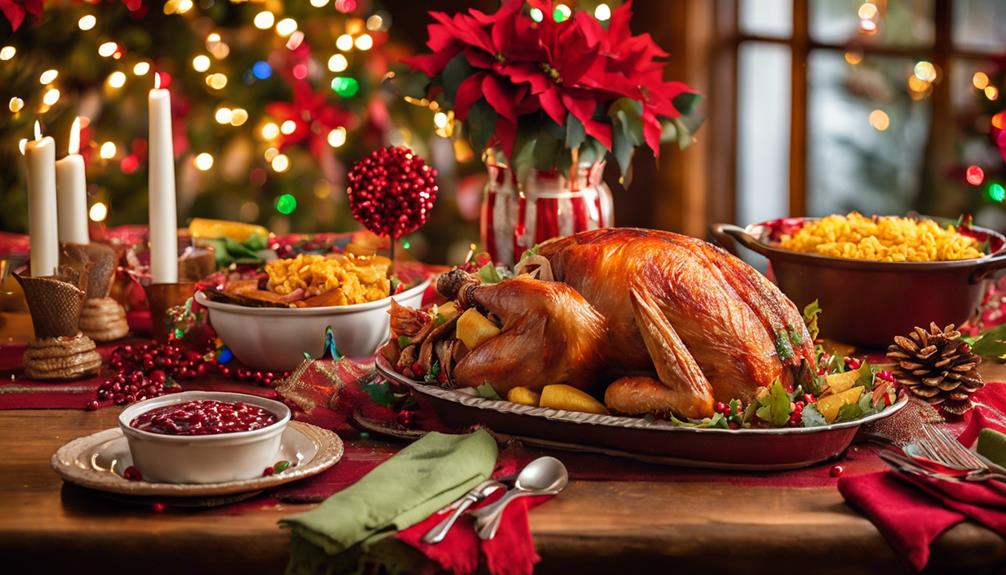
Christmas in Mexico and America comes alive through distinct culinary traditions and lively festivities. In Mexico, your taste buds will dance joyfully as you savor traditional dishes like tamales, pozole, and buñuelos. Mexican Christmas dinners start late and can stretch into the early hours, creating a festive, familial atmosphere.
In America, turkey, ham, mashed potatoes, and pumpkin pie are often found on the table, with meals starting earlier and wrapping up quickly.
Here’s a quick look at these festive differences:
- Mexican Parties: Enjoy Mexican hot chocolate, spiked punch, and the thrill of breaking piñatas.
- American Gatherings: Expect finger foods, smaller groups, and a laid-back vibe.
- Late Nights in Mexico: Parties and dinners that start late and last into the morning.
- Early Nights in America: Gatherings that start early and focus on the meal.
Mexican festivities include vibrant posadas, blending religious and celebratory elements, while American parties lean towards informal gatherings.
Decorations in Mexico often feature elaborate nativity scenes, while themes like Winter Wonderland or Santa’s Workshop are popular in America. Even after the holiday season, the joy of tamales can stretch into February, offering a taste of the Christmas spirit well beyond December.
Conclusion
In celebrating Christmas, you’ll find that America and Mexico offer vibrant, distinct experiences. In the U.S., you’ll be on December 25, exchanging gifts and enjoying festive decorations. Meanwhile, in Mexico, you’ll immerse yourself in an extended celebration from December 12 to January 6, highlighting events like Las Posadas and Día de los Reyes. While savoring diverse holiday foods, you’ll notice that both countries’ unique traditions create a rich tapestry of cultural significance and holiday cheer.
FAQs
1. How Is Christmas Celebrated in Mexico?
You celebrate Christmas in Mexico with traditional Posadas, reenacting Mary and Joseph’s journey. Enjoy festive piñata breaking, delicious tamales, and vibrant nativity scenes. Kids anticipate gifts from los Reyes Magos on January 6t6, which will extend the holiday joy.
2. How Is Christmas Celebrated in the US Compared to U.S. Hispanics?
US cultural traditions focus on feU.S.ive decorations like Winter Wonderland themes, whereas Hispanic cultures emphasize religious events. Americans exchange gifts on Christmas Day, while Hispanic cultures often prioritize Three Kings’ Day for gifting.
3. What Is the Difference Between La Navidad and Christmas?
You’re exploring the difference between La Navidad and Christmas. Embrace cultural traditions with religious significance in both. La Navidad highlights extended festivities and unique holiday foods, while Christmas emphasizes festive decorations and Santa’s visit on December 25.
4. Does the US Celebrate Christmas Differently?
You celebrate Christmas with unique holiday traditions like decorating trees, exchanging gifts, and enjoying festive meals. Cultural differences are evident in how you watch classic movies, listen to holiday music, and send countless Christmas cards.