

Mexican Christmas Traditions: Festive Customs and Culture
Christmas in Mexico is a vivid collage of cultural elements, gracefully blending age-old traditions with modern festivities.
These unique customs take root from the nation’s rich historical heritage, making Christmas more than just a holiday but a season-long celebration.
From the early days of December until January 6, known as Día de Reyes or Three Kings’ Day, one can experience a symphony of rituals, each carrying its distinctive flavor.
Imagine walking through festive streets adorned with Nativity scenes while experiencing this vibrant culture first-hand. Prepare to step into the world of Mexican Christmas traditions.
Mexican Christmas traditions are a vibrant blend of ancient customs and modern celebrations, featuring traditions such as Nacimientos (Nativity scenes) adorning homes, festive Posadas with piñata breaking and singing, midnight Mass on Noche Buena (Christmas Eve), and the sharing of the sweet bread Rosca de Reyes on “El Dia de Reyes.”
These traditions create a unique and joyous celebration filled with music, dance, and the rich cultural heritage of Mexico.
Overview of Mexican Christmas Traditions
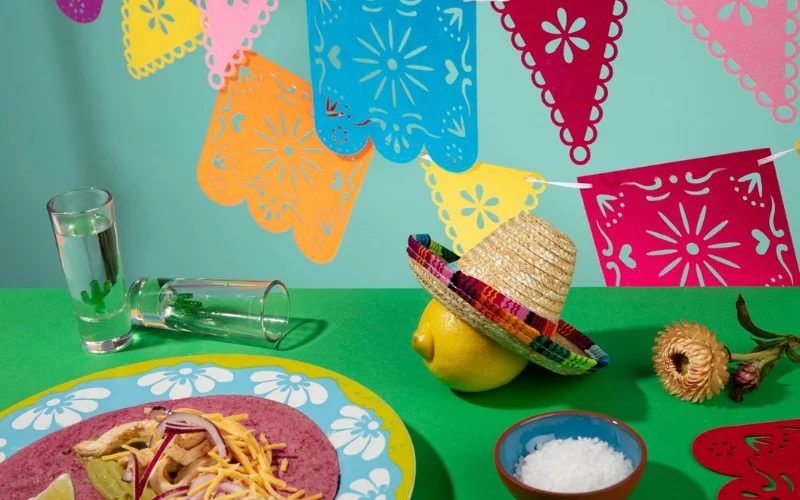
The Mexican Christmas season isn’t solely about December 25. It’s a month-long fiesta that kicks off with “Las Posadas,” a reenactment of Mary and Joseph’s quest for shelter in Bethlehem, which unfolds from December 16 to 24.
This tradition encompasses a community procession, typically led by children who knock on doors seeking shelter.
The procession is followed by prayer and celebration, during which participants break piñatas filled with fruits and candies—a beautiful way for communities to come together and share joy during the holiday season.
Additionally, Nacimientos are an integral part of Mexican Christmas celebrations. These Nativity scenes depict the birth of Jesus and are exquisitely crafted with figurines.
Families take pride in creating their nacimiento, often passing down this tradition through generations. The Nacimiento is typically displayed in homes and may even feature rivers and mountains made of colored sawdust.
While traditional Mexican carols, known as “Villancicos,” fill the air with joyous melodies during gatherings, posadas, and church celebrations, these songs carry deep cultural meanings. They enrich the holiday ambiance with stories of hope, faith, and Mexican heritage.
One popular carol is “Los Peces en el Río” (The Fish in the River), which tells the story of the fish drinking water as a metaphor for the purity of the Virgin Mary. These melodies aren’t just music; they’re living history.
These vibrant customs form just a part of the rich Christmas tapestry in Mexico, offering cultural insights and a deeper appreciation for the traditions that make this season truly magical.
As we immerse ourselves further into Mexican Christmas traditions, let’s explore an enchanting custom that brings the story of Christmas to life in every corner of Mexico.
Unfolding the Nativity

Nacimientos, the heart of Mexican Christmas décor, are more than just beautiful displays – they are artistic marvels that share a timeless story.
These Nativity scenes are carefully constructed tableaus depicting Jesus’s birth, featuring traditional figures, landscapes, and symbolic elements that come together in visually stunning displays.
Families across Mexico often take great pride in creating their own Nacimientos. It’s a tradition that encourages creativity and artistry, with many individuals crafting elaborate scenes that reflect their unique regional variations and artistic styles.
From the intricately designed nativity sets in Oaxaca to the more minimalistic representations found in northern Mexico, each Nacimiento tells its own story and celebrates the country’s diverse cultural heritage.
The significance of Nacimientos extends beyond their visual appeal. These artistic representations serve as a means of storytelling, allowing families to engage with and honor the sacred narrative of Christmas.
Setting up a Nacimiento is steeped in reverence and tradition, fostering a sense of connection with this festive season’s religious and cultural aspects.
In essence, Nacimientos encapsulates both artistry and spirituality, weaving together ancient customs and modern celebrations in a captivating display that resonates with families throughout Mexico.
Whether grand or modest, these Nativity scenes stand as a testament to the enduring richness of Mexican Christmas traditions.
The melodies of Mexican Christmas are more than just music; they reflect Mexico’s deep-rooted cultural heritage and festive spirit. Let’s immerse ourselves in the joyful tunes that fill the air during this vibrant holiday season.
Melodies of Mexican Christmas
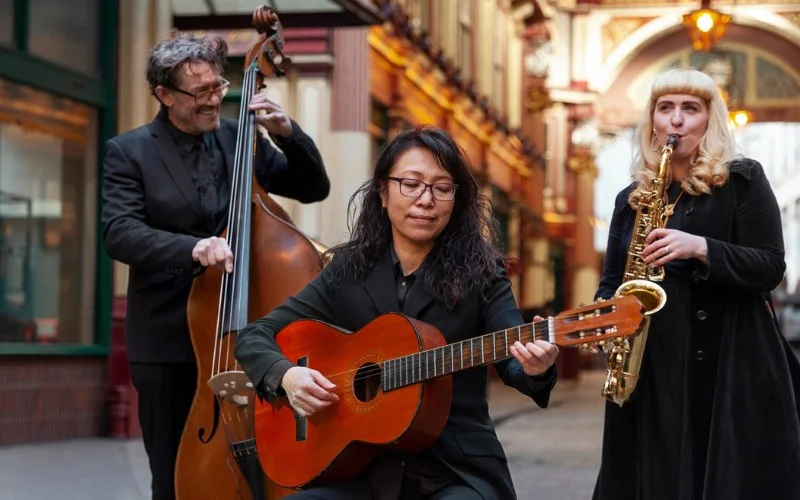
Imagine the sound of cheerful voices harmonizing in joyful celebration, filling the air with festive vibes and spreading warmth and happiness.
This is exactly what Villancicos encapsulate – traditional Christmas carols that are an integral part of Mexican Christmas festivities.
The melodic tunes and heartfelt lyrics unite people during community gatherings, posadas, and church celebrations, embodying the essence of communal unity and joyful exuberance.
The beauty of Villancicos lies not just in the music but also in the emotions they evoke. “Los Peces en el Río,” a beloved traditional Christmas song in Mexico, tells the story of fish in the river witnessing the birth of Jesus.
Its catchy tune and lively rhythm make it a staple during community gatherings where people joyfully join in singing and dancing to the musical beats.
Furthermore, “Mi Burrito Sabanero” is another cherished Villancico that captures the heart of Mexican Christmas with its sweet portrayal of a little donkey journeying to Bethlehem.
These captivating carols don’t just fill the air with beautiful melodies; they carry within them the rich cultural heritage and collective spirit of celebration that defines Mexican Christmas traditions.
Vibrant Performances
It’s not just about singing; these carols often come alive through vibrant performances. Communities gather for cheerful posadas, reenacting Joseph and Mary’s search for shelter, accompanied by lively music and dance. These celebrations showcase the infectious energy and euphoria that infuse Mexican Christmas traditions.
In churches, these soul-stirring carols echo through solemn halls, infusing each worshipper with warmth and spiritual reverence.
The profound cultural significance of Villancicos extends far beyond mere musical performances; it serves as a unifying thread that binds individuals together in celebratory harmony.
The captivating allure of traditional Mexican Christmas carols doesn’t just lie in their musical enchantment; it embodies a testimony to shared cultural values, fostering a sense of togetherness and cheer that define the essence of this festive season.
As we immerse ourselves in the vibrant world of Mexican Christmas customs, let’s journey into the delectable realm of traditional Mexican festive cuisine.
Flavours of Mexican Festive Foods
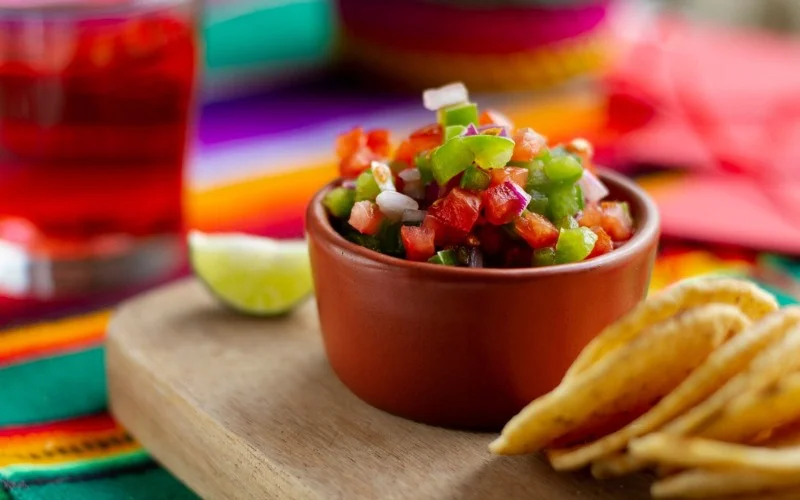
When it comes to Christmas in Mexico, the festive season is as much about the flavors as it is about the music and traditions. The culinary journey through Mexican Christmas starts with Comida de Navidad, which is Christmas food.
This is a special time when families come together to prepare and savor traditional dishes passed down through generations.
At the heart of Mexican Christmas cuisine are tamales, corn-based delicacies filled with meats, cheeses, or vegetables, each lovingly folded in corn husks and steamed to perfection.
Making tamales is a ritual for storytelling and sharing memories while creating these delectable treats. With more than 200 types of tamales traditionally made during Christmas, each region has its special version, creating a colorful tapestry of flavors.
Similarly, no Mexican Christmas feast would be complete without warm drinks like ponche and atole. Ponche is a spiced fruit punch that warms both body and soul, bringing people together in celebration.
Atole, a creamy hot beverage made from masa (corn dough) or rice flour, is another cherished drink that symbolizes comfort and coziness during the chilly winter days.
It’s important to note that Mexican Christmas food isn’t just about the ingredients—it’s about coming together as a community, sharing stories, laughter, and love while preparing these time-honored dishes.
Through the joy of cooking and eating together, these culinary traditions carry forward the warmth of togetherness during the holiday season. These festive flavors connect profound cultural significance with the pleasure of good food shared with loved ones.
As we savor the vibrant tapestry of flavors that symbolize Mexican Christmas, let’s explore how these traditions manifest in the captivating artistry of Mexican holiday décor.
Art of Mexican Holiday Decor

When celebrating Christmas in Mexico, the decorations are as important as the food. Picture walking through vibrant, bustling markets adorned with handcrafted ornaments and vibrant poinsettias, capturing the attention of passersby with their mesmerizing beauty.
The colors used in Mexican holiday decorations are far from shy—bold reds, greens, and whites dominate the scene. These hues reflect the vivid festivities and the country’s rich cultural heritage. Papel picado, or intricate paper cutouts, significantly add depth to these colorful displays.
The delicate paper designs beautify spaces and symbolize the interweaving of life and death, a concept deeply rooted in Mexican traditions and beliefs.
In Mexico, every decoration holds a story. The handcrafted ornaments often represent traditional symbols like angels, stars, and nativity scenes.
Many families showcase Nacimientos (Nativity scenes) depicting Christ’s birth, adorned with clay figurines and featuring elaborate landscapes. Additionally, colorful piñatas swinging from ceilings add an element of cheerful anticipation to every celebration.
For those celebrating Christmas in Mexico, it’s not just about buying pre-made decorations; it’s about creating your own, too.
Families engage in the art of crafting their decorations, passing down generational knowledge while infusing personal touches into each piece. This tradition strengthens family bonds and preserves cherished customs throughout the years.
Mexican Christmas celebrations are only complete with the Boulevard of Light during December. These dazzling displays unite communities in joyous revelry, from colorful lights adorning streets to illuminated trees adorned with festive decorations.
In Mexico, every carefully curated ornament and vibrant decoration tells a story, weaving a tapestry that celebrates this enchanting country’s artistic legacy and multi-faceted cultural heritage during the holiday season.
As we embark on our journey through Mexican Christmas traditions, let’s delve into the enthralling world of Christmas parties—a vibrant tapestry woven with piñatas, music, and delectable treats.
Christmas Parties: Piñatas and More

Mexican Christmas is more than just a holiday; it’s a month-long extravaganza filled with vibrant traditions and joyful celebrations. At the center of these festivities are the lively and colorful Posadas.
These events are deeply ingrained in Mexican Christmas customs, symbolizing the journey of Mary and Joseph seeking shelter in Bethlehem.
Typically held over nine nights leading up to Christmas Eve, friends, families, and neighbors come together for singing, piñata breaking, and joyful treats, fostering a sense of belonging and shared celebration during the Christmas season in Mexico.
Festive Atmosphere
Traditional Mexican music and dance add to the lively atmosphere, with every gathering an opportunity for the community to unite and rejoice. The spirited singing of traditional Christmas carols, villancicos, fills the air with joyous melodies that elevate the celebratory mood.
During my visit to Mexico during Christmas, I joined a Posada celebration. As we sang carols and participated in breaking the piñata, I felt the contagious festive spirit that brought everyone together.
Solidarity and Togetherness Posadas aren’t just about personal enjoyment but exemplify solidarity and shared compassion.
As friends and family members join together in song and celebration, they commemorate the biblical journey and emphasize unity and support for one another. This communal tradition underscores the importance of togetherness and generosity during the holiday season.
Piñatas: Symbolizing Triumph and Generosity
The breaking of piñatas holds significant symbolism. These vibrant, beautifully decorated paper-mâché figures filled with candies, fruits, and nuts represent virtues such as triumph over temptation and generosity.
The blindfolded participants taking turns to strike the piñata represent faith in overcoming obstacles, teaching patience, resilience, and perseverance.
FOLLOW-UP: The cascade of treats unleashed from the broken piñata further emphasizes abundance and sharing while reinforcing the message of kindness and consideration for others. It’s not just about gathering candy; it’s about understanding the value of generosity and community spirit.
Piñata Diversity Piñatas come in various shapes, often representing animals or characters from Mexican folklore or popular culture.
Each piñata is significant, adding a touch of individuality to this cherished practice. The diverse designs illustrate creativity and fun while preserving meaningful traditions.
In conclusion, Mexican Christmas isn’t simply about passing the time and celebrating cultural heritage through joyous customs like those in Posadas. It’s a time-honored reminder to cherish unity, compassion, and resilience—deeply rooted in Mexican culture.
To delve deeper into Mexican cultural traditions during Christmas, check out our category on Mexican Food for more fascinating insights.
Supporting Article
Differences Between Christmas in America and Mexico